
Title: The Pinnacle of Aggregate Production: A Comprehensive Analysis of the Luxury 250-300 TPH Stone Crushing Plant by ODM Manufacturers
Introduction
In the realm of mineral processing and construction aggregates, the pursuit of efficiency, durability, and precision is paramount. As global infrastructure demands evolve, the need for high-capacity, reliable crushing solutions has never been greater. Among the upper echelons of industrial machinery, the Luxury 250-300 TPH (Tons Per Hour) Stone Crushing Plant stands as a testament to engineering excellence. When sourced from an ODM (Original Design Manufacturer) , this machinery represents more than just a purchase; it signifies a partnership in bespoke industrial innovation. This article provides a detailed, professional, and objective analysis of the 250-300 TPH crushing plant, exploring its technical specifications, the advantages of the ODM model, and the defining characteristics that classify it as a “luxury” asset in the heavy machinery sector.
Defining the 250-300 TPH Capacity
The 250-300 TPH range is a critical sweet spot in the aggregates industry. It is substantial enough to support large-scale commercial quarrying operations and major infrastructure projects—such as highway construction, high-speed rail ballast production, and large-scale concrete batching—yet flexible enough to be deployed in medium-to-large mining ventures.
A plant of this caliber is not a single machine but a complex, integrated system. Typically, a 250-300 TPH configuration includes:
The “Luxury” Distinction in Stone Crushing
The term “luxury” in the context of industrial machinery does not refer to aesthetic embellishments. Instead, it denotes a tier of engineering that prioritizes longevity, minimal downtime, safety, and environmental sustainability. A luxury 250-300 TPH plant distinguishes itself through several key attributes: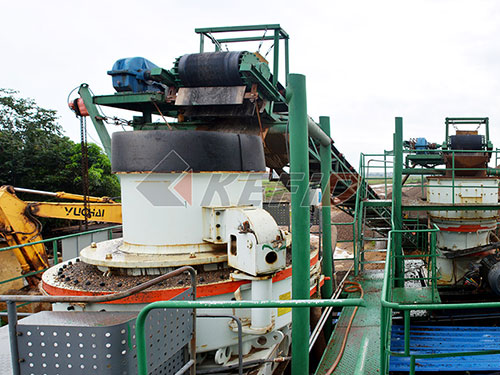
1. Superior Material Science:
Standard crushers may use high-manganese steel for wear parts. A luxury ODM plant utilizes advanced composite alloys, ceramic inserts, or high-chrome martensitic steel. This extends the lifespan of jaw plates, blow bars, and cone liners by 30-50%, significantly reducing the total cost of ownership over the plant’s lifecycle.
2. Intelligent Automation:
Luxury plants feature advanced automation systems. These systems monitor bearing temperatures, oil pressure, and vibration frequencies in real-time. If a parameter deviates from the norm, the system can auto-adjust the feed rate or shut down the specific component to prevent catastrophic failure. Furthermore, remote monitoring capabilities via IoT (Internet of Things) allow operators to diagnose issues from a central control room miles away.
3. Modular and Robust Construction:
The structural integrity of the chassis and frame is crucial for a 300 TPH operation, which generates immense vibration and stress. Luxury manufacturers employ heavy-duty, stress-relieved steel frames and modular designs. This modularity not only ensures stability but also facilitates easier transportation and on-site assembly, a critical factor for projects with tight timelines.
4. Energy Efficiency and Environmental Compliance:
Modern luxury plants are designed with “green” mandates. This includes low-noise operation, dust suppression systems (water sprayers or baghouse filters), and high-efficiency motors that reduce power consumption per ton of produced aggregate. An ODM manufacturer can tailor these environmental controls to meet stringent local regulations in North America, Europe, or Australia.
The Strategic Advantage of the ODM Manufacturer
The acronym ODM stands for Original Design Manufacturer. Unlike OEMs (Original Equipment Manufacturers) who strictly build to a client’s provided specifications, or generic suppliers who sell standard catalog items, an ODM manufacturer offers a unique value proposition: they design and manufacture the product based on their own R&D, but allow for deep customization to meet the buyer’s specific needs.
For a 250-300 TPH stone crushing plant, partnering with an ODM manufacturer offers distinct advantages:
1. Tailored Solutions for Specific Geology:
Rock is not uniform. A plant designed for limestone will struggle with granite or basalt. An ODM manufacturer analyzes the client’s rock samples (compressive strength, abrasiveness, moisture content) and engineers the crusher’s chamber geometry, speed, and power accordingly. This bespoke approach ensures optimal reduction ratios and particle shape, which is crucial for high-value aggregate sales.
2. Cost-Effective Customization:
Because the ODM owns the design intellectual property, they can modify the plant layout, component brands (e.g., using Siemens motors vs. ABB), and control systems without the prohibitive costs associated with redesigning a standard OEM unit. This allows the buyer to get a “luxury” specification at a more competitive price point than a traditional Tier-1 OEM.
3. Integrated Design and Manufacturing:
ODM manufacturers often control the entire production chain, from casting and machining to assembly and testing. This vertical integration ensures quality control at every stage. When a client orders a 300 TPH plant, they are not just buying parts; they are buying a pre-tested, harmonized system where the feeder speed matches the crusher throughput, and the conveyors match the screen capacity.
4. Agility and Innovation:
ODM manufacturers are often more agile than massive conglomerates. They can implement the latest innovations—such as hydraulic adjustment systems for CSS (Closed Side Setting) or advanced liner profiles—more quickly. For a client looking to process a particularly difficult material or achieve a specific flakiness index, the ODM’s engineering team acts as a dedicated R&D department.
Technical Deep Dive: Components of a 300 TPH Luxury Plant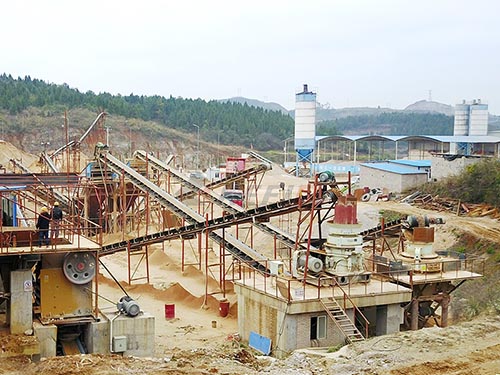
To understand the value of this machinery, one must examine its core components.
The Primary Jaw Crusher:
In a 300 TPH luxury setup, the primary crusher is typically a single-toggle jaw crusher. The “luxury” aspect here is the use of a hydraulic wedge adjustment system instead of shims. This allows the operator to change the output size of the primary crusher in minutes, rather than hours, optimizing the load on the secondary crusher. The toggle plate is designed as a safety fuse; if an uncrushable object enters the chamber, the plate breaks, saving the eccentric shaft. ODM manufacturers often use forged, heat-treated eccentric shafts for maximum fatigue resistance.
The Secondary Cone Crusher:
For hard rock applications, a multi-cylinder hydraulic cone crusher is the centerpiece. Luxury models feature “laminated crushing” principles, which not only reduce wear but also produce a more cubicle product shape, which commands a higher market price. The hydraulic system allows for automatic tramp iron release and easy cavity clearing. The liners are often designed with an ODM’s proprietary alloy, offering a balance between wear life and cost.
Screening and Conveying:
A 300 TPH plant requires a heavy-duty vibrating screen, often a triple-deck or quad-deck model. Luxury screens use side plates that are laser-cut and stress-relieved, and they employ high-quality bearings (e.g., SKF or Timken) to handle the continuous high-speed rotation. The conveyors are equipped with heavy-duty idlers and belts that resist impact and abrasion. The ODM might design a specific chute angle to prevent material buildup, a common cause of downtime in lesser plants.
Control and Automation:
The control panel of a luxury plant is a sight to behold. It features a touch-screen interface with a visual representation of the entire flow. The ODM can program the PLC to start the plant in a specific sequence (e.g., start the last conveyor first to prevent blockages) and shut it down in reverse. This “intelligent” operation reduces the risk of human error, which is a leading cause of equipment damage.
Economic Justification and ROI
Investing in a luxury 250-300 TPH plant from an ODM manufacturer requires a significant capital outlay. However, the Return on Investment (ROI) is driven by several factors:
Challenges and Considerations
While the benefits are clear, procuring a luxury 250-300 TPH plant from an ODM requires careful consideration:
Conclusion
The Luxury 250-300 TPH Stone Crushing Plant ODM Manufacturer represents the convergence of heavy industrial power and precision engineering. It is a solution designed for operators who view their machinery not as a cost center, but as a strategic asset. By leveraging the ODM model, buyers gain access to a level of customization and design expertise that ensures the plant is perfectly matched to the geological and commercial realities of their project.
In an industry defined by margins, the luxury ODM plant offers a pathway to higher productivity, lower operational costs, and superior product quality. It is an investment in reliability and efficiency, engineered to withstand the rigors of the most demanding quarrying environments. For those looking to establish a dominant presence in the aggregates market, the 250-300 TPH luxury plant is not merely an option; it is the standard by which others are measured.
If you have any questions about our products, please feel free to contact us. We take all inquiries and suggestions very seriously.