
Iron Ore Crushing Plant Exporter Brochure: Comprehensive Technical Overview and Global Supply Capabilities
Introduction
The global iron and steel industry forms the backbone of modern infrastructure, manufacturing, and economic development. At the heart of this industry lies the efficient extraction and processing of iron ore, the primary raw material for steel production. The journey from raw, extracted ore to a high-grade, marketable product begins with a critical stage: crushing. An iron ore crushing plant is not merely a collection of machinery; it is a sophisticated, integrated system designed to reduce large, run-of-mine (ROM) iron ore into smaller, uniform fragments suitable for further beneficiation, grinding, or direct shipping.
As a premier exporter of heavy industrial processing solutions, our company specializes in the design, manufacture, and supply of turnkey iron ore crushing plants tailored to the unique geological, logistical, and operational demands of mining operations worldwide. This brochure serves as a detailed technical dossier, outlining the core components, operational principles, customization options, and the distinct advantages of partnering with a global leader in mineral processing exports.
1. The Critical Role of Primary, Secondary, and Tertiary Crushing
An efficient iron ore crushing plant operates on a multi-stage reduction principle. The ore’s hardness, abrasiveness, and moisture content dictate the specific configuration. Our standard design philosophy incorporates three distinct stages, each optimized for a specific reduction ratio and particle size distribution.
1.1 Primary Crushing (Jaw Crushers & Gyratory Crushers)
The first stage receives ROM ore, which can contain boulders exceeding 1.5 meters in diameter. The primary crusher must withstand immense impact forces and high throughput. We typically deploy heavy-duty jaw crushers for medium to large capacity plants (500–2,000 TPH) or gyratory crushers for ultra-high capacity installations (3,000+ TPH). These machines reduce ore to a manageable size of 150–300 mm. Key design features include:
1.2 Secondary Crushing (Cone Crushers)
The secondary stage receives the primary product and reduces it further to a range of 40–100 mm. Cone crushers are the industry standard for this application due to their ability to handle abrasive, hard rock. Our cone crushers feature:
1.3 Tertiary & Quaternary Crushing (High-Speed Cone Crushers & Vertical Shaft Impactors)
For final product sizing (typically 0–20 mm for pellet feed or 10–40 mm for lump ore), tertiary crushers are employed. We offer two primary options:
2. Integrated Plant Components and Auxiliary Systems
A successful crushing plant is more than crushers. It is a synchronized network of feeders, screens, conveyors, and control systems.
2.1 Vibrating Feeders (Grizzly Feeders)
Heavy-duty pan feeders with adjustable grizzly sections scalp out fines (<150 mm) before the primary crusher. This bypasses unnecessary crushing, reduces wear, and increases overall plant capacity. Our feeders are designed with:
2.2 Screening Stations (Multi-Deck Vibrating Screens)
Efficient screening is the key to maximizing crusher performance. We supply inclined and horizontal screens with:
2.3 Conveying Systems
Our belt conveyors are engineered for high tonnage and long distances. Features include:
2.4 Dust Suppression and Environmental Control
Modern mining regulations demand strict environmental compliance. Our plants incorporate:
3. Customization for Specific Ore Types and Logistics
No two iron ore deposits are identical. Our engineering team conducts a thorough analysis of client-supplied ore samples (including Bond Work Index, abrasion index, and moisture content) to design a plant that maximizes recovery and minimizes operating costs.
3.1 For Hard, Abrasive Ores (e.g., Banded Iron Formation)
3.2 For Soft, Friable Ores (e.g., Lateritic or Hematite)
3.3 For High-Moisture, Sticky Ores
4. Global Export Logistics and Project Execution
As an exporter, we understand that shipping a 500-ton crushing plant across continents requires meticulous planning. Our project management framework includes:
4.1 Modular Design for Sea Freight
All major components are designed to fit within standard 40-foot open-top or flat-rack containers. Crushers are partially disassembled for transport, with all hydraulic and electrical connections clearly labeled for rapid re-assembly on site.
4.2 Pre-Shipment Inspection and Testing
Every plant undergoes a factory acceptance test (FAT) where the control system is simulated, and all mechanical functions are verified. We provide:
4.3 On-Site Supervision and Commissioning
Our service engineers are available for:
5. Technical Specifications and Performance Guarantees
We offer performance guarantees on throughput, product size distribution, and power consumption. Typical specifications for a medium-scale plant (1,000 TPH) include:
| Parameter | Specification |
|---|---|
| Feed Size | Up to 1,200 mm (ROM) |
| Product Size | 80% passing 20 mm (for pellet feed) |
| Throughput | 1,000 ± 10% metric tons per hour |
| Total Installed Power | 2,500 – 3,500 kW |
| Crusher Type (Primary) | C160 Jaw Crusher (or equivalent) |
| Crusher Type (Secondary) | HP800 Cone Crusher (or equivalent) |
| Crusher Type (Tertiary) | HP500 Cone Crusher (or equivalent) |
| Screen Area | 4 x 8.0m x 2.4m (double deck) |
| Control System | Allen-Bradley / Siemens PLC with SCADA |
| Operating Availability | > 92% (excluding scheduled maintenance) |
6. After-Sales Support and Spare Parts Network
Our commitment extends beyond delivery. We maintain a global network of regional warehouses and authorized service centers to ensure:
7. Case Study: Successful Export to a West African Iron Ore Mine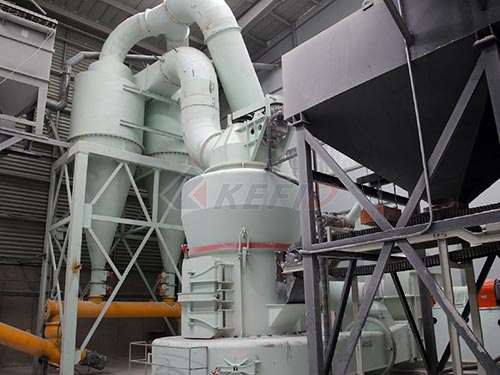
In 2023, we completed the export and commissioning of a 1,200 TPH crushing plant for a major iron ore project in Guinea. The challenges included:
Our Solution:
Result: The plant achieved 98% of design throughput within the first month of operation, with liner life exceeding 18 months.
8. Conclusion: Why Partner with Us?
Choosing the right crushing plant exporter is a strategic decision that impacts the entire mining value chain. Our company brings decades of engineering expertise, a proven track record in over 30 countries, and a relentless focus on reliability and efficiency. We do not just sell machines; we deliver solutions that optimize your ore processing from pit to port.
For a detailed quotation, process flow diagram, or to arrange a visit to our manufacturing facility, please contact our export sales team. We are ready to engineer a crushing plant that meets your specific tonnage, budget, and timeline.
If you have any questions about our products, please feel free to contact us. We take all inquiries and suggestions very seriously.