
Title: A Comprehensive Guide to the Procurement of the Top Ten Stone Crusher Machines
Introduction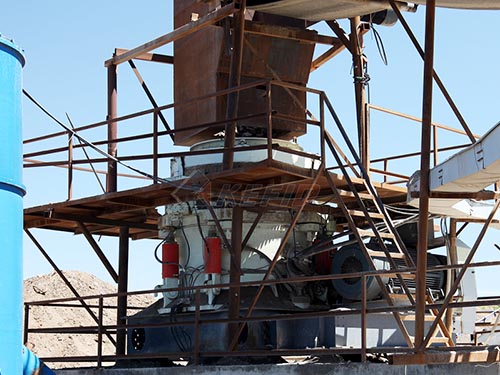
In the aggregate, mining, construction, and recycling industries, the stone crusher machine is not merely a piece of equipment; it is the pivotal heart of the production line. The efficiency, durability, and output quality of a crushing circuit directly dictate the profitability and viability of an operation. For procurement managers, project engineers, and business owners, selecting the right crusher is a high-stakes decision that balances capital expenditure against long-term operational efficiency. This article provides a detailed, objective analysis of the top ten stone crusher machines currently dominating the global market, categorized by their mechanical principles and primary applications. Furthermore, it outlines the critical factors involved in their procurement, ensuring that potential buyers can make informed decisions aligned with their specific project requirements.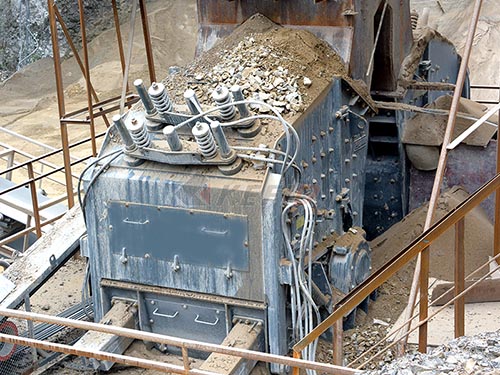
The Strategic Importance of Crusher Selection
Before delving into the specific machinery, it is essential to understand the procurement context. The global market for crushing equipment is driven by infrastructure development, urbanization, and the demand for manufactured sand. The “top ten” machines are not a static list; they represent the most widely adopted technologies across different stages of size reduction—primary, secondary, and tertiary crushing. A procurement strategy that fails to match the machine type to the material’s hardness, abrasiveness, and moisture content is destined for costly downtime and inefficient production.
The Top Ten Stone Crusher Machines: A Detailed Breakdown
The following ten machines represent the pinnacle of current crushing technology, each excelling in specific operational niches.
1. Jaw Crusher (Primary Crushing)
The jaw crusher remains the undisputed workhorse of primary crushing. Its design—a fixed jaw and a moving jaw—excels in reducing large, hard rocks into manageable sizes. For procurement, the key considerations are the feed opening size and the eccentric shaft speed. Modern hydraulic jaw crushers offer ease of adjustment and overload protection, making them indispensable for hard rock quarries.
2. Gyratory Crusher (Primary Crushing)
For high-capacity operations, the gyratory crusher is superior. It operates on the principle of a conical spindle gyrating within a concave chamber. While the initial capital cost is higher than a jaw crusher, its ability to handle enormous throughput with a uniform product size makes it the preferred choice for large-scale mining operations. Procurement focus should be on the spider arm design and the hydraulic adjustment system.
3. Cone Crusher (Secondary/Tertiary Crushing)
The cone crusher is the industry standard for secondary and tertiary reduction. It uses a gyrating cone within a concave to compress material. Modern variants, such as the multi-cylinder hydraulic cone crusher, offer exceptional versatility. They can be configured for coarse, medium, or fine crushing by simply changing the crushing chamber. When procuring, buyers must evaluate the automation system, which controls the CSS (Closed Side Setting) and protects against uncrushable material.
4. Impact Crusher (Horizontal Shaft Impactor – HSI)
The HSI crusher is a primary or secondary crusher that utilizes impact force rather than compression. It is ideal for softer, non-abrasive materials like limestone, recycling concrete, and asphalt. The procurement advantage of an HSI is its high reduction ratio and ability to produce a cubical product. However, the wear parts (blow bars) are a significant operational cost, so buyers must assess the metallurgy of these components.
5. Vertical Shaft Impactor (VSI)
The VSI is the machine of choice for producing manufactured sand and shaping aggregates. Unlike compression crushers, the VSI uses a high-speed rotor to throw rock against an anvil or a rock-lined chamber. This “rock-on-rock” crushing produces a superior cubical shape. Procurement decisions here hinge on the rotor design and the availability of dual-flow or bi-flow systems to manage moisture and sticky materials.
6. Hammer Crusher
The hammer crusher is a robust machine used for medium-hard to soft materials. It consists of a high-speed rotor with hammers that pulverize material against a breaker plate. It is often used in cement plants and small-scale aggregate production. Procurement should focus on the hammer material (manganese steel or alloy) and the grate bar configuration to prevent clogging.
7. Roll Crusher
The roll crusher, including the double roll and smooth roll variants, is used for reducing materials like coal, coke, and soft ores. It operates by drawing material between two rotating cylinders. While not suitable for hard rock, it is excellent for producing a uniform product with minimal fines. Procurement considerations include the roll surface (smooth, corrugated, or toothed) and the hydraulic or spring-loaded gap adjustment.
8. Compound Crusher
The compound crusher is a hybrid machine that combines the principles of impact and hammer crushing. It is designed for fine crushing of materials with medium hardness. Its advantage lies in its ability to handle high moisture content without clogging, making it a popular choice for processing wet coal or shale. Procurement should focus on the rotor’s balance and the wear resistance of the liner plates.
9. Mobile Crusher (Tracked or Wheeled)
The mobile crusher is not a single machine but a complete crushing plant mounted on a chassis. It integrates a feeder, crusher (jaw, cone, or impact), and conveyor. For procurement, mobility is the key differentiator. Tracked mobile crushers offer superior on-site maneuverability, while wheeled versions are better for road transport. The decision to procure a mobile unit over a stationary plant depends on the project’s lifespan and the need to move between sites.
10. Sand Making Machine (High-Efficiency Fine Crusher)
This is a specialized VSI variant designed specifically for the production of artificial sand. It features a deep rotor and a unique crushing chamber that maximizes the “rock-on-rock” action. Procurement must prioritize the machine’s energy efficiency and its ability to control the fineness modulus of the sand. The automation system should allow for precise control over the product gradation.
Key Factors in Procurement Decision-Making
Procuring a stone crusher is a complex process that requires a holistic approach. The following factors are critical to the decision-making matrix:
Material Characteristics: The most important factor is the hardness (Mohs scale), abrasiveness, and moisture content of the feed material. A jaw or gyratory crusher is required for hard, abrasive rock (e.g., granite, basalt), while an impactor or hammer crusher is suitable for softer materials (e.g., limestone).
Capacity and Reduction Ratio: The required throughput (tons per hour) and the desired reduction ratio (feed size to product size) will determine the number of crushing stages. A primary crusher might reduce 1-meter rock to 100mm, while a secondary cone crusher reduces it further to 20mm.
Total Cost of Ownership (TCO): Procurement should not be based solely on the purchase price. TCO includes installation, energy consumption, wear parts replacement, and maintenance labor. For example, a cone crusher may have a higher initial cost than an impact crusher but offers lower wear costs for abrasive materials.
Automation and Control: Modern crushers are equipped with PLC (Programmable Logic Controller) systems that monitor bearing temperatures, oil pressure, and power draw. Procurement of a machine with advanced automation can prevent catastrophic failures and optimize the crushing chamber for maximum yield.
After-Sales Support and Spare Parts: The global supply chain for crusher parts is a critical procurement consideration. A machine from a manufacturer with a local warehouse for wear parts (mantles, blow bars, jaw plates) will minimize downtime. Buyers should evaluate the vendor’s service network and response time.
Regulatory and Environmental Compliance: Noise levels, dust emission, and vibration are subject to strict regulations in many jurisdictions. Procurement must ensure the machine is equipped with dust suppression systems and soundproofing to comply with local environmental laws.
Conclusion
The procurement of a stone crusher machine is a strategic investment that requires a thorough understanding of the project’s geological, operational, and financial parameters. The top ten machines outlined above—from the robust jaw and gyratory crushers to the precision VSI and mobile plants—each offer distinct advantages. A successful procurement strategy is not about finding the “best” machine in isolation, but rather the most suitable machine for the specific application. By prioritizing material characteristics, total cost of ownership, and after-sales support, procurement professionals can secure a crushing solution that delivers high productivity, minimal downtime, and a strong return on investment for years to come. As the industry moves toward digitalization and sustainability, the next generation of crushers will likely integrate even greater automation and energy efficiency, making the procurement process an ongoing exercise in technological evaluation.
If you have any questions about our products, please feel free to contact us. We take all inquiries and suggestions very seriously.