
Industrial 250–300 TPH Stone Crushing Plant Delivery: Engineering, Logistics, and Commissioning Considerations
Abstract
The delivery of an industrial 250–300 tonnes-per-hour (TPH) stone crushing plant represents a complex, multi-disciplinary undertaking that spans process design, equipment manufacturing, international logistics, site integration, and commissioning. Unlike smaller modular units, a plant of this capacity is typically engineered as a semi-mobile or stationary installation serving aggregate production, concrete batching, asphalt mixing, or mining feed preparation. This article examines the principal technical and logistical dimensions of delivering such a plant, including process configuration, equipment selection, transport and customs considerations, site preparation, erection, and performance verification. The objective is to provide a professional, objective reference for project owners, EPC contractors, and equipment suppliers engaged in medium-to-large-scale aggregate production projects.
1. Introduction
A 250–300 TPH crushing plant occupies an intermediate capacity band within the aggregates industry. It is large enough to support commercial quarry operations, ready-mix concrete supply, and major infrastructure contracts, yet small enough to remain transportable in containerized or break-bulk shipments. Delivery of such a plant is not merely a matter of shipping machinery; it is the culmination of a structured project lifecycle that begins with feed material characterization and ends with a signed performance acceptance certificate.
The term “delivery” in this context therefore encompasses three distinct but interdependent meanings: delivery of the engineered design, delivery of the physical equipment to site, and delivery of the commissioned plant into reliable production. Each dimension carries its own risks and requires disciplined management.
2. Process Design and Configuration
The first determinant of delivery success is the process flowsheet. For a 250–300 TPH plant, typical configurations include:
The flowsheet must be matched to the feed material’s work index, moisture content, and lump size. A plant designed for 300 TPH of limestone will not deliver 300 TPH of basalt without derating. Consequently, the guaranteed capacity should always be stated together with the reference rock type and gradation.
3. Equipment Manufacturing and Quality Assurance
Delivery timelines are frequently governed by manufacturing lead times. For a 250–300 TPH plant, typical lead times range from 8 to 16 weeks depending on the crusher type and whether custom steelwork is required. Key quality assurance measures include:
Third-party inspection, such as that provided by SGS, Bureau Veritas, or TÜV, is commonly specified in international contracts to verify compliance with agreed drawings and standards before shipment.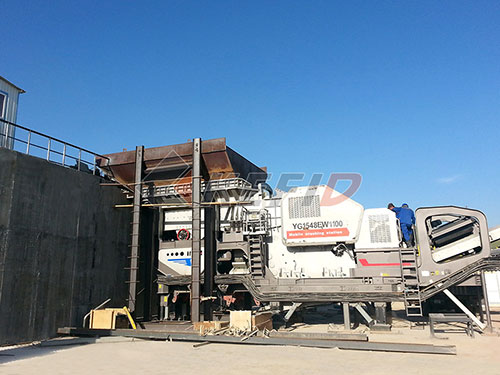
4. Logistics and Transport
Transporting a 250–300 TPH plant typically involves 15 to 30 containers or a combination of containers, flat racks, and break-bulk cargo, depending on the degree of pre-assembly. Critical logistics considerations include:
Port congestion, seasonal weather, and geopolitical disruptions can add weeks to delivery schedules. Contingency planning, including buffer stock of critical spares, is therefore standard practice.
5. Site Preparation and Civil Works
Before equipment arrives, the site must be prepared to receive it. This includes:
Delays in civil works are among the most common causes of extended delivery schedules. Parallel planning between civil and mechanical contractors is therefore essential.
6. Erection and Mechanical Installation
Erection of a 250–300 TPH plant typically requires 4 to 10 weeks, depending on site conditions and labor availability. The sequence generally follows:
Alignment tolerances for crusher drive systems, conveyor pulleys, and screen shafts are critical. Poor alignment leads to premature bearing failure and unscheduled downtime.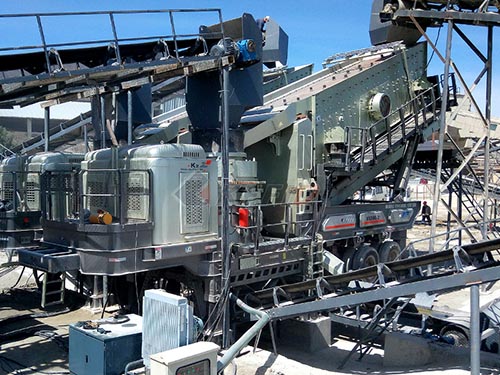
7. Commissioning and Performance Testing
Commissioning is the stage at which delivery is truly validated. It comprises:
Acceptance criteria typically include throughput within ±5% of guarantee, product gradation within specified limits, and power consumption within design parameters. Only after successful performance testing is the plant considered delivered.
8. Operational Readiness and After-Sales Support
Delivery does not end at mechanical completion. Operator training, spare parts provisioning, and preventive maintenance schedules are essential to protect the investment. Suppliers should provide:
9. Conclusion
The delivery of an industrial 250–300 TPH stone crushing plant is a project in its own right, requiring integration of process engineering, manufacturing quality, international logistics, civil works, erection, and commissioning. Success depends less on any single element than on disciplined coordination across all of them. Owners who invest in thorough front-end engineering, clear contractual specifications, and experienced project management are far more likely to achieve on-time delivery and reliable long-term performance. As global demand for aggregates continues to rise, the ability to deliver such plants efficiently and predictably will remain a defining capability of successful equipment suppliers and EPC contractors.
If you have any questions about our products, please feel free to contact us. We take all inquiries and suggestions very seriously.