
High Quality Iron Ore Crushing Plant Testing: A Comprehensive Guide to Commissioning, Performance Validation, and Quality Assurance
Introduction
The successful commissioning of a high quality iron ore crushing plant is not merely a matter of installing equipment and switching on motors. It is a rigorous, multi-stage engineering process that validates design assumptions, verifies equipment performance, and ensures that the final product meets the physical and chemical specifications demanded by downstream processes such as grinding, beneficiation, and pelletizing. Testing, therefore, serves as the critical bridge between construction completion and reliable commercial operation. This article provides a detailed, objective examination of the testing protocols, methodologies, and key performance indicators (KPIs) associated with high quality iron ore crushing plant testing, with emphasis on mechanical integrity, throughput capacity, product size distribution, and operational safety.
1. The Rationale for Structured Testing
Iron ore crushing circuits typically consist of primary, secondary, and tertiary crushing stages, often followed by screening and conveying systems. The inherent variability of iron ore—ranging from hard, abrasive magnetite to softer, friable hematite—means that a plant designed on paper may behave differently under actual load. Without systematic testing, operators risk premature equipment failure, excessive fines generation, inadequate liberation for downstream beneficiation, and unplanned downtime. High quality testing addresses these risks by confirming that:
2. Pre-Commissioning Tests: Dry and Wet Checks
Before any ore is introduced, pre-commissioning tests are conducted. These include:
These tests are not a substitute for load testing, but they prevent catastrophic damage when ore is first introduced.
3. Load Testing: Staged Approach
Load testing proceeds in stages, beginning with low throughput and gradually increasing to design capacity. A typical sequence for a high quality iron ore crushing plant includes:
Throughout load testing, key parameters are logged at frequent intervals: feed rate, crusher power draw (kW), closed side setting (CSS), screen amplitude, belt scale readings, and product particle size distribution.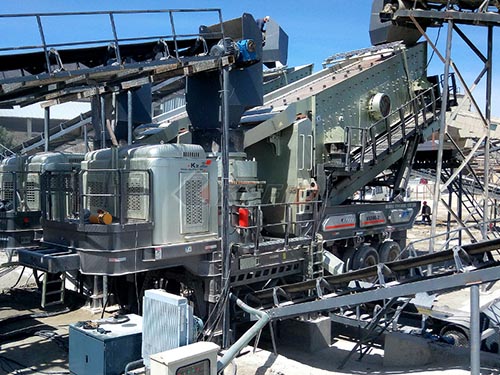
4. Performance Validation and KPIs
A high quality testing program defines quantitative acceptance criteria. Common KPIs include:
If any KPI is not met, root cause analysis is performed. Common issues include inadequate feeder control, screen blinding, crusher chamber packing, or insufficient surge capacity between stages.
5. Material Sampling and Laboratory Testing
Representative sampling is essential for objective evaluation. Automatic samplers are installed on the product conveyor and on recycle streams. Samples are collected for:
These laboratory results are compared with the design ore characteristics. If the actual ore is harder or more abrasive than assumed, the plant may require adjustments such as reduced throughput, increased crusher power, or modified liner profiles.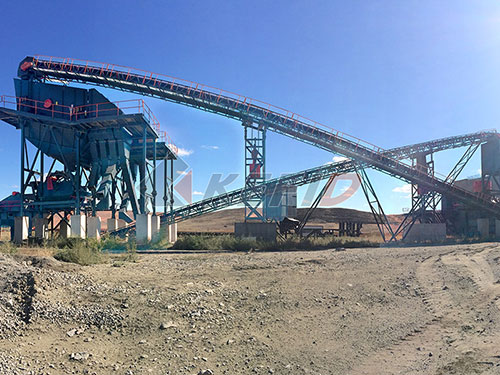
6. Mechanical and Reliability Testing
Beyond process performance, high quality testing includes mechanical reliability checks:
7. Safety and Environmental Testing
No testing program is complete without verifying safety systems:
8. Documentation and Handover
The final phase of testing produces a comprehensive report containing:
This documentation becomes the baseline for future performance monitoring and preventive maintenance.
Conclusion
High quality iron ore crushing plant testing is a disciplined, evidence-based process that transforms a constructed facility into a reliable production asset. By combining staged load testing, rigorous sampling, mechanical reliability checks, and safety validation, operators can confirm that the plant achieves its design throughput, product size, and energy efficiency. Given the capital intensity of iron ore projects and the demanding specifications of downstream beneficiation, investing in a thorough testing program is not optional—it is a prerequisite for sustainable, profitable operation. The principles outlined here apply equally to new plants, expansions, and major equipment replacements, ensuring that high quality remains the defining standard from commissioning through the entire life of the mine.
If you have any questions about our products, please feel free to contact us. We take all inquiries and suggestions very seriously.