
Gyratory Crusher Company Quotation: A Comprehensive Guide to Procurement, Pricing, and Technical Evaluation
Introduction
In the realm of heavy industrial mineral processing, the gyratory crusher stands as a monolithic sentinel of primary size reduction. Unlike its more ubiquitous counterpart, the jaw crusher, the gyratory crusher is engineered for high-throughput, continuous operation, often handling feed sizes exceeding 1.5 meters and producing throughput rates of up to 10,000 metric tons per hour. For mining houses, aggregate producers, and large-scale cement plants, the acquisition of a gyratory crusher is not a routine purchase; it is a capital-intensive, multi-decade strategic investment. Consequently, obtaining a gyratory crusher company quotation is a complex process that extends far beyond a simple price list. This article provides a professional, objective, and exhaustive examination of the quotation process, covering technical parameters, commercial structures, market dynamics, and evaluation criteria.
1. The Anatomy of a Gyratory Crusher Quotation
A professional quotation from a reputable gyratory crusher manufacturer is a multi-page technical and commercial dossier. It is not merely a price tag. A comprehensive quotation must include the following core components:
Technical Specification Sheet: This includes the mantle and concave configuration, eccentric throw, closed side setting (CSS) range, motor power (typically 300–1,200 kW), crusher speed (RPM), and the installed weight (often exceeding 800 metric tons for large units). Crucially, the quotation must specify the capacity curve based on specific ore characteristics (bulk density, work index, compressive strength, and moisture content). A quotation that omits these variables is inherently incomplete and potentially misleading.
Mechanical Design Details: The quotation should detail the mainframe construction (cast steel vs. fabricated), the type of spider bearing (hydrostatic or hydrodynamic), the lubrication system (forced oil circulation with redundant pumps), and the hydraulic adjustment system for CSS. Modern quotations also include the automation package—such as ASRi (Automated Setting Regulation) systems—which are essential for optimizing liner life and product consistency.
Scope of Supply: This is a critical legal and commercial boundary. The quotation must clearly delineate what is included: the crusher itself, the main motor, the lubrication unit, the hydraulic power unit, the control panel, and the installation tools. Often, the quotation excludes civil works, structural steel, chutework, and the feed hopper. Ambiguity in the scope of supply is the leading cause of post-award cost overruns.
Erection and Commissioning Services: Does the quotation include supervision of erection? Is commissioning performed by the OEM (Original Equipment Manufacturer) or a third party? A professional quotation will offer a tiered structure: (a) supply only, (b) supply with technical supervision, or (c) turnkey EPC (Engineering, Procurement, and Construction) delivery.
2. Pricing Structure and Cost Drivers
The price of a gyratory crusher is influenced by a confluence of engineering, metallurgical, and logistical factors. Understanding these drivers is essential for evaluating a quotation’s fairness.
Crusher Size and Capacity: The most significant cost driver is the feed opening and throughput capacity. A 54-75 model (54-inch feed opening, 75-inch mantle diameter) will cost substantially less than a 60-110 model. The price differential is not linear; a 20% increase in capacity can result in a 35–40% increase in price due to heavier castings and larger bearings.
Liner Material and Wear Life: Gyratory crushers utilize manganese steel (12–14% Mn) or, increasingly, composite alloys with ceramic inserts. The quotation should offer options for different liner grades. High-chrome or high-carbon steel liners cost more upfront but can extend wear life by 30–50% in abrasive ores. The quotation should also include a wear rate guarantee, which is a contractual commitment to a specific grams per ton of processed ore.
Motor and Drive System: The choice between a fixed-speed squirrel-cage motor and a variable frequency drive (VFD) significantly affects the quotation. VFDs allow for soft starting and torque control, reducing mechanical stress, but they add 15–25% to the electrical package cost.
Automation and Digitalization: Modern quotations often include a digital twin or remote monitoring capability. These IoT (Internet of Things) features, while increasing the initial capital expenditure, are justified by reduced downtime and predictive maintenance. A quotation that excludes these features may appear cheaper but could result in higher lifecycle costs.
Logistics and Freight: Gyratory crushers are not shipped in one piece. The mainframe is typically split into 2–4 segments, the mantle and concave are separate, and the eccentric assembly is a single heavy unit. The quotation must specify Incoterms (e.g., FOB, CIF, DDP). For landlocked mining sites, the cost of heavy-haul trucking or rail transport can add 8–12% to the ex-works price. Additionally, site access constraints may require specialized modularization, which the quotation must address.
3. The Quotation Process: From RFQ to Final Offer
The procurement cycle for a gyratory crusher typically spans 6 to 12 months. A professional buyer will issue a Request for Quotation (RFQ) that includes the following data:
Upon receiving the RFQ, the manufacturer will perform a preliminary engineering study. This is not a sales exercise; it involves simulating the crushing chamber using DEM (Discrete Element Method) software to predict liner wear and power draw. The quotation is then generated with a validity period—typically 90 days—due to fluctuating steel and copper prices.
4. Comparative Analysis: OEM vs. Aftermarket and Regional Suppliers
The global market for gyratory crushers is dominated by a handful of established OEMs, including Metso (Nordberg), Sandvik, FLSmidth, and ThyssenKrupp. However, the quotation landscape has evolved with the emergence of Chinese manufacturers (e.g., CITIC Heavy Industries, Shenyang Shanyu) offering competitive pricing at 30–50% lower capital cost.
OEM Quotations: These are characterized by premium pricing, but they include extensive R&D backing, global service networks, and guaranteed performance. OEM quotations often feature a performance guarantee with liquidated damages if throughput or product size is not met.
Chinese and Regional Suppliers: Their quotations are attractive for greenfield projects with tight budgets. However, the buyer must scrutinize the quotation for hidden costs: lower-grade castings, longer lead times for spare parts, and less robust automation. A professional evaluation will calculate the Total Cost of Ownership (TCO) over 15 years, including energy consumption, liner replacement frequency, and downtime costs. In many cases, a cheaper initial quotation results in a 20% higher TCO.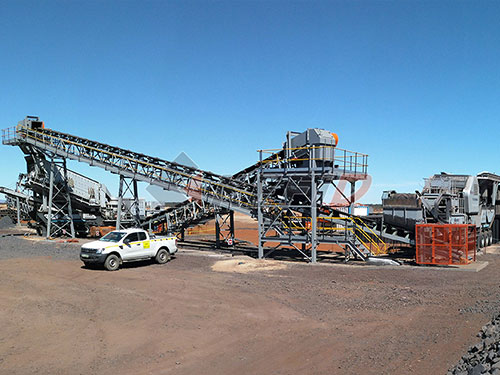
5. Key Commercial Terms in a Quotation
Beyond the price, the following commercial terms are critical and must be explicitly stated:
Payment Terms: Typical terms are 15% down payment, 70% against progress (milestone-based), and 15% against successful commissioning. A quotation that demands 50% upfront is a red flag for cash-flow issues on the manufacturer’s side.
Lead Time: Standard lead time for a large gyratory crusher is 40–60 weeks from order to ex-works. The quotation must specify the critical path items, such as the mainframe casting, which often requires a dedicated foundry slot.
Warranty: A standard warranty is 12 months from commissioning or 18 months from shipment, whichever occurs first. A superior quotation will offer a 24-month warranty on the mainframe and eccentric assembly, given that these are the highest-stress components.
Spare Parts Package: A quotation should include a recommended initial spare parts list, including a spare mantle, concave, and a complete set of seals and bearings. This package typically adds 5–8% to the base price but is essential for minimizing downtime during the first year of operation.
6. Evaluating Quotations: A Technical and Financial Framework
To objectively compare quotations from different companies, the buyer should employ a weighted scoring matrix. The following criteria are recommended:
Technical Compliance (30%): Does the crusher meet the required capacity at the specified CSS? Is the motor power adequate for the ore’s work index? Are the lubrication and cooling systems sized for the site’s ambient temperature?
Lifecycle Cost (25%): This includes initial price, estimated energy consumption (kWh/ton), liner wear cost per ton, and projected maintenance labor hours.
Reliability and References (20%): The quotation should include a list of at least five installations with similar ore types and throughput. A manufacturer that cannot provide relevant references should be penalized.
After-Sales Support (15%): What is the response time for a service engineer? Is there a regional warehouse for critical spares? Does the quotation include a training program for local operators?
Commercial Flexibility (10%): Are the payment terms negotiable? Is there a trade-in option for an existing crusher? Does the manufacturer offer a performance-based contract where they are paid per ton of crushed ore?
7. Common Pitfalls in Accepting a Quotation
Even experienced procurement teams can fall victim to several recurring errors:
Ignoring the CSS Definition: The capacity of a gyratory crusher is highly sensitive to the CSS. A quotation that specifies capacity at a CSS of 150 mm is not comparable to one at 175 mm. Always normalize capacity to a common CSS.
Overlooking the Motor Service Factor: A quotation may specify a motor with a service factor of 1.15, but the actual power draw during peak load may exceed this. The quotation should include a power draw curve, not just a nominal rating.
Assuming Foundation Costs are Included: The crusher’s dynamic loads are substantial. The quotation should provide a foundation reaction diagram. If this is absent, the buyer must budget separately for a structural engineer, which can cost $200,000–$500,000.
Neglecting the Installation Tooling: Gyratory crushers require specialized hydraulic torque wrenches, lifting beams, and turning gear. If these are not in the quotation, the buyer faces significant additional procurement costs.
8. The Future of Gyratory Crusher Quotations
The industry is moving toward outcome-based quotations. Leading manufacturers now offer Performance-as-a-Service models, where the quotation is structured as a cost per ton of ore processed, including all maintenance and liner replacement. This shifts the risk of liner wear and mechanical failure from the buyer to the seller. Additionally, digital quotations now include a virtual reality (VR) simulation of the crusher’s operation, allowing the buyer to inspect the internal geometry and maintenance access before purchase.
Conclusion
A gyratory crusher company quotation is a sophisticated engineering and commercial document that demands rigorous scrutiny. It is not a simple price comparison exercise. The buyer must evaluate the technical specifications against the specific ore characteristics, analyze the total cost of ownership, and verify the manufacturer’s track record. By understanding the cost drivers, the scope of supply, and the critical commercial terms, a mining or aggregate company can secure a quotation that not only meets its budget but also ensures decades of reliable, high-throughput operation. The cheapest quotation is rarely the most economical; the most professional quotation is one that transparently addresses every variable from feed size to foundation bolts, thereby eliminating surprises and fostering a long-term partnership between the buyer and the crusher manufacturer.
If you have any questions about our products, please feel free to contact us. We take all inquiries and suggestions very seriously.