
The global iron ore industry, the fundamental backbone of steel production and modern infrastructure, relies on a critical first step: size reduction. At the heart of this process lies the Iron Ore Crushing Plant—a sophisticated assembly of machinery designed to transform raw, mined ore into a uniform, transportable, and blast furnace-ready product. For wholesalers operating in the export market, this represents not merely a transaction of equipment, but the facilitation of a nation’s industrial capacity. This article provides a detailed, professional examination of the export wholesale market for Iron Ore Crushing Plants, covering market dynamics, plant configurations, key considerations for buyers and sellers, logistical complexities, and future trends.
The export market for complete crushing plants is intrinsically linked to global iron ore production and exploration activities. Primary demand originates from:
Wholesalers in this space act as crucial intermediaries between specialized engineering firms/manufacturers and end-user mining companies or EPC (Engineering, Procurement, and Construction) contractors. Their value proposition lies in product knowledge, network reach, financing options, and the ability to navigate international trade regulations.
An export-grade Iron Ore Crushing Plant is a modular system engineered for specific ore characteristics (abrasiveness, hardness—often measured by Bond Work Index—moisture content) and required final product size. Key components wholesalers must understand include:
Common Flow Configurations:
Successfully exporting these multi-million-dollar packages requires deep expertise beyond simple logistics: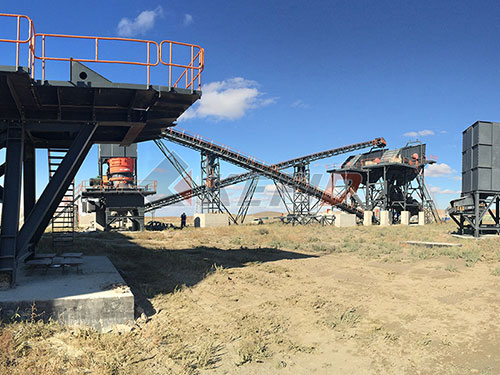
A. Technical & Commercial Specifications:
B. Regulatory Compliance & Standards:
C. Logistics & Shipping:
Crushing plants are shipped as break-bulk cargo or in flat-rack/ open-top containers due to oversized components like crusher frames and screens.
Wholesalers must manage:
D. After-Sales Support & Training:
The sale is only the beginning. Providing commissioning supervision by certified engineers,
comprehensive operator/maintenance training programs,
and establishing reliable channels
for technical support
and spare parts supply
are non-negotiable
for building long-term client relationships
and securing future business.
The market features several tiers:
Tier 1: Global OEMs like Metso Outotec FLSmidth ThyssenKrupp which offer full-system solutions at premium prices often through direct sales but use wholesalers/distributors in certain regions
Tier 2 Specialized regional manufacturers particularly strong in China India Turkey South Korea offering cost-competitive well-engineered packages This segment is where export wholesalers are most active adding value through market access financing quality assurance
Tier 3 Local fabricators serving domestic markets occasionally exporting to neighboring countries
Wholesalers differentiate themselves through financing arrangements vendor-managed inventory programs deep technical advisory services ability bundle complementary equipment like stackers reclaimers sample stations
Digitalization Smart Plants Integration IoT sensors AI-powered predictive maintenance digital twins allowing remote performance monitoring becoming expected features not luxuries Wholesalers must partner with tech providers offer these upgrades
Sustainability Electrification Driven by net-zero commitments demand growing fully electric hybrid plants utilizing renewable power sources reducing diesel generator reliance Water recycling systems also key selling point
Modularity Scalability Clients seek modular designs allow phased expansions capacity Market favors suppliers offering scalable easily relocatable solutions reduce capital risk new projects
Trade Policy Shifts Local content requirements many countries force wholesalers form joint ventures local assembly partnerships ensure compliance maintain market access
Conclusion Exporting iron ore crushing plants as wholesaler complex high-value endeavor blending deep engineering knowledge international trade acumen logistical mastery relationship management It involves curating robust efficient plant designs navigating multifaceted regulatory environments providing unwavering lifecycle support As global demand steel continues evolve driven infrastructure development urbanization transition green energy technologies role facilitating efficient mineral processing through supply advanced reliable crushing systems remains strategically vital Professionally managed wholesale operations thus serve critical link connecting manufacturing innovation resource development worldwide powering economic growth industrial foundation modern civilization
If you have any questions about our products, please feel free to contact us. We take all inquiries and suggestions very seriously.