
Title: Slag Crusher Plant Fabricator Design Service: An Integrated Engineering Approach to Metallurgical Byproduct Processing
Introduction
In the metallurgical and heavy industrial sectors, the management of slag—a byproduct of steelmaking, smelting, and other high-temperature processes—represents both a significant operational challenge and a valuable resource recovery opportunity. A slag crusher plant is a critical facility designed to reduce large, irregular slag lumps into manageable, graded aggregates suitable for reuse in construction, road building, cement production, or further metal recovery. However, the effectiveness of such a plant depends not merely on the selection of individual crushers but on the holistic, integrated design and fabrication of the entire system. This is where a specialized slag crusher plant fabricator design service becomes indispensable. Such a service encompasses the engineering, custom fabrication, and system integration required to deliver a plant that is robust, efficient, and tailored to the specific physical and chemical characteristics of the slag to be processed. This article provides a detailed, objective examination of what this service entails, the key design considerations, the fabrication process, and the operational benefits it delivers.
The Nature of Slag and Its Processing Challenges
Slag is not a uniform material. Its properties vary widely depending on the feedstock, the metallurgical process (e.g., blast furnace, basic oxygen furnace, electric arc furnace), and the cooling method employed (air-cooled, water-quenched, or granulated). Air-cooled slag is typically hard, dense, and abrasive, often containing entrapped metallic iron. Water-quenched slag may be more porous and glassy but can still be highly abrasive. These characteristics impose severe demands on any processing equipment. Key challenges include:
A fabricator design service must address these challenges from the outset through a customized, application-specific engineering approach.
Scope of a Slag Crusher Plant Fabricator Design Service
A comprehensive design and fabrication service typically covers the entire project lifecycle, from initial feasibility studies to commissioning and after-sales support. The core deliverables can be categorized as follows:
Process Design and Engineering: This involves a detailed analysis of the client’s slag characteristics, throughput requirements, and desired product specifications. Process engineers develop a flowsheet that defines the sequence of unit operations: feeding, primary crushing, screening, secondary/tertiary crushing, magnetic separation, and stockpiling. Mass and energy balances are calculated to size equipment correctly.
Mechanical and Structural Design: Using advanced CAD and FEA (Finite Element Analysis) software, the fabricator designs the structural steelwork, chutes, hoppers, and support structures to withstand the dynamic loads and vibrations inherent in crushing operations. The design must account for fatigue resistance, ease of maintenance access, and safety compliance.
Equipment Selection and Custom Fabrication: While standard crushers (jaw, cone, impact) may be used, the fabricator often custom-fabricates key components such as feed hoppers with wear liners, vibrating screens with specialized deck materials, and magnetic separators tailored to the slag’s magnetic susceptibility. The fabrication service ensures that all components are manufactured to precise tolerances and material specifications.
Electrical and Control System Integration: A modern slag crusher plant requires a robust control system for safe and efficient operation. The design service includes motor control centers, PLC (Programmable Logic Controller) based automation, interlocking systems, and remote monitoring capabilities. This ensures smooth start-up/shutdown sequences and protects equipment from overload.
Dust Suppression and Environmental Control: The design incorporates enclosures, baghouse filters, or water spray systems to control fugitive dust emissions, ensuring compliance with environmental regulations and protecting worker health.
Erection and Commissioning Support: The fabricator provides detailed engineering drawings, assembly instructions, and on-site supervision or technical assistance during installation and commissioning to ensure the plant operates as designed.
Key Design Considerations Addressed by the Service
A professional fabricator design service differentiates itself by proactively addressing the following critical factors:
The Fabrication Process: From Design to Delivery
The fabrication phase translates the engineering design into a physical plant. A reputable fabricator follows a structured process: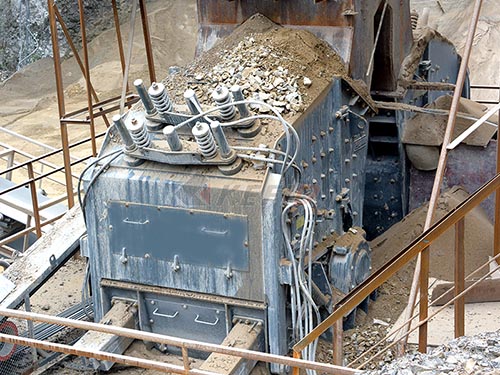
Operational and Economic Benefits of a Professional Design Service
Engaging a specialized fabricator design service yields substantial benefits over purchasing off-the-shelf equipment and attempting integration in-house:
Conclusion
A slag crusher plant fabricator design service is far more than a vendor of individual machines. It is an engineering partnership that delivers a complete, integrated processing solution. By combining a deep understanding of slag’s abrasive and variable nature with rigorous process engineering, custom fabrication, and system integration, such a service provides a plant that is reliable, efficient, and economically viable. For industries generating slag, investing in a professionally designed and fabricated crushing plant is a strategic decision that transforms a waste handling burden into a sustainable resource recovery operation. As environmental regulations tighten and the demand for recycled aggregates grows, the role of specialized fabricator design services will only become more critical in the metallurgical and construction materials sectors.
If you have any questions about our products, please feel free to contact us. We take all inquiries and suggestions very seriously.