Custom Slag Crusher Plant Maker: Engineering Tailored Solutions for Industrial Waste Valorization
Introduction
In the modern industrial landscape, the efficient management and valorization of by-products have become critical to both economic viability and environmental sustainability. Among these by-products, slag—a non-metallic residue generated from metal smelting processes, coal combustion, and other high-temperature industrial operations—presents both a significant disposal challenge and a valuable resource opportunity. The transformation of slag into reusable aggregates, cementitious materials, or road base requires specialized crushing and processing equipment. This is where the role of a Custom Slag Crusher Plant Maker becomes indispensable. Unlike standard aggregate crushers, slag processing demands a deep understanding of material properties, wear resistance, and specific end-use requirements. This article provides a comprehensive, professional, and objective examination of what constitutes a custom slag crusher plant maker, the technical intricacies involved in designing such plants, the key components, and the critical factors that influence selection and performance.
1. Understanding Slag: A Complex Feedstock
Before delving into the machinery, it is essential to understand the material being processed. Slag is not a uniform substance. Its physical and chemical characteristics vary dramatically based on its origin:
- Blast Furnace Slag (BFS): Produced during iron production, BFS is typically glassy, granular, and relatively easy to crush. It is highly valued as a cement substitute (Ground Granulated Blast Furnace Slag, GGBFS).
- Steel Slag: Generated in Basic Oxygen Furnaces (BOF) or Electric Arc Furnaces (EAF), steel slag is denser, harder, and contains free lime (CaO) and iron oxides. It is abrasive and can be expansive, requiring aging or special treatment before use.
- Ferroalloy Slag: Often contains valuable metals like chromium, manganese, or silicon. Processing aims to recover these metals while producing a clean aggregate.
- Incineration Slag: From waste-to-energy plants, this slag contains glass, ceramics, metals, and unburned materials. It requires magnetic separation and careful screening.
A custom plant maker must first analyze the slag’s chemical composition, abrasiveness (Mohs hardness), moisture content, and particle size distribution. This analysis dictates the entire plant design, from crusher type to dust control systems.
2. The Role of a Custom Slag Crusher Plant Maker
A generic crushing plant designed for limestone or granite will fail when processing slag. The wear rates would be catastrophic, and the product quality would be inconsistent. A custom slag crusher plant maker specializes in:
- Material-Specific Engineering: Designing crushers with high-chrome or manganese steel liners, hydraulic adjustment systems to handle tramp metal, and variable speed drives to accommodate varying feed rates.
- Modular and Scalable Solutions: Offering plants that can be expanded as production needs grow. A typical custom plant might start with a single-stage impactor and later incorporate a secondary cone crusher and a vertical shaft impactor (VSI) for shaping.
- Integration of Pre-Processing and Post-Processing: Including magnetic separators (overbelt and drum types) to recover ferrous metals, eddy current separators for non-ferrous metals, and air classifiers or washing systems to remove fines and dust.
- Automation and Control: Implementing PLC-based systems that monitor crusher load, bearing temperature, oil pressure, and conveyor belt speeds. Advanced systems can automatically adjust crusher settings to maintain consistent product gradation.
3. Key Components of a Custom Slag Crushing Plant
A well-designed slag processing plant is a symphony of interconnected machinery. The following are the core components that a custom maker must carefully select and integrate:
3.1 Primary Crushing Stage
The first stage must handle large, irregular lumps of slag (often up to 1 meter in size). Options include:
- Jaw Crushers: Robust and reliable, ideal for very hard and abrasive slag. Custom makers often specify extra-heavy-duty eccentric shafts and toggle plates to withstand shock loads.
- Impact Crushers (Horizontal Shaft Impactors – HSI): Suitable for less abrasive slag (e.g., BFS). They offer high reduction ratios and produce cubical product. However, wear costs can be high for steel slag.
- Gyratory Crushers: Rarely used for slag due to high capital cost, but can be specified for extremely high throughput requirements.
3.2 Secondary and Tertiary Crushing
To achieve the desired final product size (typically 0-5 mm, 5-20 mm, or 20-40 mm), further reduction is needed:
- Cone Crushers: Excellent for hard, abrasive slag. Custom makers often equip them with automatic setting regulation (ASRi) to compensate for wear and maintain product consistency.
- Vertical Shaft Impactors (VSI): Used for shaping and fine crushing. They are particularly effective for producing high-quality manufactured sand from slag. The rotor and anvil configurations can be customized for slag’s specific wear patterns.
- Roll Crushers: Sometimes used for sticky or moist slag, as they are less prone to clogging than cone crushers.
3.3 Screening and Classification
Vibrating screens must be robust enough to handle heavy, abrasive material. Custom makers often use:
- Heavy-Duty Inclined Screens: With polyurethane or rubber screen media to reduce blinding and wear.
- High-Frequency Screens: For fine separation (below 5 mm), ensuring the removal of dust and undersize material.
- Air Classifiers: Used to separate light, powdery fractions (e.g., cementitious fines) from heavier aggregates.
3.4 Metal Recovery Systems
A critical differentiator for a custom plant is the integration of metal recovery:
- Overbelt Magnetic Separators: Suspended over conveyors to extract large ferrous pieces.
- Drum Magnets: Installed at discharge points to remove smaller ferrous particles.
- Eddy Current Separators: For recovering non-ferrous metals (aluminum, copper) from incineration or ferroalloy slag.
- Sensor-Based Sorting: Advanced systems using X-ray transmission (XRT) or near-infrared (NIR) sensors to separate different slag types or remove contaminants.
3.5 Dust Control and Environmental Compliance
Slag processing generates significant dust, especially when dry. A custom plant maker must design:
- Baghouse Filters or Wet Scrubbers: To capture fine particulate matter.
- Water Spray Systems: For dust suppression at transfer points and crusher inlets.
- Enclosed Conveyors and Chutes: To minimize fugitive emissions.
- Noise Reduction: Using acoustic enclosures around crushers and screens.
4. Engineering Considerations for Customization
The term “custom” implies that no two plants are identical. The following factors drive the engineering decisions:
- Throughput Capacity: From 50 tons per hour (TPH) for small industrial sites to 500+ TPH for large steel mills. The plant layout, conveyor widths, and crusher sizes scale accordingly.
- Feed Material Variability: If the slag composition changes frequently (e.g., a steel mill using different scrap mixes), the plant must be flexible. This may involve using reversible hammers in impactors or interchangeable crusher liners.
- End Product Specifications: Is the slag destined for road base (requiring a 0-40 mm gradation), for cement production (requiring fine grinding), or for metal recovery (requiring liberation of metallic particles)? Each application dictates a different crushing and screening strategy.
- Location and Climate: Plants in cold climates may require heated screens and lubricants. Plants in humid regions may need additional drying stages or corrosion-resistant materials.
- Power Availability: Custom makers can design plants for electric drive, diesel-electric hybrid, or fully mobile configurations if grid power is limited.
5. The Design and Manufacturing Process
A reputable custom slag crusher plant maker follows a structured process:
- Feasibility Study and Material Testing: The maker takes representative slag samples and conducts crushability tests, abrasion index tests, and chemical analysis. This data forms the basis for the plant design.
- Conceptual Layout: Using 3D CAD software (e.g., SolidWorks, AutoCAD Plant 3D), the maker creates a preliminary layout showing the flow of material from feed hopper to stockpile. This includes conveyor routes, crusher positions, and building footprints.
- Detailed Engineering: Structural steel design, electrical schematics, piping for dust control, and control system programming are completed. Finite Element Analysis (FEA) is used to verify the strength of critical components.
- Fabrication and Assembly: Heavy plate steel is cut, welded, and machined. Crushers are assembled and tested under load. Quality control includes non-destructive testing (NDT) of welds.
- Installation and Commissioning: The plant is erected on-site, and the maker provides supervision. Commissioning involves running the plant with slag, adjusting settings, and training operators.
- After-Sales Support: Custom makers often offer remote monitoring, spare parts management, and wear part replacement services.
6. Challenges and Solutions in Slag Crushing
Even with custom engineering, challenges persist:
- Extreme Wear: Slag, especially steel slag, can have an abrasion index 3-5 times higher than granite. Solution: Use of ceramic inserts in crusher liners, hardfacing on hammers, and regular inspection schedules.
- Stickiness and Clogging: Moist slag can clog screens and crusher cavities. Solution: Use of self-cleaning screen media (e.g., harp wire or rubber mats), heated crusher chambers, and hydraulic gap adjustment.
- Metal Contamination: Tramp metal (e.g., broken steel balls, scrap) can damage crushers. Solution: Installation of metal detectors and magnetic separators before the primary crusher, and use of hydraulic relief systems that open the crusher gap when uncrushable material enters.
- Product Quality Consistency: Variations in slag chemistry can lead to inconsistent product gradation. Solution: Real-time particle size analyzers (e.g., online sieve analysis) and automated crusher setting adjustments.
7. Selecting a Custom Slag Crusher Plant Maker
Choosing the right partner is critical. Key criteria include:
- Proven Track Record: Look for case studies of plants processing similar slag types (e.g., BFS, EAF slag, incineration slag).
- In-House Engineering Capability: The maker should have mechanical, electrical, and process engineering teams, not just assembly capabilities.
- Wear Parts Expertise: A maker that also manufactures its own wear parts (liners, hammers, screens) can offer better performance guarantees and faster replacement.
- Global Service Network: For plants in remote locations, local service support is essential.
- Compliance and Safety: The plant must meet local safety standards (e.g., CE marking, OSHA requirements) and environmental regulations.
8. Future Trends in Slag Processing
The industry is evolving rapidly. Custom plant makers are now incorporating:
- Artificial Intelligence (AI) and Machine Learning: Predictive maintenance algorithms that analyze crusher vibration and power draw to forecast failures.
- Digital Twins: Virtual replicas of the plant that allow operators to simulate changes in feed material or settings without disrupting production.
- Mobile and Semi-Mobile Plants: For steel mills that need to process slag at different locations within the plant site.
- Carbon Capture Integration: Some advanced plants are exploring the use of slag to capture CO₂ from industrial exhaust, turning a waste into a carbon sink.
Conclusion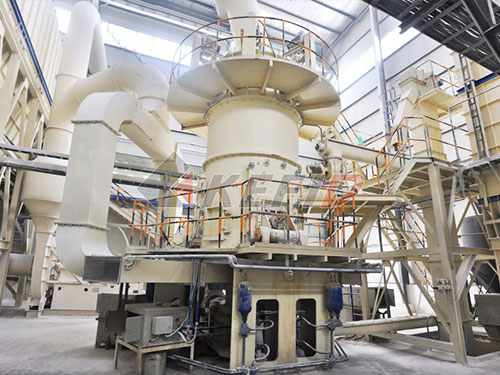
A Custom Slag Crusher Plant Maker is far more than a supplier of crushing equipment. They are a partner in industrial waste valorization, providing engineered solutions that transform a liability into a valuable resource. The complexity of slag—its abrasiveness, variability, and metal content—demands a level of customization that off-the-shelf plants cannot provide. From the initial material analysis to the final commissioning and ongoing support, the custom maker’s expertise ensures that the plant operates efficiently, safely, and profitably. As industries worldwide face increasing pressure to reduce landfill waste and embrace circular economy principles, the role of these specialized engineering firms will only grow in importance. Investing in a custom-designed slag crusher plant is not merely a capital expenditure; it is a strategic move toward sustainable industrial operations.
