Title: Strategic Procurement Framework for Imported Iron Ore Crushing Plants: Technical, Commercial, and Logistical Considerations
Introduction
The global steel industry remains fundamentally dependent on the consistent supply of processed iron ore. While upstream mining operations extract raw material, the beneficiation and size-reduction stage—specifically crushing—is the critical first step in transforming run-of-mine (ROM) ore into a feedstock suitable for sintering, pelletizing, or direct reduction. For steelmakers and mineral processors located in regions with insufficient domestic crushing capacity or with access to lower-grade imported ores, the procurement of a complete, imported iron ore crushing plant represents a high-value, high-complexity capital investment. This article provides a comprehensive, professional examination of the procurement process for such plants, covering technical specifications, supplier selection, commercial contract structures, logistics, installation, and lifecycle management. The objective is to equip procurement managers, project engineers, and C-suite decision-makers with a structured framework to mitigate risk and optimize total cost of ownership (TCO).
1. Defining the Technical Scope: Beyond a Simple Crusher
The term “crushing plant” is deceptively simple. A modern iron ore crushing facility is an integrated system comprising multiple stages of size reduction, screening, conveying, dust suppression, and control automation. When importing such a plant, the buyer must first define the process flow based on the physical and chemical characteristics of the ore to be processed. Key parameters include:
- Feed Material Properties: Hardness (abrasion index, compressive strength), moisture content, and lump size distribution. Iron ore, particularly hematite and magnetite, can have compressive strengths exceeding 250 MPa, necessitating primary jaw or gyratory crushers with robust manganese steel liners.
- Product Specification: The target product size (e.g., 0–6.3 mm for sinter feed, 6.3–31.5 mm for lump ore) dictates the number of crushing stages. Typically, a three-stage configuration (primary jaw, secondary cone, tertiary cone) is required for high reduction ratios, often followed by a wet or dry screening station.
- Capacity Requirements: Throughput is measured in tonnes per hour (tph). Imported plants commonly range from 200 tph to over 2,000 tph for large-scale integrated steelworks. The procurement specification must include a design margin (typically 10–15%) to account for ore variability and operational inefficiencies.
- Modularity vs. Fixed Installation: For remote or greenfield sites, modular, skid-mounted plants offer faster installation and relocation flexibility. Conversely, fixed, concrete-founded plants provide higher structural rigidity and longer service life but require extensive civil works.
A critical technical decision is the selection of crusher type. For primary crushing, hydraulic gyratory crushers are preferred for high-capacity, hard-rock applications, while jaw crushers are more cost-effective for moderate capacities. For secondary and tertiary stages, cone crushers with automatic setting regulation (ASRi) are standard, as they maintain consistent product gradation despite wear. The procurement document must specify the wear part consumption rate (e.g., grams per tonne of ore) as a performance guarantee, as this directly impacts operating expenditure.
2. Supplier Landscape and Qualification Criteria
The global market for iron ore crushing plants is dominated by a limited number of established original equipment manufacturers (OEMs), including Metso Outotec, Sandvik, FLSmidth, ThyssenKrupp, and CITIC Heavy Industries. Additionally, regional fabricators in China, India, and South Korea offer lower-cost alternatives, often with licensed technology. The procurement process must begin with a rigorous supplier pre-qualification phase, evaluating:
- Proven Reference Installations: The supplier must demonstrate at least three successful installations of similar capacity and ore type within the last five years. References should be independently audited, not merely listed.
- Engineering and After-Sales Support: Imported equipment requires local representation or a robust remote support capability. The supplier’s ability to provide spare parts within a contractual lead time (e.g., 48-hour emergency dispatch) is non-negotiable.
- Compliance with International Standards: The plant must comply with ISO 9001 for quality management, ISO 14001 for environmental management, and, critically, CE marking or equivalent safety directives if operating in regulated jurisdictions. Electrical components must meet IEC standards, and the control system should support open protocols (e.g., OPC-UA) for integration with the buyer’s existing SCADA.
- Financial Stability: Given the long lead times (12–24 months) and milestone-based payments, the supplier’s balance sheet strength is a risk indicator. A credit check and bank guarantee provisions are essential.
3. Commercial Contract Structures: FOB, CIF, and Turnkey
The procurement of an imported crushing plant involves complex Incoterms that define risk transfer and cost allocation. The buyer must choose between:
- FOB (Free On Board) / CIF (Cost, Insurance, Freight): Under FOB, the seller delivers the equipment to the port of origin, and the buyer assumes all shipping, insurance, and inland freight costs. CIF shifts insurance and freight to the seller but only to the destination port. For a crushing plant, which involves oversized components (e.g., crusher mainframes weighing 50–100 tonnes), the buyer must engage a specialized heavy-lift freight forwarder. Port of discharge selection (e.g., Rotterdam, Singapore, or a landlocked country’s nearest port) significantly affects inland transport costs, which can exceed 20% of the equipment value.
- DDP (Delivered Duty Paid): This is the most buyer-friendly but least common for large capital equipment, as it requires the seller to manage customs clearance, import duties, and inland haulage. Most OEMs refuse DDP for full plants due to unpredictable local taxes.
- Turnkey EPC (Engineering, Procurement, Construction): For buyers lacking in-house project management capability, a turnkey contract with a single EPC contractor—who may subcontract the crusher OEM—is advisable. This transfers schedule and performance risk to the contractor, but at a premium of 15–25% over direct equipment purchase.
The commercial contract must include liquidated damages (LDs) for delayed delivery and performance shortfalls. For example, if the plant fails to achieve the guaranteed throughput after commissioning, the seller should pay a pre-agreed penalty per tonne of shortfall. Payment terms typically follow a 10-10-70-10 structure: 10% down payment, 10% on engineering approval, 70% against shipping documents, and 10% after successful performance testing.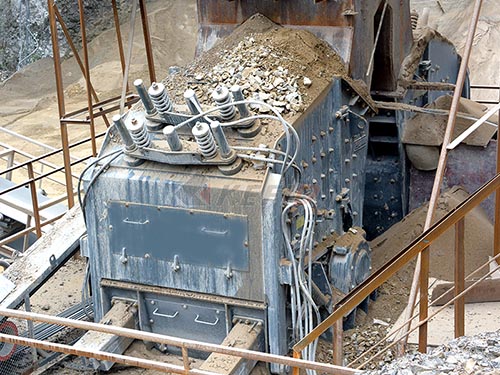
4. Logistics and Import Compliance
Importing a crushing plant is a heavy-lift logistics operation. Key considerations include:
- Containerization vs. Breakbulk: Smaller components (screens, conveyors, chutes) can be containerized, but crusher shells and drive motors often require flat-rack or breakbulk shipping. The procurement plan must specify the maximum allowable package dimensions and weight to avoid port handling surcharges.
- Customs Classification and Duties: Iron ore crushing equipment falls under HS Code 8474 (Machinery for sorting, screening, separating, washing, crushing, grinding). Import duties vary by country—ranging from 0% in free trade zones to 25% in protective markets. The buyer should engage a customs broker early to classify components correctly, as misclassification can lead to penalties and demurrage. Additionally, some countries require pre-shipment inspection (e.g., by SGS or Bureau Veritas) to verify the equipment’s condition and conformity with the purchase order.
- Incoterms and Insurance: Marine cargo insurance should be on an “All Risks” basis, including Institute Cargo Clauses (A), with a declared value covering replacement cost plus freight. For high-value items, a separate project cargo insurance policy is recommended.
- Port Infrastructure: The destination port must have adequate crane capacity (e.g., mobile harbor cranes with 100-tonne lift) and storage area for oversized cargo. If the plant is destined for an inland site, the buyer must assess road or rail bridge weight limits and obtain special transport permits.
5. Installation, Commissioning, and Performance Testing
The procurement contract should not end at delivery. A structured installation and commissioning phase is critical. The buyer must decide whether to use the OEM’s supervisors (typically billed at $800–$1,500 per day plus travel) or rely on local contractors. For complex plants, OEM supervision is mandatory for the first 30 days of mechanical erection and during the cold and hot commissioning phases.
Performance testing should be conducted over a continuous 72-hour run at full load, using representative ore samples. The acceptance criteria include:
- Throughput: Achieve 100% of guaranteed tph, with a tolerance of ±5%.
- Product Gradation: The percentage of oversize and undersize material must meet the specified limits (e.g., less than 5% oversize above 31.5 mm).
- Power Consumption: Specific energy consumption (kWh per tonne) should not exceed the guaranteed value by more than 10%.
- Noise and Dust Emissions: Compliance with local environmental regulations.
A successful performance test triggers the final payment and the start of the warranty period (typically 12–24 months). The warranty must cover defects in materials and workmanship, but not normal wear parts (e.g., liners, screens).
6. Total Cost of Ownership and Lifecycle Management
The initial purchase price of an imported crushing plant is only a fraction of its TCO. A professional procurement strategy must model the following over a 10-year horizon:
- Spare Parts Inventory: Critical spares (crusher shafts, bearings, hydraulic pumps) should be stocked locally to avoid downtime. The procurement contract should include a recommended spare parts list with pricing, and the buyer should negotiate a 10% discount on future parts purchases for the first five years.
- Maintenance Contracts: Many OEMs offer predictive maintenance programs using vibration analysis and oil sampling. These contracts, while adding 3–5% to annual operating costs, can reduce unplanned downtime by up to 30%.
- Energy Costs: Crushing is energy-intensive. A 1,000 tph plant may consume 8–12 MW of power. The procurement specification should mandate high-efficiency motors (IE3 or IE4) and variable frequency drives (VFDs) for conveyors and screens.
- Residual Value: Well-maintained, modular plants retain 30–40% of their value after 10 years, which is relevant for asset accounting and potential resale.
7. Risk Mitigation and Contractual Safeguards
Importing capital equipment inherently involves risks: currency fluctuation, political instability in the supplier’s country, and supply chain disruptions. Mitigation strategies include:
- Currency Hedging: If the contract is denominated in USD or EUR, the buyer should hedge against local currency depreciation.
- Force Majeure Clauses: These must be carefully drafted to exclude supplier negligence and to define the right to terminate and recover advance payments if the delay exceeds 180 days.
- Performance Bonds: The supplier should provide a 10% performance bond, valid until the end of the warranty period.
- Dispute Resolution: Arbitration under ICC rules in a neutral venue (e.g., Singapore or London) is preferable to litigation in the supplier’s home jurisdiction.
Conclusion
The procurement of an imported iron ore crushing plant is a multi-disciplinary endeavor that demands technical rigor, commercial acumen, and logistical precision. A successful outcome is not measured by the lowest bid price but by the plant’s ability to deliver consistent throughput, product quality, and operational uptime over its economic life. By systematically addressing technical specifications, supplier qualification, Incoterms, logistics, commissioning, and TCO, the buyer can transform a high-risk capital purchase into a strategic asset. The key takeaway is that procurement is not a transactional event but a lifecycle partnership—one that requires clear performance guarantees, robust contractual safeguards, and a proactive approach to after-sales support. In a volatile global iron ore market, a well-procured crushing plant provides the operational resilience that separates leading steelmakers from marginal players.
