Title: Comprehensive Analysis of Slag Crusher Plant Producer Quotation: Key Factors, Cost Structures, and Procurement Strategies
Introduction
In the global metallurgical and construction industries, slag—a byproduct of steelmaking, smelting, and other high-temperature processes—has transitioned from waste to a valuable resource. The processing of slag into reusable aggregates, cementitious materials, or road base requires specialized equipment, with the slag crusher plant at the core of this operation. For project managers, procurement officers, and plant operators, obtaining a precise and competitive Slag Crusher Plant Producer Quotation is a critical step in capital investment. This article provides an in-depth, professional, and objective examination of what constitutes a slag crusher plant quotation, the factors influencing pricing, the typical cost breakdown, and strategic considerations for buyers. The content is designed to exceed 1000 words and serve as a definitive guide for industry stakeholders.
1. Understanding the Slag Crusher Plant: Scope and Variability
Before analyzing quotations, it is essential to define the equipment. A slag crusher plant is not a single machine but an integrated system comprising primary jaw crushers, secondary cone or impact crushers, vibrating feeders, magnetic separators (for ferrous metal recovery), screens, conveyors, and dust suppression systems. The complexity of the plant directly correlates with the type of slag (e.g., blast furnace slag, steel slag, ferroalloy slag) and the desired end-product specifications.
A quotation from a producer will vary dramatically based on:
- Capacity: Measured in tons per hour (TPH). Small-scale plants (50-100 TPH) have different cost structures than large-scale installations (300-500 TPH).
- Automation Level: Manual, semi-automatic, or fully PLC-controlled systems.
- Material Hardness: Steel slag is notoriously abrasive and hard, requiring wear-resistant components (e.g., manganese steel liners, ceramic inserts), which increase cost.
- End-Product Requirements: Whether the output is for road base (0-40mm), concrete aggregate (0-20mm), or fine powder for cement (0-5mm).
A quotation is therefore a customized document, not a generic price list.
2. Anatomy of a Professional Slag Crusher Plant Quotation
A credible producer’s quotation should be transparent and detailed. It typically includes the following sections:
2.1. Technical Specifications and Bill of Materials (BOM)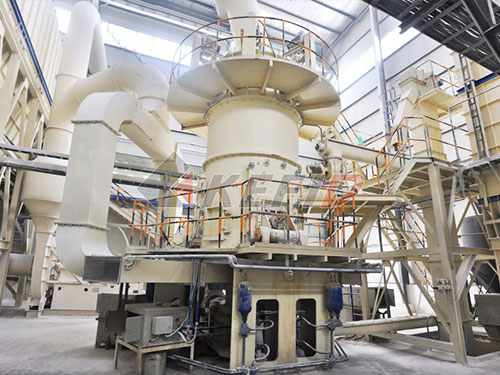
- Primary Crusher: Model, feed opening size, motor power (kW), and throughput.
- Secondary/Tertiary Crusher: Type (cone, impact, or vertical shaft impact), crushing chamber configuration, and adjustment range.
- Screening Section: Number of decks, screen area, and mesh sizes.
- Magnetic Separation: Overband or drum-type magnets, strength (Gauss), and recovery rate.
- Conveying System: Belt width, length, and motor power.
- Dust Control: Wet scrubbers, bag filters, or dry fog systems.
2.2. Pricing Structure
- Ex-Works Price: The cost of the plant at the producer’s factory, excluding shipping, taxes, and installation.
- Optional Add-ons: Spare parts kits (e.g., jaw plates, blow bars, screen panels), extended warranties, or remote monitoring systems.
- Installation and Commissioning: Labor costs, supervision fees, and duration.
- Freight and Logistics: Based on destination (domestic vs. international), containerization, or bulk shipping.
- Taxes and Duties: Applicable VAT, customs duties, or import tariffs.
2.3. Payment Terms and Delivery Schedule
- Typical terms: 30% advance, 60% against shipping documents, 10% after commissioning.
- Lead time: 8-16 weeks for standard plants; 20+ weeks for custom designs.
2.4. After-Sales Support
- Warranty period (usually 12-24 months).
- Availability of local service engineers or remote troubleshooting.
- Training for operators and maintenance staff.
3. Key Factors Influencing the Quotation Price
Understanding the drivers of cost helps buyers evaluate whether a quotation is competitive or inflated.
3.1. Raw Material and Component Quality
- Crusher Chambers: High-chrome or manganese steel for wear parts. Premium materials can increase the quotation by 15-25% but extend service life by 2-3 times.
- Motors and Drives: Energy-efficient motors (IE3/IE4) versus standard ones. Variable frequency drives (VFDs) add cost but reduce energy consumption.
- Electrical Components: Use of branded PLCs (Siemens, Allen-Bradley) vs. generic alternatives.
3.2. Engineering and Customization
- Standard plants are cheaper. Customized layouts for confined spaces, mobile/skid-mounted configurations, or integration with existing systems incur additional engineering fees (5-10% of total cost).
3.3. Geographic Location of Producer
- Producers in China, India, or Turkey often offer lower ex-works prices due to lower labor and manufacturing costs. However, freight and import duties may offset savings.
- European or North American producers typically quote higher but may offer superior automation, compliance with local safety standards (CE, UL), and faster spare parts availability.
3.4. Market Conditions
- Fluctuations in steel prices directly affect crusher component costs.
- Currency exchange rates impact international quotations.
- Supply chain disruptions (e.g., shipping container shortages) can inflate freight costs.
4. Typical Cost Ranges for Slag Crusher Plants (2024-2025 Estimates)
The following are approximate ranges based on industry data and should be used as a benchmark:
- Small Plant (50-100 TPH, basic automation): $150,000 – $350,000 USD (ex-works).
- Medium Plant (150-250 TPH, semi-automatic, magnetic separation): $400,000 – $800,000 USD.
- Large Plant (300-500 TPH, fully automated, dust control, multi-stage crushing): $900,000 – $2,500,000 USD.
- Mobile/Skid-Mounted Plant (100-200 TPH): $500,000 – $1,200,000 USD.
Note: These figures exclude civil works, foundation, and site preparation, which can add 20-30% to the total project cost.
5. How to Evaluate and Compare Quotations Objectively
Receiving multiple quotations is standard practice. However, comparing them requires a systematic approach.
5.1. Normalize the Scope
Ensure all quotations are based on the same input parameters: feed material (slag type, moisture content, size), required output specifications, and capacity. A lower price for a plant that cannot handle steel slag’s abrasiveness is a false economy.
5.2. Calculate Total Cost of Ownership (TCO)
Beyond the purchase price, consider:
- Energy Consumption: kW per ton of processed material. A 10% difference in efficiency can save tens of thousands of dollars annually.
- Wear Part Replacement Frequency and Cost: Ask for guaranteed wear life (e.g., 6,000 hours for jaw plates).
- Maintenance Downtime: Plants with easy-access design reduce labor costs.
5.3. Verify Producer Credentials
- Request references from similar slag processing projects.
- Check for certifications (ISO 9001, CE, GOST).
- Visit the factory or request a virtual tour to assess manufacturing quality.
5.4. Negotiate Beyond Price
- Extended warranty periods.
- Free spare parts kit (e.g., one set of wear liners).
- On-site training included.
- Performance guarantees (throughput, product gradation).
6. Common Pitfalls in Slag Crusher Plant Procurement
- Ignoring Slag Variability: Some producers quote based on limestone crushing, not slag. Steel slag contains free lime and iron, requiring specialized crusher designs to prevent clogging and excessive wear.
- Underestimating Civil Works: A quotation may exclude foundation design, steel structures, and electrical panels. Clarify the scope of supply.
- Overlooking Environmental Compliance: Many jurisdictions require dust and noise control. A cheap plant without proper dust suppression may face fines or shutdowns.
- Choosing Price Over Reliability: A low-cost plant from an unproven producer may have poor after-sales support, leading to prolonged downtime.
7. The Role of Technology in Modern Quotations
Leading producers now incorporate digital tools into their quotations:
- 3D Plant Layouts: Visualizing the plant footprint and material flow.
- Simulation Software: Demonstrating throughput and bottleneck analysis.
- IoT-Ready Systems: Quotations may include sensors for predictive maintenance, which, while adding upfront cost, reduce long-term operational risks.
8. Conclusion: Strategic Recommendations for Buyers
Obtaining a Slag Crusher Plant Producer Quotation is not merely a transactional exercise; it is a strategic decision that impacts project profitability for years. Buyers should:
- Define Requirements Rigorously: Provide a detailed technical questionnaire to all potential producers.
- Request a Breakdown: Insist on itemized pricing for major components and services.
- Evaluate TCO, Not Just Capex: A slightly higher initial investment in quality often yields lower operating costs.
- Leverage Competition: Obtain at least three quotations from different regions (e.g., one from Asia, one from Europe, one from a local producer).
- Build a Relationship: The best quotations come from producers who understand your specific slag characteristics and long-term goals.
In an industry where margins are tight and downtime is costly, a well-analyzed quotation is the foundation of a successful slag processing operation. By applying the principles outlined in this article, procurement professionals can navigate the complexities of the market and secure a plant that delivers both performance and value.
