Bulk Slag Crusher Plant OEM Factory: Engineering Turnkey Solutions for Metallurgical By-Product Processing
Introduction
In the global metallurgical, steelmaking, and thermal power industries, the management of slag—a by-product of high-temperature smelting and combustion processes—has evolved from a disposal challenge into a strategic resource recovery opportunity. Slag contains valuable ferrous and non-ferrous metals, and when properly processed, its mineral fraction serves as a high-quality aggregate for cement, concrete, and road construction. At the center of this value chain is the bulk slag crusher plant OEM factory—an original equipment manufacturer specializing in the design, engineering, fabrication, and commissioning of complete crushing and screening systems tailored to the unique physical and metallurgical characteristics of slag.
Unlike general-purpose aggregate crushing equipment, slag processing demands customized engineering because slag is abrasive, heterogeneous, and often contains large chunks of solidified metal. This article provides a detailed, objective examination of what a bulk slag crusher plant OEM factory does, the technical considerations that define slag crushing, the equipment configurations typically employed, quality and testing standards, and the criteria by which buyers should evaluate potential OEM partners.
1. Defining the Bulk Slag Crusher Plant and the OEM Role
A bulk slag crusher plant is an integrated industrial facility designed to reduce large slag lumps—typically ranging from 300 mm to over 1,000 mm in size—into graded products such as 0–5 mm fines, 5–20 mm aggregates, and recovered scrap metal. The term “bulk” refers to the plant’s capacity to handle high throughputs, often from 50 tons per hour (TPH) to over 500 TPH, depending on the source (blast furnace slag, steel slag, copper slag, or boiler slag).
An OEM factory in this context is not merely a vendor of individual crushers. It is an engineering house that:
- Conducts material characterization and test crushing;
- Develops process flow diagrams (PFDs) and plant layouts;
- Manufactures or integrates core equipment (jaw crushers, impact crushers, cone crushers, vibrating screens, feeders, magnetic separators);
- Provides structural steel, chutes, conveyors, and electrical control systems;
- Oversees installation, commissioning, and operator training;
- Offers after-sales service, spare parts, and performance guarantees.
The OEM model ensures single-source accountability for plant performance, which is critical when processing a material as variable as slag.
2. Technical Challenges Unique to Slag Crushing
Slag is not a uniform rock. Its properties vary by furnace type, cooling method, and chemistry. Key challenges include:
- Abrasiveness: Slag often contains crystalline silica and metallic oxides that cause severe wear on crushing surfaces. OEM factories must select wear liners (e.g., high-chromium white iron, manganese steel, or ceramic composites) based on abrasion index testing.
- Metal Entrapment: Steel slag and copper slag frequently contain entrapped metal nuggets. Crushers must be designed with tramp metal protection, and magnetic separation must be integrated downstream. In some cases, hydraulic release mechanisms or unbreakable material passage systems are required.
- Heterogeneous Hardness: Slag lumps may range from friable to extremely hard. A single crusher type is rarely sufficient. OEM factories typically design multi-stage circuits: primary jaw or gyratory crushing, secondary cone or impact crushing, and tertiary VSI (vertical shaft impact) crushing for shaping.
- Dust and Fines Generation: Slag crushing generates significant dust, which must be controlled via enclosed conveyors, baghouse filters, and water spray systems to meet environmental regulations.
- Moisture and Stickiness: Some slags, particularly granulated blast furnace slag, can be moist and sticky, requiring specialized feeders and screen decks with anti-blinding features.
An experienced OEM factory addresses these challenges through simulation software (e.g., discrete element modeling), pilot-scale testing, and reference installations.
3. Typical Equipment Configuration in a Bulk Slag Crusher Plant
While every plant is customized, a representative OEM-designed bulk slag crusher plant may include:
- Receiving Hopper and Apron Feeder: Heavy-duty hopper with grizzly bars to scalp oversized lumps; apron feeder for controlled, high-impact feeding.
- Primary Crusher: A single-toggle jaw crusher or hydraulic gyratory crusher for primary reduction to approximately 150–200 mm. Jaw crushers are favored for their ability to handle large, slab-like slag pieces.
- Pre-Screening: A heavy-duty scalping screen removes fines and small metal before secondary crushing, reducing load on downstream equipment.
- Secondary Crusher: A cone crusher (for hard, abrasive slag) or horizontal shaft impactor (for less abrasive slag with higher fines requirement). Cone crushers offer better reduction ratios and wear life in abrasive applications.
- Magnetic Separation: Overband magnets and cross-belt magnets recover ferrous metal at multiple points. For stainless or non-ferrous metals, eddy current separators may be added.
- Tertiary Crusher (Optional): A VSI crusher for shaping and producing manufactured sand from slag.
- Screening Station: Multi-deck vibrating screens classify products into 0–5 mm, 5–10 mm, 10–20 mm, and +20 mm fractions. Screens are often equipped with polyurethane or rubber decks to resist abrasion and blinding.
- Conveying and Stockpiling: Belt conveyors with dust covers and telescopic chutes for stockpiling.
- Control System: PLC-based automation with SCADA interface for monitoring crusher load, belt weight, and metal detection.
The OEM factory determines the optimal combination based on feed size, throughput, product specification, and site constraints.
4. Design and Engineering Capabilities of a Qualified OEM Factory
A credible bulk slag crusher plant OEM factory should possess the following capabilities:
- In-house R&D and Testing: Laboratory jaw crushers, impact testers, and abrasion index testers to characterize slag samples. Pilot plant trials for flow sheet validation.
- 3D CAD and FEA: Finite element analysis for structural integrity of crusher frames, shafts, and plant structures under dynamic loads.
- Manufacturing Facilities: CNC machining, automatic welding, heat treatment, and assembly lines with quality control at each stage.
- Global Standards Compliance: CE, ISO 9001, and where applicable, ATEX or IECEx for electrical components in dusty environments.
- Project Management: Dedicated engineers for schedule, budget, and interface management.
- Documentation: Operation and maintenance manuals, spare parts catalogs, and as-built drawings.
Without these capabilities, an OEM cannot guarantee plant availability, which in slag processing often targets 85% or higher.
5. Quality Assurance and Performance Testing
OEM factories must implement rigorous QA/QC protocols. Critical inspection points include: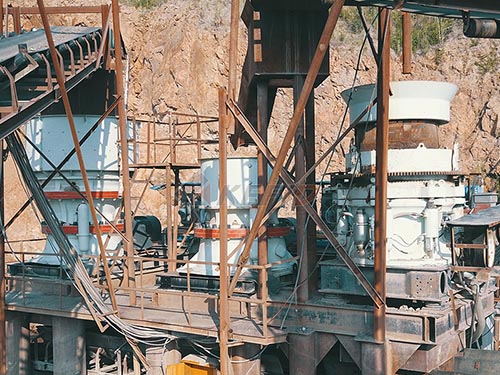
- Raw material certification for wear parts (e.g., manganese content in jaw plates).
- Dimensional inspection of crusher frames and bearing bores.
- Dynamic balancing of rotors and flywheels.
- No-load and load testing of individual equipment before shipment.
- Factory acceptance test (FAT) with simulated or actual slag samples.
- Site acceptance test (SAT) after installation, including capacity, product gradation, and metal recovery rate verification.
Performance guarantees typically cover throughput (TPH), product size distribution, metal recovery efficiency, and power consumption per ton. Penalties or bonuses may be tied to these metrics.
6. Selection Criteria for Buyers: How to Evaluate an OEM Factory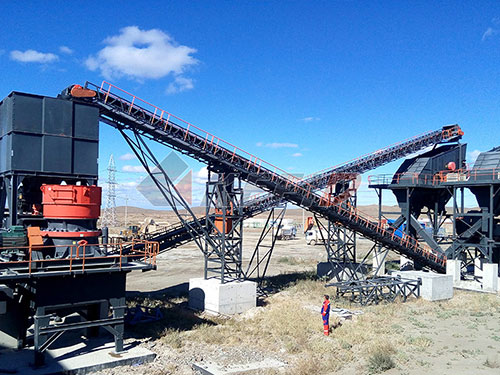
When sourcing a bulk slag crusher plant, buyers should assess potential OEM factories on:
- Proven References: Ask for installations processing similar slag types (e.g., electric arc furnace slag, converter slag, or incineration bottom ash). Site visits are invaluable.
- Customization vs. Standardization: A good OEM balances modular standard components with custom-designed sections to reduce cost and lead time without compromising fit.
- Wear Part Strategy: Availability of local or regional spare parts, and the use of interchangeable wear liners.
- After-Sales Support: Remote diagnostics, on-site service teams, and guaranteed response times.
- Total Cost of Ownership (TCO): Compare not only capital expenditure but also energy consumption, wear part life, and maintenance labor.
- Environmental Compliance: Dust suppression, noise enclosures, and water recycling systems.
- Financial Stability: An OEM that may not exist in ten years cannot support a plant with a 20-year design life.
7. Market Trends and Future Directions
The bulk slag crusher plant market is influenced by several trends:
- Resource Recovery Mandates: Increasingly strict landfill regulations in the EU, China, and India are driving investment in slag processing.
- Metal Recovery Efficiency: Advanced sensor-based sorting (X-ray, LIBS) is being integrated with traditional magnetic separation to recover valuable metals like copper, nickel, and chromium.
- Modular and Mobile Plants: For temporary or remote slag dumps, OEM factories now offer semi-mobile and tracked plants that can be relocated.
- Digitalization: IoT sensors for predictive maintenance, real-time production dashboards, and AI-based optimization of crusher settings.
- Carbon Footprint Reduction: Using slag as a cement substitute reduces CO₂ emissions; OEM factories are thus indirectly contributing to green construction.
Conclusion
A bulk slag crusher plant OEM factory is a specialized engineering partner that transforms a problematic industrial by-product into valuable construction materials and recoverable metals. The complexity of slag—its abrasiveness, metal content, and variability—demands more than off-the-shelf equipment. It requires a factory with deep application knowledge, robust manufacturing, and a commitment to lifecycle support. For buyers, the selection of an OEM should be based on demonstrated experience, transparent testing, and a clear understanding of total cost of ownership. As global industries pursue circular economy goals, the role of these OEM factories will only grow in importance, enabling the efficient, safe, and profitable processing of bulk slag at scale.
