Bespoke Slag Crusher Plant Makers: Engineering Efficiency from Industrial By-Product

In the demanding landscape of modern heavy industry and metal production, the efficient handling and processing of by-products are not merely an afterthought but a critical component of operational profitability and environmental stewardship. Slag, a glass-like by-product left over after the desired metal has been separated from its raw ore, presents both a challenge and an opportunity. Transforming this abrasive, variable, and often massive-volume material into valuable secondary aggregates or facilitating its safe disposal requires robust, intelligent machinery. This is where the niche expertise of Bespoke Slag Crusher Plant Makers becomes indispensable. These specialized engineering firms do not sell off-the-shelf solutions; they design, engineer, and fabricate complete processing systems tailored to the unique mineralogical, physical, and throughput requirements of each client’s slag stream.

Understanding the Raw Material: The Nature of Slag

To appreciate the bespoke approach, one must first understand slag’s complexities. Its characteristics vary dramatically based on the source:

  • Blast Furnace Slag (Iron): Dense, crystalline, and highly abrasive.
  • Steel Slag (BOF/EAF): Often contains remnant iron (ferrous content), is more heterogeneous, and can be expansive if not properly aged and processed.
  • Non-Ferrous Slag (e.g., Copper, Nickel): Can have different hardness profiles and potential chemical reactivity.

Key variables influencing plant design include:Bespoke Slag Crusher Plant Makers
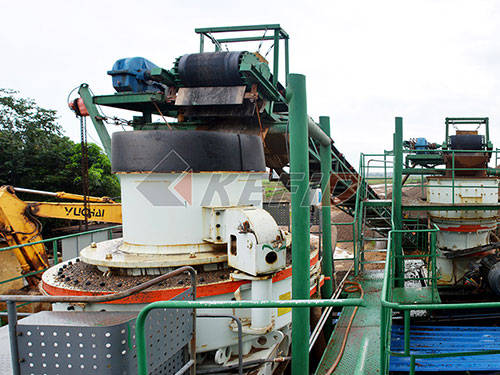
  • Feed Size: From large furnace tap blocks weighing several tons to pre-broken chunks.
  • Abrasiveness: Directly impacts wear material selection and machine design.
  • Moisture Content: Affects material flow and potential for clogging.
  • Desired End Product: Specification for aggregate size (e.g., 0-5mm for sand substitute, 20-40mm for railway ballast) dictates the crushing stages required.
  • Throughput Capacity: Ranging from 50 to over 1000 tons per hour.

A one-size-fits-all crusher plant would fail catastrophically under such diverse conditions. Hence, the bespoke philosophy is not a luxury but a necessity.Bespoke Slag Crusher Plant Makers

The Bespoke Design Philosophy: A Collaborative Engineering Process

Bespoke slag crusher plant makers operate as partners rather than mere vendors. The process is deeply collaborative and iterative:

  1. Comprehensive Site & Material Analysis: It begins with an in-depth audit. Engineers analyze slag samples for chemical composition, abrasion index (e.g., AI, BWI), and crushability. They study site constraints, existing infrastructure, feed and discharge points, and spatial limitations.

  2. Process Flow Sheet Development: This is the conceptual blueprint. Based on analysis, engineers create a detailed Process Flow Diagram (PFD). It defines the number of crushing stages (primary, secondary, tertiary), the optimal type of crusher for each stage (jaw crusher for primary reduction of large blocks, cone crusher for secondary hardening shaping impact crusher for softer slags or tertiary shaping), and the necessary auxiliary units.

  3. Equipment Selection & Customization: This is the core of bespoke manufacturing. While standard crusher frames might be used, critical components are customized:

    • Wear Parts: Liners, jaws mantles blow bars are manufactured from specific grades of manganese steel martensitic steel or even ceramic composites to match the slag’s abrasiveness.
    • Drive Systems: Motors gearboxes are sized not just for power but for optimal torque characteristics to handle shock loads from uncrushable material tramp metal).
    • Special Features: Integrated tramp iron protection systems like hydraulic release or automatic reset non-choke feeding arrangements adjustable breaker plates to control product gradation.
  4. Plant Layout & Integration Design: The maker designs the entire plant layout for optimal material flow minimal transfer points reduced dust generation easy maintenance access Modular designs are common allowing for pre-assembled sections that reduce onsite installation time cost.

  5. Automation & Control Systems: A modern bespoke plant includes a sophisticated control system PLC-based) that monitors power draw feed rates conveyor speeds providing automated load regulation fault diagnostics data logging for performance optimization predictive maintenance.

Key Components of a Bespoke Slag Crushing Plant

A typical turnkey system includes several customized elements:

  • Receiving & Pre-Screening Unit: Might include a heavy-duty apron feeder or vibrating grizzly feeder to bypass fine material already at size regulate feed to primary crusher.
  • Primary Crushing Station: Often a robust jaw crusher or gyratory crusher designed with extra-heavy frames oversized bearings to handle massive slabby feed.
  • Magnetic Separation Circuit: Critical especially for steel slag Customized overband cross belt magnetic separators are strategically placed often after primary crushing to extract remnant ferrous metal which becomes a valuable scrap product protecting downstream machinery from damage.
  • Secondary & Tertiary Crushing Stages: Configured in open closed circuit Cone crushers with hydraulic adjustment clearing are favored here for consistent product shape Inter-stage screens classifiers ensure efficiency.
  • Screening Towers Multi-Deck Vibrating Screens): High-capacity screens with wear-resistant screen meshes decks segregate material into precise final product fractions.
  • Material Handling Conveyors Transfer Points): Custom-designed conveyors with impact zones sealed chutes dust containment skirts Wear liners at all transfer points are meticulously engineered.
  • Dust Suppression Extraction System): A tailor-made system combining targeted water spray nozzles at crusher outlets screen decks enclosed baghouse filter systems to meet stringent workplace environmental air quality standards.

The Tangible Benefits of Going Bespoke

Investing in a custom-engineered plant yields significant long-term returns:

  • Maximized Uptime & Reliability: Equipment matched to duty minimizes breakdowns unscheduled downtime from wear failure.
  • Optimized Operational Cost (OPEX): Higher efficiency lower power consumption per ton crushed Reduced wear part consumption longer intervals between changeouts directly lower operating costs.
  • Superior Product Quality Consistency: Ability to fine-tune crushing parameters produce in-spec aggregate consistently enhances marketability slag products.
  • Enhanced Safety & Environmental Compliance: Integrated safety features walkways ladders guarding designed in from start Dust noise control engineered as part core system ensuring compliance.
  • Space Efficiency Future Flexibility): A plant designed fit specific site footprint makes best use available space Design often incorporates modularity allow future expansion modification as feedstock end-product requirements evolve.

The Market Landscape Selecting a Partner

The market comprises specialized mid-size engineering firms with deep metallurgical mineral processing expertise often based in traditional industrial hubs Europe North America India China Key differentiators include:

  • In-house design fabrication capability
  • Test crushing facilities pilot plants
  • Portfolio reference plants similar slag types
  • After-sales service technical support lifecycle support

When selecting a bespoke maker due diligence should focus their experience with specific slag type depth engineering team commitment R&D wear technology post-commissioning support structure.

Conclusion: Beyond Crushing Towards Circular Economy Integration

Bespoke slag crusher plant makers are enablers of industrial sustainability They transform liability waste stream into valuable resource high-quality construction aggregate cement raw material road base material Their work sits at heart circular economy model metal production By providing technology that is resilient efficient precisely calibrated they allow industries close loop on materials reduce quarrying virgin aggregates minimize landfill dependence Ultimately these specialists provide not just machinery but complete processing solution engineered from ground up ensure that nothing not even leftover slag goes waste Their role will only grow as global emphasis resource efficiency environmental responsibility continues intensify making their bespoke engineering solutions cornerstone modern responsible industrial practice

Leave Message

*

If you have any questions about our products, please feel free to contact us. We take all inquiries and suggestions very seriously.