
ISO Certified Crushing and Screening Equipment Exporters: Ensuring Quality, Compliance, and Global Reliability
In the global aggregates, mining, construction, and recycling industries, the demand for high-performance crushing and screening equipment continues to rise. As infrastructure projects expand across emerging economies and established markets alike, buyers increasingly prioritize not only technical capability but also verifiable quality management. This is where ISO-certified crushing and screening equipment exporters play a pivotal role. By adhering to internationally recognized standards—most notably ISO 9001 for quality management systems—these exporters provide a level of assurance that equipment will perform reliably, safely, and consistently across diverse operating environments.
This article examines the significance of ISO certification among exporters of crushing and screening machinery, the specific standards that matter most, the operational and commercial benefits, and the criteria buyers should use when selecting a supplier.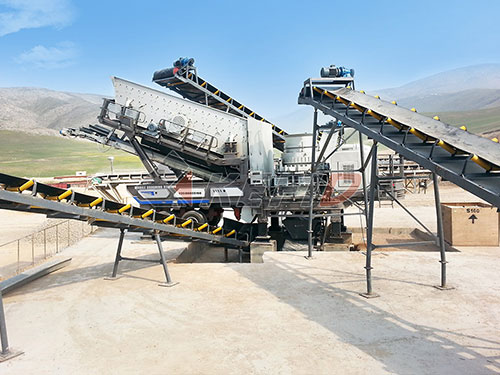
Understanding ISO Certification in the Crushing and Screening Sector
The International Organization for Standardization (ISO) develops voluntary, consensus-based standards that support innovation and quality. For manufacturers and exporters of heavy equipment such as jaw crushers, cone crushers, impact crushers, vibrating screens, and mobile crushing plants, several ISO standards are particularly relevant:
An exporter that holds ISO 9001 certification has undergone independent audits to verify that its quality management system meets international requirements. This is not a one-time achievement; certification requires ongoing surveillance audits, typically annually, and recertification every three years.
Why ISO Certification Matters for Exporters
For exporters, ISO certification is more than a marketing badge. It addresses several practical and commercial realities:
Consistency Across Borders – Crushing and screening equipment is often shipped to remote locations with limited access to spare parts or technical support. ISO 9001 ensures that manufacturing processes are standardized, reducing the likelihood of defects or performance variations between units.
Regulatory and Procurement Requirements – Many large mining companies, government infrastructure agencies, and engineering, procurement, and construction (EPC) contractors mandate ISO 9001 certification as a precondition for bidding. Without it, exporters are excluded from major tenders.
Risk Mitigation – ISO 45001 and ISO 14001 help exporters demonstrate that they manage safety and environmental risks. This is particularly important when equipment will be used in jurisdictions with strict liability laws or environmental regulations.
Customer Confidence – For buyers in Africa, Latin America, Southeast Asia, and the Middle East, ISO certification serves as a proxy for reliability. It reduces the perceived risk of sourcing from unfamiliar suppliers.
Key Characteristics of ISO-Certified Crushing and Screening Equipment Exporters
Not all exporters that claim ISO certification are equal. A credible ISO-certified exporter typically exhibits the following characteristics: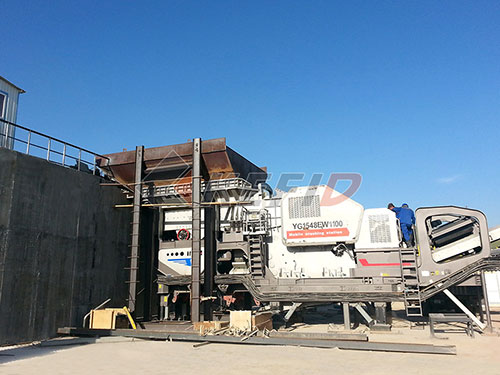
Product Range and Technical Considerations
ISO-certified exporters offer a wide range of crushing and screening equipment. Common categories include:
When evaluating an ISO-certified exporter, buyers should verify that the certification scope covers the specific equipment types being purchased. A certificate for “manufacture of mining machinery” may not automatically cover all product lines. The exporter should provide a certificate with a clear scope statement and a valid accreditation body logo (e.g., ANAB, UKAS, IAF).
Commercial and Operational Benefits for Buyers
Buying from an ISO-certified exporter yields tangible benefits:
Challenges and Limitations
ISO certification is not a guarantee of perfection. Some exporters obtain certification but fail to maintain it properly. Others may have a certificate that is expired, suspended, or issued by an unaccredited body. Buyers should:
Additionally, ISO certification does not replace the need for a detailed technical specification, performance guarantees, and a clear commercial contract. It is a baseline, not a substitute for due diligence.
How to Select an ISO-Certified Crushing and Screening Equipment Exporter
A structured selection process includes:
Conclusion
ISO-certified crushing and screening equipment exporters represent the gold standard in a global market where quality, safety, and environmental responsibility are non-negotiable. Certification to ISO 9001, ISO 14001, and ISO 45001 provides buyers with verifiable assurance that an exporter has the systems, processes, and discipline to deliver reliable equipment and support. While ISO certification alone does not guarantee success, it significantly reduces risk and opens doors to major projects. For buyers seeking durable, high-performance crushing and screening solutions, prioritizing ISO-certified exporters is a prudent and strategic decision. As global infrastructure and mining demands continue to grow, the role of these certified exporters will only become more central to the industry’s supply chain.
If you have any questions about our products, please feel free to contact us. We take all inquiries and suggestions very seriously.