
The ball mill, a seemingly simple cylindrical device, is in fact one of the most versatile and widely used pieces of equipment in industrial processing. Its core function is to reduce the size of materials and facilitate their physical or chemical transformation through the principle of impact and attrition. From mining and cement production to pharmaceuticals and advanced ceramics, the ball mill’s ability to grind, blend, and homogenize materials has made it an indispensable tool across countless sectors. This article delves into its working principles, design variations, applications, and technological advancements.
At its heart, a ball mill operates on a straightforward mechanical principle: rotation-induced kinetic energy transfer. The mill consists of a hollow cylindrical shell that rotates around its horizontal or slightly inclined axis. The shell is partially filled with grinding media—historically and most commonly, hardened steel balls (hence the name), but also ceramic pebbles, flint stones, or cylpebs (cylindrical rods).
The material to be ground (the “feed”) is introduced into the cylinder. As the shell rotates, the grinding media are lifted along the rising side until they reach a dynamic equilibrium point where gravity overcomes centrifugal force. At this apex, they cascade or cataract down onto the material below. Size reduction occurs through two primary mechanisms:
The efficiency of this process is governed by several critical parameters:
While sharing core principles, ball mills are engineered in various configurations to suit specific process requirements:
By Orientation & Operation:
By Process Method:
Specialized Types:
The ball mill’s ubiquity stems from its adaptability across diverse fields:
Modern ball milling has evolved far beyond simple brute-force grinding Key advancements include:
Advanced Control Systems: Modern mills integrate sophisticated instrumentation measuring noise vibration bearing pressure motor load Particle size analyzers online provide real-time feedback Automated control systems adjust feed rate water addition separator speed optimize performance maximize throughput minimize energy consumption per ton
High-Efficiency Classifiers: Closed-circuit systems pair ball mills with dynamic air classifiers Material discharged from mill transported classifier separates oversize particles returned regrind fines collected product This drastically improves efficiency prevents overgrinding reduces energy waste up %
Liner & Media Innovation: Wear-resistant materials rubber composite metal liners extend service life reduce maintenance downtime Media shapes beyond spheres rods designed enhance grinding efficiency specific applications Chrome molybdenum steel alumina zirconia ceramics chosen based wear corrosion requirements
Drive System Improvements: Traditional gear/pinion drives replaced ring motors gearless drives large mills eliminating alignment issues improving reliability efficiency Variable frequency drives VFDs allow precise speed control adapting different materials process stages
Focus on Energy Efficiency: Grinding notoriously energy-intensive accounting significant portion plant operating cost Innovations aim reduce specific energy consumption kWh/t Through optimized design better control systems alternative technologies stirred mills high-pressure grinding rolls HPGR pre-crushing stages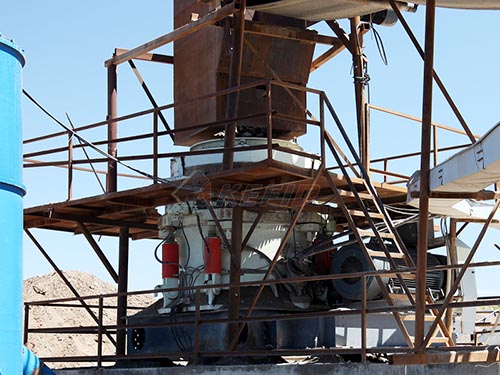
Despite its utility faces notable challenges Primary among them immense energy consumption Industry continuously seeks balance between fineness requirements power usage Wear abrasion liners media generate ongoing replacement costs operational downtime Noise pollution significant requiring acoustic enclosures engineering controls Dust generation particularly dry milling necessitates robust baghouse filtration systems environmental compliance worker safety Potential contamination critical industries pharmaceuticals food processing necessitates careful selection inert milling materials rigorous cleaning protocols
From rudimentary stone mills ancient civilizations today’s computer-controlled behemoths journey epitomizes industrial evolution Its fundamental principle elegant simplicity combined relentless incremental innovation engineering materials science process control ensured enduring relevance global manufacturing supply chains As demands finer particles complex advanced materials stricter environmental standards grow continues adapt Future likely see greater integration digital twins predictive maintenance artificial intelligence optimize performance real-time further hybridization complementary technologies like HPGR achieve ultimate efficiency While newer technologies emerge unique combination robustness versatility cost-effectiveness ensures will remain cornerstone comminution blending processes foreseeable future testament brilliant enduring solutions often lie mastering perfecting seemingly simple mechanical actions grand industrial scale
If you have any questions about our products, please feel free to contact us. We take all inquiries and suggestions very seriously.