
In the world of aggregate production for construction, mining, and infrastructure development, the 250-300 tons per hour (TPH) stone crushing plant represents a critical mid-to-large-scale production solution. This capacity range is a sweet spot for many contractors and quarry operators, balancing significant output with manageable capital investment and operational complexity. This article provides a detailed, professional analysis of such plants, focusing on their configuration, the landscape of dealers and manufacturers, and the multifaceted factors that determine their prices.
A 250-300 TPH plant is designed to process hard rock (like granite, basalt) or medium-hard rock (limestone, dolomite) into various aggregate sizes—from coarse base materials (e.g., 1.5″) to fine chips and even sand if configured with a sand-making module. It is not a single machine but a complete system, or “crushing circuit,” typically composed of several key stages: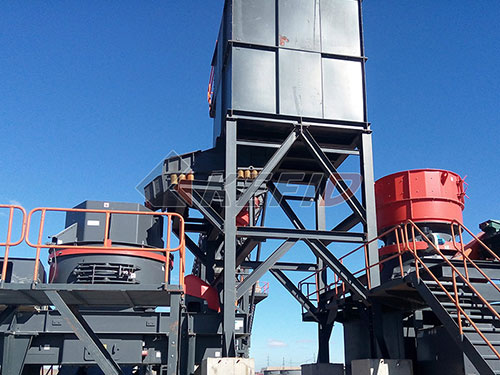
The plant can be configured as:
When sourcing a 250-300 TPH plant, buyers navigate a diverse ecosystem of dealers and manufacturers.
1. Global Original Equipment Manufacturers (OEMs) & Their Dealers:
These companies set the benchmark for technology, reliability, and after-sales support.
2 Major Chinese Manufacturers & Their Export Channels
Companies like SBM Shanghai Zenith Liming Heavy Industry YIFAN Machinery have made massive strides They offer technologically competent plants at significantly lower initial capital cost
3 Regional & Local Fabricators
In many markets especially India Turkey Italy local engineering firms design fabricate assemble plants using sourced components crushers from reputed makers motors screens etc They offer high customization competitive pricing but variable quality Technical expertise resides with the fabricator making their selection critical
The price for a complete turnkey 250300 TPH stationary crushing plant is rarely a simple figure It typically ranges from $25 million USD on the very low end basic Chinese configuration to over $75 million USD for a premium automated Western setup Several core factors drive this wide range
1 Core Equipment Quality & Brand
This is the single largest cost driver
2 Plant Configuration & Complexity
A threestage closedcircuit plant jaw+cone+cone+VSI will cost substantially more than simpler twostage jaw+cone setup requiring more conveyors screens chutes steelwork Electrical complexity automation level PLC vs manual control adds %%
3 Mobility & Foundation Requirements
Trackmounted mobile fleet achieving TPH requires multiple units total investment can rival stationary plants but offers mobility Skidmounted modules reduce civil costs Permanent stationary plants require significant concrete foundations structural steel which can add $k$k+
4 Ancillary Systems & Compliance
Modern plants are not just crushers Essential addons include
5 Market Forces Logistics & Dealer Markup
Steel prices currency fluctuations freight costs shipping containers heavy lift charges all impact final quote Dealer markup varies by region brand typically %%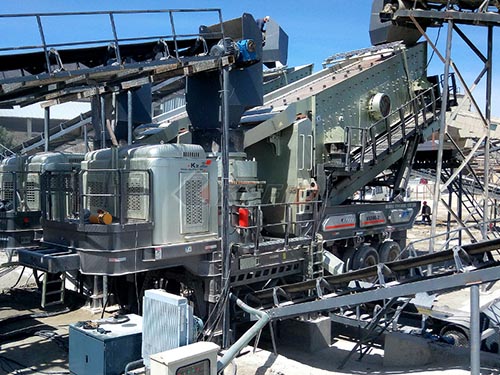
For illustrative purposes consider a midrange TPH stationary plant configured as Primary Jaw Crusher Secondary Cone Tertiary Cone VSI for sand production using reputable secondtier EuropeanChinese hybrid components
| Cost Component | Estimated Price Range USD | Notes |
|---|---|---|
| Major Crushing Units Jaw Cone VSI | $ $ million | Core of system brand dependent |
| Screening Units x Large Vibrating Screens | $ $ k | Incl drives mountings |
| Belt Conveyors Network m | $ $ k | Belts idlers drives structures |
| Steel Structures Platforms Staircases | $ $ k | Custom fabrication |
| Electrical System Motors Starters PLC Panels Cabling | $ $ k | Degree of automation critical |
| Dust Control System BaghouseDust Filters | $ $ k | Essential for environmental compliance |
| Engineering Design Commissioning | $ $ k | Often included by OEMs |
| Shipping Logistics Insurance | $ $ k+ | Highly variable by origin/destination |
| Civil Works Foundations Erection Onsite Labor Excluded from most equipment quotes buyer responsibility | ||
| Total Estimated Turnkey Price FOB Origin | ||
| LowEnd Basic Configuration Chinese OEMs Direct Simple Circuit Minimal Addons Approx ~$ million | ||
| MidRange Hybrid Components Good Automation As per breakdown above Approx ~$ million | ||
| HighEnd Premium Western Brands Full Automation Advanced Environmental Controls Approx ~$ million+ |
Choosing a dealerplant involves total cost of ownership analysis
1 Operational Costs Energy consumption is paramount Premium cone crushers often offer better tons per kWh Wear part costs cents per ton vary dramatically genuine vs aftermarket parts dealer support ensures correct metallurgy for your rock type
2 AfterSales Support Proximity of dealer service technicians availability of critical spare parts stock training programs These intangible factors prevent weeks of downtime waiting for overseas shipments
3 Flexibility Future Needs Can circuit handle slightly harder rock Is modular design allowing future addition washing system Discuss lifecycle planning with your dealer consultant not just immediate purchase
The market offers diverse pathways acquiring TPH crushing solution The premium global OEMdealer network provides security technology peace mind at higher capital outlay The directfrommanufacturer route particularly strong Chinese players offers compelling value demanding greater buyer diligence technical oversight Ultimately successful investment hinges not just negotiating lowest price but forging partnership knowledgeable reliable dealer manufacturer who understands your specific material business goals providing sustainable productive solution years come Thoroughly visiting reference sites operating similar equipment obtaining detailed lifecycle cost projections essential steps before committing multimilliondollar project
If you have any questions about our products, please feel free to contact us. We take all inquiries and suggestions very seriously.