Title: Stone Quarry Crushing Plant Distributors: Specifications, Selection Criteria, and Industry Standards
Introduction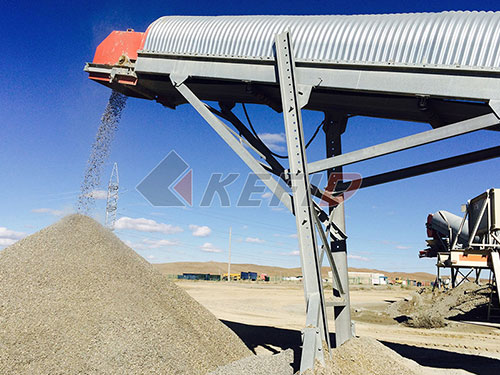
The global construction and infrastructure development sectors rely heavily on crushed stone aggregates, which are produced by stone quarry crushing plants. These plants are complex assemblies of machinery designed to reduce large rocks into specific sizes for use in concrete, asphalt, road base, and other applications. The role of distributors in this ecosystem is critical: they act as intermediaries between manufacturers and end-users, providing not only equipment but also technical support, spare parts, and after-sales service. This article provides a comprehensive, professional, and objective overview of stone quarry crushing plant distributors, focusing on the specifications they must meet, the criteria for selecting them, and the industry standards that govern their operations. The content is intended for quarry operators, procurement managers, and industry professionals seeking to understand the technical and commercial nuances of distributor specifications.
1. Understanding the Stone Quarry Crushing Plant
Before delving into distributor specifications, it is essential to understand the equipment they distribute. A typical stone quarry crushing plant consists of several key components:
- Primary Crusher: Usually a jaw crusher or gyratory crusher, which reduces run-of-mine rock (up to 1 meter in diameter) to 150–300 mm.
- Secondary Crusher: Cone crushers or impact crushers that further reduce material to 20–80 mm.
- Tertiary Crusher: Vertical shaft impactors (VSI) or high-pressure grinding rolls (HPGR) for producing fine aggregates (0–20 mm).
- Screening Equipment: Vibrating screens that separate material by size.
- Conveyor Systems: Belt conveyors for transporting material between stages.
- Control Systems: PLC-based automation for monitoring and adjusting plant parameters.
The specifications of these components—such as throughput capacity (tons per hour), power consumption (kW), reduction ratio, and product gradation—determine the plant’s overall performance. Distributors must be intimately familiar with these technical parameters to match equipment with customer needs.
2. The Role of Distributors in the Crushing Plant Supply Chain
Distributors are not mere resellers; they are value-added partners. Their responsibilities include:
- Technical Consultation: Advising on plant layout, crusher selection, and circuit design based on rock type (e.g., granite, limestone, basalt) and desired product specifications.
- Inventory Management: Stocking critical spare parts (e.g., manganese liners, bearings, belts) to minimize downtime.
- Logistics and Installation: Coordinating shipping, customs clearance, and on-site assembly.
- Training and Support: Providing operator training, maintenance manuals, and remote troubleshooting.
- Warranty and Service: Handling warranty claims and offering service contracts.
Given these responsibilities, the specifications of a distributor—both in terms of their technical capabilities and business practices—are as important as the specifications of the equipment they sell.
3. Key Specifications for Stone Quarry Crushing Plant Distributors
When evaluating a distributor, quarry operators should consider the following specifications:
3.1 Technical Expertise and Certification
A qualified distributor must demonstrate deep technical knowledge. This includes:
- Product Knowledge: Familiarity with different crusher types (jaw, cone, impact, VSI) and their applications. For example, a distributor should know that a cone crusher is ideal for hard, abrasive rock like granite, while an impact crusher is better for softer, less abrasive limestone.
- Engineering Support: Ability to provide process flow diagrams, plant layouts, and power requirement calculations. Some distributors employ in-house engineers with degrees in mechanical or mining engineering.
- Certifications: ISO 9001:2015 for quality management, ISO 14001 for environmental management, and OHSAS 18001 for occupational health and safety. These certifications indicate a commitment to standardized processes.
3.2 Product Portfolio and Brand Partnerships
Distributors typically represent one or more manufacturers. The specification of their portfolio includes:
- Brand Reputation: Partnerships with globally recognized brands (e.g., Metso, Sandvik, Terex, Kleemann) or reputable regional manufacturers.
- Range of Equipment: Coverage from primary to tertiary crushers, screens, feeders, and conveyors. A distributor with a comprehensive portfolio can offer integrated solutions rather than piecemeal equipment.
- Customization Capability: Ability to source or modify equipment for specific applications, such as mobile vs. stationary plants, or plants designed for wet vs. dry processing.
3.3 After-Sales Service and Spare Parts Availability
The true test of a distributor is their post-purchase support. Key specifications include:
- Spare Parts Inventory: Minimum stock levels for high-wear items (e.g., jaw plates, cone liners, screen mesh). A distributor should guarantee 24–48 hour delivery for critical parts.
- Service Network: Number of service centers, field service engineers, and response time (e.g., within 24 hours for emergency breakdowns).
- Maintenance Contracts: Availability of preventive maintenance programs, including regular inspections, oil analysis, and wear part replacement schedules.
3.4 Financial Stability and Warranty Terms
Distributors must be financially sound to honor warranties and provide credit terms. Specifications to check:
- Warranty Coverage: Typical warranties range from 12 to 24 months for mechanical components. The distributor should clearly state what is covered (e.g., defects in materials, workmanship) and what is excluded (e.g., normal wear, misuse).
- Payment Terms: Common terms include 30% advance payment, 60% on shipment, and 10% on commissioning. Some distributors offer financing or leasing options.
- Insurance: Proof of product liability insurance and cargo insurance during transit.
3.5 Logistics and Project Management
For large-scale plants, logistics are complex. Distributor specifications should include:
- Shipping Capabilities: Experience with heavy-lift cargo, containerized shipments, and customs documentation.
- Installation Supervision: Provision of a project manager to oversee site preparation, foundation work, and equipment erection.
- Commissioning and Testing: Performance guarantee tests to verify that the plant meets specified throughput and product quality.
3.6 Local Presence and Regulatory Compliance
Distributors must comply with local laws and industry regulations:
- Import Licenses: Valid import permits for machinery and spare parts.
- Environmental Compliance: Knowledge of local emission standards, noise regulations, and dust control requirements.
- Safety Standards: Adherence to OSHA or equivalent local safety standards for plant design and operation.
4. Industry Standards Governing Distributor Operations
Several international and regional standards define the quality and safety expectations for crushing plant distributors:
- ISO 21873-1:2015: Specifies the terminology and commercial specifications for mobile crushers.
- EN 1009-1:2020: European standard for safety requirements of crushing and screening machinery.
- ASTM D6928-10: Standard test method for resistance of coarse aggregate to degradation by abrasion in the Micro-Deval apparatus (relevant for product quality).
- CEMA (Conveyor Equipment Manufacturers Association) Standards: For conveyor system design and safety.
Distributors should be able to provide documentation showing that their equipment meets these standards.
5. How to Evaluate and Select a Distributor
The selection process should be systematic:
- Request for Quotation (RFQ): Provide detailed specifications of the required plant (capacity, feed size, product sizes, rock type). Ask for a technical proposal, not just a price list.
- Technical Audit: Visit the distributor’s warehouse, service center, and reference installations. Check the condition of spare parts inventory and the expertise of service engineers.
- Reference Checks: Contact at least three previous customers to assess reliability, response time, and after-sales support.
- Performance Guarantees: Ensure the contract includes liquidated damages for failure to meet throughput or product quality targets.
- Lifecycle Cost Analysis: Compare total cost of ownership, including initial purchase price, spare parts costs, energy consumption, and maintenance labor.
6. Common Pitfalls and How to Avoid Them
- Over-specification: Buying a plant with higher capacity than needed leads to wasted capital and higher operating costs. Distributors should help right-size the plant.
- Underestimating Wear Parts Costs: Some distributors offer low initial prices but charge exorbitant rates for spare parts. Request a wear parts price list upfront.
- Ignoring Local Support: A distributor with a global brand but no local service team can cause prolonged downtime. Prioritize distributors with a physical presence in your region.
- Neglecting Training: Without proper operator training, even the best plant will underperform. Ensure the distributor includes on-site training in the contract.
7. Future Trends in Distributor Specifications
The crushing industry is evolving, and distributor specifications must adapt:
- Digitalization: Distributors are increasingly offering remote monitoring systems (IoT) that track plant performance, predict failures, and optimize settings. Specifications should include compatibility with cloud-based platforms.
- Sustainability: Demand for electric-powered plants (instead of diesel) and dust suppression systems is rising. Distributors must offer eco-friendly options.
- Modular and Mobile Plants: For projects with short timelines, mobile crushing plants are preferred. Distributors should have expertise in rapid deployment and relocation.
- Artificial Intelligence: Some advanced distributors use AI to optimize crusher settings in real-time. This is a niche but growing specification.
Conclusion
Stone quarry crushing plant distributors are more than suppliers; they are strategic partners whose specifications directly impact the profitability and operational efficiency of a quarry. When evaluating a distributor, quarry operators must look beyond price and consider technical expertise, after-sales support, spare parts availability, financial stability, and compliance with industry standards. A well-chosen distributor ensures that the crushing plant operates at peak performance, minimizes downtime, and delivers consistent product quality. As the industry moves toward digitalization and sustainability, distributor specifications will continue to evolve, making ongoing evaluation and partnership development essential for long-term success. By adhering to the criteria outlined in this article, procurement professionals can make informed decisions that align with their operational goals and budget constraints.
