
Wholesale Quarry Sites in Lagos: A Comprehensive Specification and Operational Overview
Introduction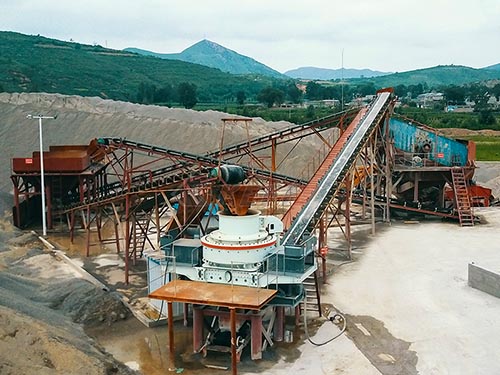
Lagos State, Nigeria’s economic nerve center, experiences relentless infrastructural expansion, driven by a population exceeding 20 million and a construction sector that consumes millions of metric tons of aggregates annually. The bedrock of this activity lies in quarry sites—operations that extract, crush, and supply granite, gravel, and stone dust. While retail purchases serve small-scale projects, the backbone of major construction—roads, bridges, high-rise buildings, and concrete batching plants—relies on wholesale quarry supply. This article provides a professional, objective specification of wholesale quarry sites in Lagos, covering geological characteristics, product classifications, operational specifications, pricing structures, regulatory compliance, logistics, and quality assurance protocols.
1. Geological and Locational Context
Lagos State is underlain predominantly by sedimentary formations, with the Dahomey Basin dominating the southern and central parts. This geology is largely unsuitable for hard-rock quarrying. Consequently, commercial quarry sites that serve Lagos are not uniformly distributed within the state’s mainland. Instead, they cluster in specific zones where basement complex rocks—specifically charnockite, granite gneiss, and migmatite—outcrop. The primary active quarry belts are:
It is essential to note that no functional hard-rock quarry exists within the immediate Lagos Island or Victoria Island areas. All wholesale supply requires haulage from the peripheral zones, typically 40–90 kilometers from central Lagos.
2. Product Specifications and Grading
Wholesale quarry sites in Lagos operate under the Nigerian Industrial Standard (NIS) and, in practice, follow British Standard (BS) 882 or ASTM C33 guidelines, adapted for local conditions. The primary products are classified as follows:
Granite Chippings (Crushed Rock Aggregates): These are the most traded wholesale commodity. Sizes are standardized:
Sharp Sand and Washed Sand: While not strictly quarry products, many wholesale sites integrate sand washing plants. Specification includes a silt content of less than 3% and a fineness modulus between 2.3 and 3.1.
Laterite (Red Earth): Sourced from borrow pits adjacent to quarry leases, used for sub-base and backfilling. Wholesale specification requires a plasticity index below 15 and a maximum particle size of 75mm.
Quarry Dust (Crusher Run): A blend of fines and small aggregates (0–20mm), sold as a compactable fill for road sub-base and foundation blinding.
3. Operational Specifications of Wholesale Quarry Sites
A wholesale-grade quarry site in Lagos must meet specific operational criteria to serve large contractors and concrete batching plants effectively.
Production Capacity: Wholesale sites typically have a crushing plant capacity of 150–400 tonnes per hour (tph). This translates to daily output of 2,500–6,000 tonnes, assuming a 16-hour double-shift operation. Smaller sites (50–100 tph) are considered retail or semi-wholesale and are unsuitable for large-scale supply contracts.
Crushing Circuit: The standard configuration includes:
Weighbridge and Loadout System: Wholesale transactions are based on tonnage, not volume. Therefore, a calibrated weighbridge (50–80-tonne capacity) with digital ticketing is mandatory. Loadout bins (silos) with controlled discharge gates ensure rapid truck turnaround—critical for maintaining fleet efficiency.
Stockpile Management: Wholesale sites maintain separate, clearly demarcated stockpiles for each product size. Stockpile heights should not exceed 6 meters to prevent segregation. The site must have a hard-standing, well-drained base to avoid contamination with clay or mud.
Water Supply and Dust Suppression: Given Lagos’s high humidity and occasional heavy rains, effective dust suppression is required. This includes water bowsers, misting cannons, and covered conveyor transfer points. The site must also have a settling pond for wash water to comply with environmental regulations.
4. Quality Control and Testing Specifications
Wholesale buyers—especially those supplying concrete to critical infrastructure—demand verifiable quality. A professional quarry site in Lagos should provide the following test certificates on request:
Reputable wholesale sites maintain an on-site laboratory or contract with accredited third-party labs (e.g., the Standards Organisation of Nigeria, SON, or private firms like Julius Berger’s lab) for weekly batch testing. The quarry’s quality manual should align with ISO 9001:2015 for process consistency.
5. Pricing Structure and Commercial Terms
Wholesale pricing in Lagos is dynamic, influenced by diesel costs, haulage distance, and seasonal demand (peak during dry season, November–March). As of 2024–2025, indicative ex-quarry prices (per tonne) are:
Wholesale discounts typically apply at thresholds:
Payment terms for wholesale buyers are usually 50% advance and 50% before dispatch, or 30-day credit for established contractors with proven track records. Delivery terms are commonly Ex-Works (buyer arranges haulage) or Delivered (quarry arranges trucks at an additional ₦1,500–₦3,000 per tonne depending on distance to Lagos Island).
6. Logistics and Haulage Specifications
Given the distance from quarry to construction site, logistics is a critical specification. Wholesale sites must have:
7. Regulatory and Environmental Compliance
Wholesale quarry sites operating legally in the Lagos supply chain must possess:
Non-compliant sites (often called “illegal quarries”) undercut prices by 20–30% but expose buyers to risks of seizure, poor quality, and legal liability. Professional wholesale procurement mandates verification of these documents.
8. Major Wholesale Quarry Sites and Their Specifications
The following are notable wholesale-capable sites serving Lagos (as of 2025):
9. Procurement Best Practices for Wholesale Buyers
To ensure specification compliance, wholesale buyers should:
10. Future Trends and Challenges
The wholesale quarry sector in Lagos faces three major challenges: escalating diesel costs (accounting for 40% of operating expenses), depleting accessible reserves near Ikorodu, and regulatory pressure to relocate to designated mining zones. Future specifications will likely include:
Conclusion
Wholesale quarry sites in Lagos are not mere pits with crushers; they are sophisticated industrial operations governed by precise geological, mechanical, quality, and commercial specifications. For any contractor, developer, or concrete producer, understanding these specifications—from aggregate grading curves to weighbridge protocols—is essential to avoid structural failures, cost overruns, and legal disputes. The professional buyer must treat quarry selection with the same rigor as structural design, ensuring that every tonne of aggregate meets the exacting standards required for safe, durable construction in Africa’s most dynamic megacity.
If you have any questions about our products, please feel free to contact us. We take all inquiries and suggestions very seriously.