The Global Market for Stone Quarry Crushing Plants: A Comprehensive Guide for Importers
The stone quarry crushing plant is the industrial heart of aggregate production, transforming blasted raw rock into the essential materials that build our world—from concrete and asphalt to railways and foundations. For importers, navigating the market for these complex installations is a significant undertaking that requires deep technical knowledge, precise financial planning, and strategic sourcing. This article provides a detailed, professional overview of the key considerations, components, market dynamics, and procurement strategies involved in importing a stone quarry crushing plant.
1. Understanding the Core System: Components and Configurations
A crushing plant is not a single machine but an integrated system. Its configuration depends entirely on the raw material (e.g., granite, basalt, limestone), required final products (sizes and shapes), and production capacity (tons per hour).
Primary Crushing Station: This is the first reduction point. Typically featuring a robust jaw crusher or gyratory crusher, it handles large feed material directly from the quarry face. Key considerations for importers include feed size capacity, wear resistance of manganese steel jaws, and the power of the drive system.
Secondary and Tertiary Crushing Stages: For further reduction and product shaping. Cone crushers are standard here for producing quality aggregates; they offer precise control over product size. Impact crushers are often used for softer stones like limestone and are excellent for producing a cubical product shape. Modern plants often employ Vertical Shaft Impactors (VSIs) as tertiary crushers for superior shaping and sand manufacturing.
Screening and Classification: Vibrating screens are critical for separating crushed material into specified size fractions (e.g., 0-5mm, 5-10mm, 10-20mm). Multi-deck screens allow for simultaneous grading of several products. Efficiency here directly impacts profitability.
Material Handling System: This includes feed hoppers, apron or vibrating feeders, conveyor belts (the plant’s circulatory system), transfer points, and stockpile conveyors. Belt quality, idler design, and dust sealing are crucial for operational continuity and environmental compliance.
Auxiliary Systems:
- Dust Suppression & Control: A non-negotiable component involving water spray systems at transfer points and often baghouse filters for enclosed areas.
- Power Generation: Options include grid connection or onboard diesel generators for remote sites.
- Control & Automation: Modern plants use PLC-based systems with SCADA interfaces for monitoring throughput, setting crusher parameters, and optimizing performance from a central control room.
2. Key Considerations Before Issuing an Inquiry or RFQ
An informed importer must define specifications clearly to receive accurate quotes.
- Geological & Feed Analysis: Provide potential suppliers with a detailed analysis of the parent rock (compressive strength, abrasiveness SiO2 content, moisture). This dictates crusher type and liner material selection.
- Required Final Products: Precisely define gradation curves (according to standards like ASTM or EN) for each product (base material, concrete aggregates, asphalt chips, manufactured sand).
- Target Production Capacity: Specify average tons per hour (tph) but also consider peak demand scenarios.
- Mobility Needs: Is this a fixed plant for a long-life quarry or a mobile/semi-mobile setup requiring relocation? Track-mounted plants offer flexibility but at higher capital cost per ton.
- Site-Specific Conditions: Climate (arctic vs. tropical), altitude (affects engine performance), available space layout topography must be communicated.
- Environmental & Regulatory Compliance: Stringent noise dust emission limits in many countries may mandate specific technologies influencing plant design cost.
3. Global Supply Market: Sourcing Regions Major Manufacturers
The market is dominated by established European Nordic North American manufacturers with growing strong competitors from China Turkey India.
- Premium Tier (Europe/North America): Companies like Metso Outotec Sandvik Terex MPS Kleemann Wirtgen Group FLSmidth offer high-end technology advanced automation superior wear part metallurgy extensive R&D Their plants command premium prices but are known for reliability high resale value comprehensive after-sales support global service networks Ideal for large-scale long-life quarries demanding maximum uptime.
- Competitive Value Tier (China/Turkey): Manufacturers such as SBM Shanghai Zenith Liming Heavy Industry Dragon Machinery FABO Constmach have significantly improved quality They offer cost-effective solutions sometimes 30-50% lower capital cost than premium brands While metallurgy component sourcing may differ many now provide robust reliable designs suitable for medium-scale projects Critical due diligence on manufacturing standards after-sales parts availability warranty terms is essential.
- Regional Specialists: Numerous capable manufacturers exist in India South Korea offering tailored solutions for local markets.
4. The Procurement Process: From Quote to Commissioning
- Detailed Request for Quotation RFQ): Beyond basic specs include requirements for: Overall plant layout drawings motor brands electrical standards IEC NEMA control system details noise emission dB levels guaranteed capacity efficiency metrics delivery terms Incoterms payment schedule warranty period scope.
- Quotation Analysis Total Cost of Ownership TCO): Look beyond initial Capex Compare key metrics: Estimated power consumption per ton wear part consumption rate liner life expected maintenance hours Availability of local service engineers training programs Parts inventory logistics Proactively calculate operating costs over years.
- Technical Negotiation Design Review): Engage supplier engineers in detailed design review Ensure flow diagram is optimal identify potential bottlenecks Discuss redundancy e.g., extra screen decks modularity future expansion Factory Acceptance Test FAT protocol must be agreed upon witness criteria defined.
- Commercial Legal Contracting): Clearly define milestones penalties liquidated damages performance guarantees Payment terms often structured: down payment upon contract progress payment upon major component shipment balance after successful commissioning Include clauses protecting intellectual property confidentiality.
- Logistics Installation Commissioning): Crushing plants involve oversized heavy modules requiring specialized shipping heavy-lift cranes at port site Choose Incoterms carefully FOB vs CIF vs DDP Supplier typically provides supervisory engineers installation commissioning but importer manages local labor logistics civil works foundations Strong project management coordination vital here Delays at this stage are costly.
- Training Spare Parts Strategy): Insist on comprehensive operator maintenance training Develop strategic spare parts inventory focusing on critical long-lead items e.g., crusher shafts bearings major gearboxes Establish parts supply agreement upfront.
5. Financial Strategic Implications
Financing such capital-intensive equipment often requires collaboration with export credit agencies ECAs development banks or equipment financing leases Consider residual value which is typically higher premium brands Import duties taxes local content regulations can significantly impact final landed cost A reliable efficient plant is core competitive asset reducing cost per ton aggregate produced directly impacting profitability infrastructure project bids Conversely frequent breakdowns high wear costs can cripple operation Therefore investment decision must balance initial expenditure against projected lifecycle costs operational reliability goals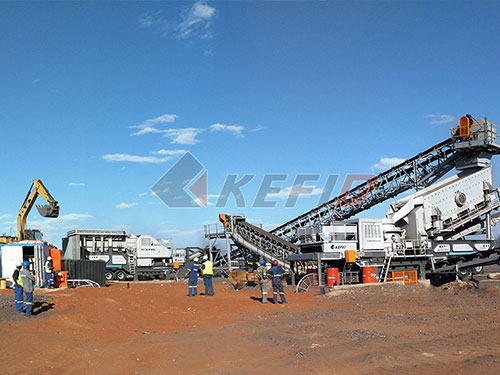
Conclusion
Importing stone quarry crushing plant represents major strategic investment defining operational success decade Importers must act as informed technical buyers conducting thorough due diligence beyond mere price comparison Success lies meticulous specification process rigorous TCO analysis careful supplier selection based technical merit financial stability service capability strong contract management By understanding intricacies system components global market dynamics procurement logistics importers can secure not just piece machinery but fully integrated productive asset that delivers consistent high-quality aggregates optimal operating cost ensuring strong return investment long-term competitiveness dynamic global construction materials industry
