
Wholesale Gold Ore Crushing Equipment: A Comprehensive Guide for Industry Buyers
Introduction
In the global mining and mineral processing industry, the efficient extraction of gold from ore begins long before the refining stage. The first and most critical step in the comminution circuit is crushing—reducing run-of-mine (ROM) ore from large boulders to a manageable size for grinding and subsequent leaching or gravity separation. For wholesale buyers, project developers, and mining contractors, selecting the right gold ore crushing equipment manufacturers is a decision that directly impacts capital expenditure, operational efficiency, and long-term profitability. This article provides an in-depth analysis of the wholesale gold ore crushing equipment market, the types of machinery available, key selection criteria, and the leading manufacturing regions and considerations for bulk procurement.
The Role of Crushing in Gold Ore Processing
Gold ore crushing serves multiple essential functions. Primarily, it liberates gold particles from the host rock matrix, increasing the surface area available for chemical leaching (such as cyanidation) or physical separation. Secondary benefits include homogenizing the feed material for downstream processes, reducing transport costs within the mine site, and enabling the removal of waste gangue material early in the flowsheet.
Crushing circuits for gold ore typically follow a multi-stage design: primary crushing (reducing ROM ore to below 150–300 mm), secondary crushing (to 20–50 mm), and tertiary or fine crushing (to 5–15 mm) before grinding. The hardness, abrasiveness, moisture content, and clay content of the ore dictate the equipment configuration. Wholesale buyers must therefore match equipment specifications to ore characteristics rather than relying on generic solutions.
Categories of Gold Ore Crushing Equipment
Wholesale manufacturers supply several principal types of crushers, each suited to specific stages and ore properties.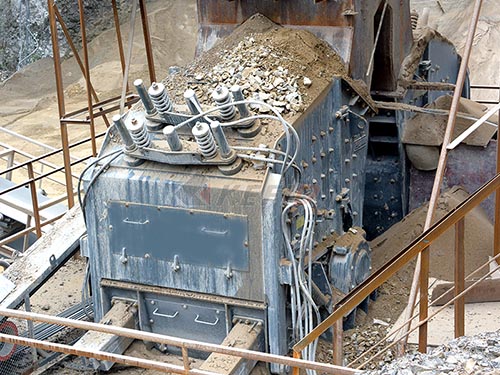
1. Jaw Crushers
Jaw crushers are the workhorses of primary crushing. They operate on a compression principle, using a fixed and a moving jaw plate to fracture large rock. For gold ore, heavy-duty jaw crushers with high reduction ratios and robust manganese steel liners are preferred. Wholesale suppliers offer capacities ranging from 50 t/h to over 1,200 t/h. Key specifications include feed opening dimensions, closed-side setting (CSS) adjustment range, and motor power. Jaw crushers are ideal for hard, abrasive gold-bearing quartz and greenstone ores.
2. Gyratory Crushers
For high-capacity operations (typically above 500 t/h), gyratory crushers offer superior throughput and continuous operation compared to jaw crushers. They are commonly specified for large-scale open-pit gold mines where ROM ore contains substantial volumes of hard rock. Wholesale procurement of gyratory crushers involves longer lead times and higher capital costs, but the reduced downtime and lower cost per ton over the equipment lifecycle justify the investment for major projects.
3. Cone Crushers
Cone crushers dominate secondary and tertiary crushing stages in gold processing. Modern hydraulic cone crushers provide precise CSS control, high crushing force, and excellent product shape. For gold ore, manufacturers offer both standard and short-head configurations. Wholesale buyers should evaluate chamber design (coarse, medium, fine), liner material (typically manganese or chrome-molybdenum alloys), and automation features such as hydraulic tramp release and cavity clearing. Cone crushers are particularly effective where the ore is hard and abrasive, and where a cubical product is required for optimal grinding performance.
4. Impact Crushers (HSI and VSI)
Horizontal shaft impactors (HSI) and vertical shaft impactors (VSI) are used where the ore is less abrasive or where a highly cubical product is desired. However, for hard gold-bearing ores, impact crushers may experience accelerated wear, making them less common in primary and secondary stages unless the ore is relatively soft. Wholesale manufacturers often supply impact crushers for gold operations processing oxidized or lateritic ores.
5. Roll Crushers and Sizers
For sticky, clay-rich gold ores, double-roll crushers and mineral sizers offer advantages over compression crushers by reducing blockage and handling high moisture content. Wholesale suppliers provide these units with adjustable roll spacing and wear-resistant teeth.
Key Criteria for Selecting Wholesale Manufacturers
Procuring crushing equipment at wholesale scale requires a structured evaluation framework. The following criteria are essential:
Leading Manufacturing Regions and Market Dynamics
The wholesale gold ore crushing equipment market is dominated by manufacturers in China, Europe, and North America, with emerging production in India and Turkey.
Wholesale procurement strategies should account for logistics costs, import duties, and currency fluctuations. Buyers often consolidate orders—combining primary, secondary, and tertiary crushers, feeders, screens, and conveyors—from a single manufacturer to secure volume discounts and ensure system compatibility.
Trends Shaping Wholesale Procurement
Several trends are influencing how buyers source gold ore crushing equipment:
Conclusion
For wholesale buyers, the selection of gold ore crushing equipment manufacturers is a strategic decision that shapes the entire mineral processing operation. The market offers diverse options—from cost-effective Chinese suppliers to premium European and North American manufacturers—each with distinct advantages. A rigorous evaluation of ore characteristics, capacity requirements, wear part economics, service capabilities, and total cost of ownership is essential. By engaging reputable wholesale manufacturers with proven gold industry experience and by leveraging modern automation and efficiency technologies, mining operators can build crushing circuits that deliver reliable performance, optimal recovery, and sustainable profitability over the life of the mine.
If you have any questions about our products, please feel free to contact us. We take all inquiries and suggestions very seriously.