
Title: Comprehensive Analysis of Stone Crusher Plant Factory Price: Factors, Cost Structures, and Market Trends
Introduction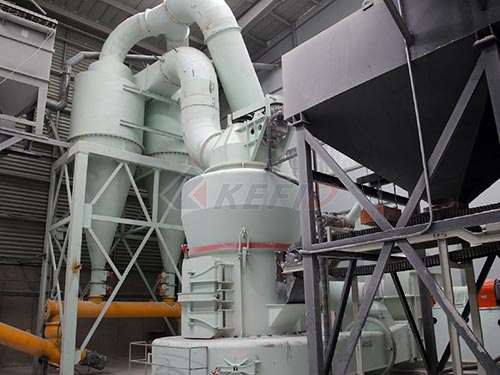
The stone crusher plant is a fundamental asset in the mining, construction, and infrastructure development sectors. It is used to crush large rocks into smaller, usable aggregates such as gravel, sand, and stone dust, which are essential for concrete production, road building, and other civil engineering projects. For potential buyers, understanding the “factory price” of a stone crusher plant is critical for budgeting, investment planning, and operational efficiency. However, the term “factory price” is not a fixed number; it varies significantly based on a multitude of factors including plant capacity, technology, automation level, raw material characteristics, and regional market dynamics. This article provides a detailed, objective, and professional analysis of stone crusher plant factory prices, covering cost components, pricing models, influencing factors, and current market trends.
1. Understanding “Factory Price” in the Context of Stone Crusher Plants
The factory price, also known as the ex-factory price or FOB (Free on Board) price in international trade, refers to the cost of the equipment at the manufacturer’s facility, excluding transportation, insurance, taxes, customs duties, and installation costs. For stone crusher plants, this price typically includes the main crushing machinery (jaw crusher, cone crusher, impact crusher, etc.), vibrating feeders, screens, conveyors, control panels, and sometimes a basic electrical system. However, it is crucial to note that the factory price does not cover civil works, foundation construction, site preparation, or operator training. Therefore, the total investment cost for a stone crusher plant is often 20% to 40% higher than the factory price.
2. Key Factors Influencing Stone Crusher Plant Factory Price
2.1 Plant Capacity and Throughput
The most significant determinant of factory price is the plant’s production capacity, typically measured in tons per hour (TPH). Small-scale plants (50–100 TPH) are suitable for local construction projects and have lower factory prices, often ranging from $50,000 to $200,000. Medium-scale plants (100–300 TPH) are more common in commercial aggregate production and can cost between $200,000 and $800,000. Large-scale plants (300–1000+ TPH) designed for mining operations or large infrastructure projects can exceed $1 million, with some high-end configurations reaching $3–5 million. The price increase is not linear; doubling capacity often results in a 60–80% increase in factory price due to the need for larger, more robust machinery and more complex electrical systems.
2.2 Type of Crushers and Technology
The choice of primary, secondary, and tertiary crushers directly impacts the factory price. A simple plant using a jaw crusher for primary crushing and a cone crusher for secondary crushing is less expensive than a plant incorporating impact crushers, vertical shaft impactors (VSI), or multi-stage crushing circuits. For example:
Additionally, the inclusion of advanced automation systems, such as PLC (Programmable Logic Controller) controls, remote monitoring, and automatic adjustment of crusher settings, can add 10–20% to the factory price.
2.3 Raw Material Characteristics
The type of rock to be crushed influences the design and cost of the plant. Hard, abrasive rocks like granite, basalt, and quartzite require heavy-duty crushers with wear-resistant liners, which are more expensive. Soft or medium-hard rocks like limestone, dolomite, and sandstone can be processed with less robust equipment, reducing the factory price. Furthermore, if the raw material contains high moisture or clay content, additional equipment such as washing systems or scalping screens may be necessary, increasing the overall cost.
2.4 Automation and Control Systems
Modern stone crusher plants increasingly incorporate intelligent control systems for optimized operation, energy efficiency, and reduced downtime. Basic plants may have manual controls and simple electrical panels, while advanced plants feature centralized control rooms, variable frequency drives (VFDs) for conveyors, and real-time monitoring of crusher settings, power consumption, and wear parts. The factory price for a fully automated plant can be 15–30% higher than a semi-automated equivalent.
2.5 Brand and Manufacturer Reputation
Factory prices vary significantly between manufacturers. Established global brands (e.g., Metso Outotec, Sandvik, Terex, Thyssenkrupp) command higher prices due to their reputation for reliability, after-sales service, and advanced technology. Chinese manufacturers (e.g., SBM, Zenith, Liming Heavy Industry, Shibang) offer competitive prices, often 30–50% lower than Western counterparts, while still providing adequate quality for many applications. Indian manufacturers (e.g., Puzzolana, L&T) occupy a middle ground. However, lower factory prices from lesser-known manufacturers may come with risks related to spare parts availability, technical support, and equipment longevity.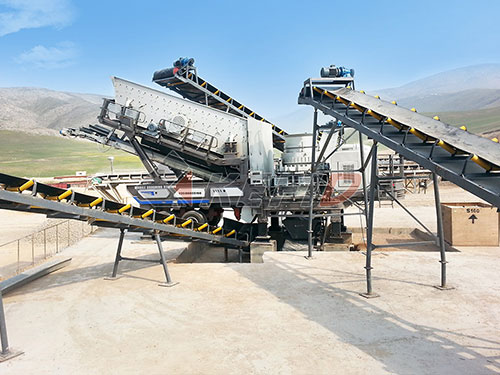
2.6 Mobility and Configuration
Stone crusher plants can be stationary, semi-mobile (skid-mounted), or fully mobile (track-mounted). Mobile plants are more expensive due to the inclusion of chassis, tracks, hydraulic systems, and integrated power units. A mobile jaw crusher plant of 150 TPH may have a factory price of $300,000–$500,000, whereas a stationary plant of the same capacity might cost $200,000–$350,000. However, mobile plants reduce site preparation costs and offer flexibility, which can offset the higher initial investment.
2.7 Regional Manufacturing Costs and Tariffs
Factory prices are also influenced by the cost of labor, steel, and energy in the manufacturing country. For instance, Chinese manufacturers benefit from lower labor costs and a well-established supply chain for steel and components, resulting in lower factory prices. However, buyers importing from China must consider shipping costs, import duties, and potential currency fluctuations. In contrast, European or North American manufacturers have higher production costs but may offer faster delivery and easier compliance with local safety and environmental standards.
3. Typical Factory Price Ranges for Stone Crusher Plants
The following are approximate factory price ranges based on common configurations (prices in USD, as of 2025):
| Plant Type | Capacity (TPH) | Factory Price Range (USD) | Remarks |
|---|---|---|---|
| Small stationary plant | 50–100 | $50,000 – $200,000 | Basic jaw + cone/impact, manual control |
| Medium stationary plant | 100–300 | $200,000 – $800,000 | Multi-stage crushing, semi-automated |
| Large stationary plant | 300–600 | $800,000 – $2,500,000 | Advanced automation, heavy-duty |
| Ultra-large stationary plant | 600–1000+ | $2,500,000 – $5,000,000+ | Custom design, high wear resistance |
| Mobile jaw crusher plant | 100–300 | $300,000 – $700,000 | Track-mounted, diesel/electric |
| Mobile cone/impact plant | 100–300 | $400,000 – $900,000 | Integrated screen and conveyor |
| Complete mobile crushing & screening plant | 200–500 | $1,000,000 – $2,500,000 | Multi-stage, fully mobile |
4. Additional Costs Beyond Factory Price
Buyers must be aware that the factory price is only the starting point. The total cost of ownership includes:
5. Market Trends and Future Outlook
5.1 Rising Demand for Automation and Digitalization
The global stone crusher plant market is witnessing a shift toward smart plants equipped with IoT sensors, predictive maintenance algorithms, and remote operation capabilities. While these features increase factory prices, they reduce long-term operational costs and improve safety. Manufacturers are investing in R&D to offer cost-effective automation packages.
5.2 Environmental Regulations and Green Technologies
Stricter environmental norms in many countries are driving the adoption of dust suppression systems, noise reduction enclosures, and water recycling units. These add-ons can increase factory prices by 10–20% but are becoming mandatory in regions like Europe, North America, and parts of Asia.
5.3 Impact of Raw Material Prices
Steel and alloy prices directly affect the factory price of crusher plants. Fluctuations in global steel prices (e.g., due to trade tariffs or supply chain disruptions) can cause price volatility. In 2024–2025, steel prices have stabilized but remain higher than pre-pandemic levels, keeping factory prices elevated.
5.4 Regional Market Dynamics
6. How to Evaluate Factory Price Quotes
When comparing factory prices from different manufacturers, buyers should:
Conclusion
The factory price of a stone crusher plant is a complex figure influenced by capacity, technology, material characteristics, automation, brand, and regional factors. While small stationary plants may cost as little as $50,000, large-scale automated systems can exceed $5 million. Buyers must look beyond the initial price and consider long-term operational costs, regulatory compliance, and after-sales support. By understanding the underlying cost drivers and market trends, investors can make informed decisions that balance upfront expenditure with long-term profitability. As the global demand for aggregates continues to grow, particularly in developing economies, the stone crusher plant market will remain dynamic, with factory prices reflecting both technological advancements and economic realities.
If you have any questions about our products, please feel free to contact us. We take all inquiries and suggestions very seriously.