White Label Iron Ore Crushing Plant Importers: Market Dynamics, Procurement Strategies, and Operational Considerations
Introduction
The global iron ore market, a cornerstone of the steel industry, is characterized by massive scale, volatile pricing, and complex logistics. Within this ecosystem, the crushing and beneficiation of raw ore into saleable product is a critical value-adding step. For many mid-tier mining companies, junior miners, and even large-scale traders, the decision to invest in proprietary, branded crushing equipment is not always the most efficient path. This has given rise to a specialized niche: the White Label Iron Ore Crushing Plant Importer.
A white label crushing plant is a complete, pre-engineered system manufactured by an Original Equipment Manufacturer (OEM) but sold under the importer’s own brand name. The importer, often a regional distributor, engineering firm, or mining services company, takes on the responsibility of sourcing, importing, customizing, and commissioning these plants for end-users. This article provides a comprehensive, professional analysis of the role, challenges, and strategic considerations for white label iron ore crushing plant importers, targeting an audience of mining professionals, procurement managers, and industry analysts.
1. The Rationale for White Labeling in Iron Ore Crushing
The iron ore crushing sector is dominated by a handful of global OEMs (e.g., Metso Outotec, Sandvik, ThyssenKrupp). Their equipment is renowned for reliability and performance but comes with a premium price tag and often long lead times. White label importers fill a critical gap in the market by offering:
- Cost Competitiveness: By sourcing from manufacturing hubs—primarily in China, India, and parts of Eastern Europe—importers can offer capital equipment at 30-50% lower cost than Tier-1 Western brands. This is particularly attractive for greenfield projects in developing nations or for miners with tight budgets.
- Localization and Customization: Importers can adapt standard designs to local ore characteristics (e.g., high moisture content, high abrasion index), local grid power specifications, and regional environmental regulations. They can also integrate local aftermarket parts.
- Simplified Supply Chain: End-users benefit from a single point of contact for procurement, logistics, and commissioning, rather than managing multiple contracts with foreign manufacturers.
- Brand Building: For a local engineering firm, white labeling allows them to build their own brand equity in the mining sector without the massive R&D investment required to design a crusher from scratch.
2. Key Characteristics of White Label Importers
Not all importers are created equal. The most successful white label iron ore crushing plant importers typically possess the following attributes:
- Deep Technical Expertise: They understand the nuances of iron ore processing—from primary jaw crushing to secondary cone crushing and tertiary high-pressure grinding rolls (HPGR). They can specify the correct crusher type, chamber profile, and liner material for specific ore types (e.g., hematite vs. magnetite).
- Robust Quality Assurance (QA) Capabilities: Since the equipment is not branded by a globally recognized OEM, the importer must act as the quality gatekeeper. This involves factory acceptance tests (FAT), material certifications for wear parts, and adherence to international standards (ISO 9001, CE, ASME).
- Logistics and Customs Expertise: Importing a complete crushing plant—which can weigh hundreds of tons and consist of dozens of containers—requires mastery of Incoterms, port handling, heavy-lift shipping, and customs clearance for mining machinery.
- After-Sales Service Network: The importer must have a local team of mechanical and electrical engineers capable of installation, commissioning, and ongoing maintenance. A white label plant is only as good as the support behind it.
3. Sourcing and Supply Chain Dynamics
The primary manufacturing base for white label crushing plants is China, particularly in provinces like Henan, Shanghai, and Jiangsu. Key manufacturing clusters include:
- Zhengzhou: Home to hundreds of crusher manufacturers, ranging from small workshops to large-scale factories producing complete plants.
- Shanghai: Known for higher-end, more sophisticated equipment often using imported bearings and motors.
- Shandong: A hub for heavy machinery, including jaw crushers and vibrating screens.
Importers must navigate several critical supply chain issues:
- Lead Times: A typical complete plant (primary, secondary, and tertiary stages) can take 90-150 days from order to shipment. Importers must factor in this lead time against project schedules.
- Component Sourcing: Many Chinese manufacturers use standardized components (e.g., Siemens or ABB motors, SKF or NSK bearings). However, importers must verify that these components are genuine and not counterfeit.
- Minimum Order Quantities (MOQs): Some manufacturers require MOQs for custom designs or specialized wear parts. Importers must negotiate these carefully to avoid overstocking.
4. Technical Specifications and Plant Design Considerations
A white label iron ore crushing plant is not a one-size-fits-all solution. Importers must work closely with end-users to define the following parameters:
- Feed Material: Hardness (e.g., Bond Work Index), abrasiveness, moisture content, and maximum feed size.
- Product Requirements: Target product size (e.g., -10mm for sinter feed, -6mm for pellet feed), shape (cubicity), and allowable fines content.
- Capacity: Typically measured in tons per hour (tph). Common ranges for mid-tier plants are 100-500 tph.
- Plant Configuration:
- Primary Crushing: Jaw crushers (C series or equivalent) or gyratory crushers for large feed.
- Secondary Crushing: Cone crushers (Symons or HP type) for intermediate reduction.
- Tertiary/Quaternary Crushing: HPGRs, vertical shaft impactors (VSI), or high-speed cone crushers for final product.
- Screening: Multi-deck vibrating screens for classification.
- Conveying: Belt conveyors with proper belt width, speed, and idler spacing.
- Power and Automation: The plant must be designed for local voltage (e.g., 380V/50Hz, 480V/60Hz) and include PLC-based automation for monitoring and control.
5. Regulatory and Compliance Challenges
Importers must ensure that white label plants comply with both the exporting country’s standards and the importing country’s regulations. Key areas include:
- Safety Standards: Guards for moving parts, emergency stops, lockout/tagout (LOTO) provisions, and dust suppression systems.
- Environmental Compliance: Noise levels, dust emissions (PM10, PM2.5), and water management for wet crushing processes.
- Import Duties and Tariffs: Many countries impose tariffs on mining machinery. Importers must classify the equipment correctly under the Harmonized System (HS) code (e.g., 8474.20 for crushing machines) to minimize duties.
- Certifications: Some countries require specific certifications (e.g., GOST in Russia, SABS in South Africa, BIS in India). Importers must obtain these before shipment.
6. Financial and Commercial Considerations
The business model of a white label importer is capital-intensive and margin-sensitive. Key financial factors include:
- Pricing Strategy: The importer’s margin typically ranges from 15-30%, depending on the level of customization and after-sales support provided. Pricing must be competitive against both Tier-1 OEMs and direct Chinese imports.
- Payment Terms: Chinese manufacturers often require a 30% deposit with the order, 60% against the bill of lading, and 10% after commissioning. Importers must manage their working capital carefully.
- Warranty and Liability: The importer typically offers a 12-24 month warranty on the plant. They must have a clear warranty policy covering defects in materials and workmanship, but excluding wear parts.
- Financing Options: Some importers offer leasing or installment payment plans to end-users, which can be a competitive advantage.
7. Market Opportunities and Regional Demand
The demand for white label iron ore crushing plants is strongest in regions where:
- Junior and Mid-Tier Miners Are Active: Countries like Brazil, India, South Africa, Australia, and parts of West Africa (e.g., Guinea, Sierra Leone) have numerous small to medium-scale iron ore operations.
- Infrastructure Is Developing: Nations in Southeast Asia (Indonesia, Vietnam, Philippines) and Central Asia (Kazakhstan, Mongolia) are investing in steel production and require local ore processing.
- Cost Sensitivity Is High: In markets where capital is scarce, such as parts of Africa and South America, white label plants offer a viable alternative to expensive Western equipment.
8. Risks and Mitigation Strategies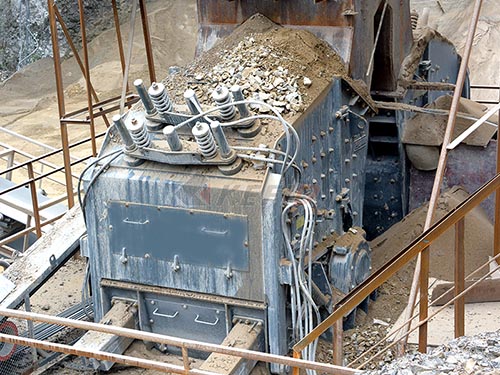
Importing white label crushing plants is not without risks. The most common challenges include:
- Quality Variability: Not all Chinese manufacturers maintain consistent quality. Mitigation: Conduct pre-shipment inspections, use third-party QA firms (e.g., SGS, Bureau Veritas), and build relationships with reputable factories.
- Spare Parts Availability: End-users may struggle to find replacement wear parts locally. Mitigation: The importer should stock critical spares (liners, mantles, screens, bearings) in a regional warehouse.
- Technical Support Gaps: If the importer lacks experienced engineers, commissioning can be delayed. Mitigation: Hire experienced mining engineers or partner with a local engineering consultancy.
- Currency and Payment Risks: Fluctuations in exchange rates can erode margins. Mitigation: Use forward contracts or negotiate payment in a stable currency (USD or EUR).
9. Case Study: A Successful White Label Importer
Consider a hypothetical company, “MinePro Solutions,” based in Johannesburg, South Africa. MinePro sources complete iron ore crushing plants from a medium-sized manufacturer in Zhengzhou, China. They offer the plants under the brand “MinePro Crusher Series.”
- Value Proposition: 25% lower cost than Metso or Sandvik, with a 24-month warranty and a local service team.
- Customization: They modify the plant for South African grid power (480V/60Hz) and add dust suppression systems to meet local environmental laws.
- Success: MinePro has supplied 12 plants to junior miners in the Northern Cape and Limpopo provinces, with an average uptime of 92% over two years.
10. Future Trends
The white label iron ore crushing plant market is evolving. Key trends include:
- Digitalization: Importers are beginning to offer IoT-enabled plants with remote monitoring and predictive maintenance capabilities.
- Modularization: Pre-assembled, containerized modules reduce on-site installation time and costs.
- Sustainability: Demand for energy-efficient crushers (e.g., HPGRs over traditional cone crushers) and electric-powered plants is growing.
- Local Manufacturing: Some importers are moving from pure importing to partial local assembly, adding value and reducing logistics costs.
Conclusion
White label iron ore crushing plant importers play a vital, often underappreciated role in the global mining supply chain. They bridge the gap between high-cost OEMs and low-cost, unproven direct imports, offering a balanced solution of affordability, customization, and local support. Success in this niche requires more than just sourcing cheap equipment; it demands technical competence, rigorous quality control, robust logistics, and a deep understanding of the end-user’s operational reality. For importers who can master these elements, the market offers significant growth opportunities as the global demand for iron ore continues to evolve.
