Hammer Mill Processing Plant: A Comprehensive Technical Datasheet and Operational Guide

1. Executive Summary

A Hammer Mill Processing Plant is a cornerstone of size reduction technology across a diverse range of industries, from agricultural processing and biomass energy to mineral recycling and pharmaceutical pre-processing. At its core, the plant is engineered to transform raw, often heterogeneous materials into a uniform, granular product through a high-impact, mechanical milling process. This datasheet provides a detailed technical overview of the system’s components, operational principles, key performance parameters, and critical selection criteria. Unlike a simple datasheet for a standalone hammer mill, this document encompasses the entire processing plant—a synergistic integration of feeding, milling, classification, conveyance, dust control, and control systems designed for efficiency, safety, and product consistency.

2. System Components & Functional Description

A complete plant is more than just the mill. It is an integrated circuit comprising several key subsystems:

2.1 Feeding System: This is the first critical control point. Options include:

  • Volumetric Feeders (Screw/Apron): Provide a consistent, metered flow of material into the mill, essential for preventing overload and achieving uniform grind.
  • Vibratory Feeders: Ideal for handling dry, granular materials that may bridge or flood.
  • Pneumatic or Gravity Infeed Chutes: Simpler solutions for less demanding applications.
    The feeder ensures optimal mill loading, directly impacting motor amperage draw and final particle size distribution (PSD).

2.2 The Hammer Mill Itself – The Core Reactor:Harga Hammer Mill Processing Plant Datasheet
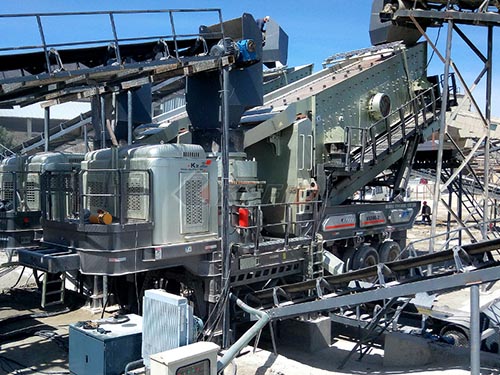
  • Rotor Assembly: The heart of the mill. A high-speed shaft fitted with multiple freely-swinging or fixed hammers (beaters) made from hardened steel (e.g., manganese), stainless steel (for food/pharma), or tungsten carbide-tipped (for highly abrasive materials).
  • Grinding Chamber: A robust housing containing the rotor.
  • Breaker Plate/Impact Liner: A wear-resistant plate against which material is initially shattered.
  • Screen/Bar Grates: Perforated metal screens or sets of bars encircling the lower half of the rotor chamber. They act as the final sizing mechanism; particles remain in the chamber until they are small enough to pass through the screen apertures.

2.3 Discharge & Classification System:

  • Gravity Discharge: Simple fall-through for coarse materials.
  • Pneumatic Conveying System (Most Common in Plants): An integral fan creates negative pressure within the mill housing, pulling ground material through the screen and transporting it via ductwork to downstream separation equipment (cyclones, bag filters). This system also aids in cooling the product.
  • Mechanical Conveyors: Screw or drag conveyors for dense or moist materials.

2.4 Product Separation & Filtration:

  • Cyclone Separators: Use centrifugal force to separate ~85-95% of product from the conveying air stream with no moving parts.
  • Baghouse Filters/Dust Collectors: Final-stage filtration to capture fine particulates (“fines”), ensuring clean air exhaust and maximizing product yield. Critical for meeting environmental health & safety standards.

2.5 Control & Electrical System:
An integrated PLC-based panel monitors and controls:

  • Main drive motor amperage (a key indicator of load).
  • Feeder speed (to optimize throughput).
  • Bearings temperature sensors.
  • Explosion protection systems (suppression or venting) if processing combustible dusts.
  • Interlocks for safe operation.

3. Operational Principle & Particle Size Reduction Mechanism

Size reduction occurs through four primary mechanisms:

  1. Impact: The dominant force. Material is struck by hammers traveling at tip speeds ranging from 60 m/s (~12,000 ft/min) for fibrous materials to over 120 m/s (~24,000 ft/min) for fine grinding of brittle materials.
  2. Shear: Created between hammer tips and screen surfaces or between particles themselves.
  3. Attrition: Particle-on-particle rubbing within the grinding chamber.
  4. Collision: Particles impacting breaker plates and chamber walls.

The process is inherently violent and generates significant heat (~10-25°C temperature rise is common), which must be considered for heat-sensitive products.

4. Key Performance Parameters & Technical Specifications

When evaluating a plant specification sheet, these are the critical data points:

Parameter Description Typical Range/Units
Raw Material Input Type(s), initial size (< X mm), bulk density (kg/m³), moisture content (% w.b.), abrasiveness/hardness Defined per application
Target Product Output Desired particle size distribution (D50 value), bulk density post-milling e.g., D50 = 500µm – 3mm
Nominal Capacity Throughput rate under defined conditions kg/hr or tonnes/hr
Main Drive Power Installed motor power; determines energy input potential 7.5 kW – 500+ kW
Rotor Diameter x Width Physical dimensions defining grinding chamber volume e.g., Ø800mm x 600mm
Rotor Speed / Tip Speed Primary determinant of impact energy; adjustable on some models via VFDs Speed: 1000-3600 rpm; Tip Speed: 60-120 m/s
Screen Area/Screen Type Total open screening area; type (perforated plate vs bar grate) affects capacity & PSD m²; aperture sizes from <1mm to >10mm
Airflow Requirement For pneumatic systems; dictates fan/dust collector sizing m³/hr at specified static pressure
Noise Level At operator position with enclosure/insulation measures in place. Typically >85 dB(A); requires PPE

5. Selection Criteria & Application-Specific Considerations

Choosing the right plant configuration is paramount:Harga Hammer Mill Processing Plant Datasheet

  1. Material Characteristics:

    • Fibrous/Tough (e.g., wood chips): Requires high tip speed but larger screen holes; often uses bar grates instead of perforated screens to prevent clogging.
    • Brittle (e.g., grains): Easily fractured by impact; efficient at lower energy inputs.
    • Abrasive (e.g., glass): Dictates use of hardened/tungsten carbide wear parts; significantly increases maintenance costs per operating hour.
    • Heat-Sensitive (e.g., food additives): May require liquid nitrogen injection (“cryogenic milling”) or specialized cooling jackets on mills/fans.
  2. Desired Final Particle Size Distribution:
    Fine grinds (<200µm) require small screen apertures (<1mm), high tip speeds (>100m/s), high airflow rates to evacuate fines quickly but result in lower throughput capacity due to increased resistance at screen level.

  3. Plant Footprint & Layout:
    Vertical designs save floor space but may have accessibility challenges for maintenance vs horizontal designs that allow easier hammer/screen change-out.

  4. Safety & Regulatory Compliance:
    For combustible dusts (ATEX/DSEAR/EU/NFPA standards apply) plants must be equipped with explosion venting panels linked back to safe areas or full suppression systems using chemical agents triggered by pressure sensors.

6 Advantages vs Limitations

Advantages

  • Exceptional versatility in handling diverse feedstocks
  • High reduction ratios achievable (>15:1)
  • Relatively simple mechanical design leading to ease-of-maintenance
  • Ability to produce wide range-of-particle-sizes by simply changing screens

Limitations

  • High wear costs when processing abrasive substances
  • Potential generation-of-excessive fines if not properly controlled
  • High noise levels requiring acoustic enclosures
  • Inefficient energy utilization compared-to-some other comminution methods like roller mills—much input energy converts-to-heat-and-noise rather-than-size-reduction

Conclusion

A Hammer Mill Processing Plant represents a significant capital investment whose performance directly impacts downstream processes profitability operational costs safety compliance environmental footprint Understanding its intricate interplay between component selection material science mechanical engineering process control allows operators engineers specifiers make informed decisions that optimize lifetime value Whether producing animal feed fuel pellets recycled powder industrial filler mastering information contained within comprehensive technical datasheet forms foundation successful sustainable operation

Leave Message

*

If you have any questions about our products, please feel free to contact us. We take all inquiries and suggestions very seriously.