Slag Crusher Plant Producers Logistics: An In-Depth Analysis of Supply Chain, Operational Efficiency, and Global Distribution
Introduction
The global steel and metallurgical industries generate vast quantities of slag—a byproduct of iron and steel smelting. While historically considered waste, slag has evolved into a valuable secondary raw material for construction, cement manufacturing, road building, and agriculture. The processing of slag into usable aggregates, powders, or cementitious materials requires specialized equipment, most notably slag crusher plants. However, the production and distribution of these plants involve complex logistics that span raw material sourcing, manufacturing, transportation, installation, and aftermarket support. This article provides a professional and objective examination of the logistics landscape for slag crusher plant producers, focusing on supply chain dynamics, operational challenges, global distribution networks, and emerging trends.
1. Understanding Slag Crusher Plants: Equipment and Functionality
Before delving into logistics, it is essential to understand what slag crusher plants are. These are integrated systems designed to crush, screen, and separate slag into various fractions. Typical components include:
- Primary jaw crushers or impact crushers for initial size reduction.
- Secondary cone crushers or hammer mills for finer crushing.
- Magnetic separators to recover metallic iron content.
- Vibrating screens for grading.
- Conveyor systems for material handling.
- Dust suppression and control systems for environmental compliance.
Producers of these plants range from large multinational heavy machinery manufacturers to regional specialized fabricators. The logistics involved in producing and delivering such plants are inherently complex due to the size, weight, and customization requirements of the equipment.
2. Supply Chain for Raw Materials and Components
The production of slag crusher plants requires a robust upstream supply chain. Key inputs include:
- Steel plates and structural sections: Used for chassis, hoppers, frames, and conveyor supports. High-strength, wear-resistant steel (e.g., Hardox, AR400) is often specified for crusher components.
- Castings and forgings: Crusher jaws, blow bars, and mantle liners are typically made from manganese steel or chrome-iron alloys.
- Electric motors, gearboxes, and bearings: These are sourced from specialized industrial suppliers.
- Hydraulic and pneumatic components: For adjustable crusher settings and conveyor tensioning.
- Control systems and sensors: PLCs, VFDs, and automation hardware from brands like Siemens, Allen-Bradley, or Schneider.
Logistics challenges at this stage include:
- Lead time variability: Specialty castings and imported bearings may have lead times of 12–20 weeks, requiring producers to maintain buffer inventory.
- Quality assurance: Inconsistent metallurgy in castings can lead to premature wear, necessitating rigorous incoming inspection.
- Global sourcing risks: Many components are sourced from China, India, or Eastern Europe. Geopolitical tensions, shipping container shortages, or port congestion can disrupt supply.
Producers often adopt a dual-sourcing strategy for critical components to mitigate risk. Some vertically integrate by operating their own foundries or fabrication shops, though this increases capital expenditure.
3. Manufacturing and Assembly Logistics
The manufacturing process for slag crusher plants involves several stages:
- Fabrication: Cutting, welding, and machining of steel structures.
- Assembly: Mounting crushers, screens, conveyors, and electrical panels onto a common skid or modular frame.
- Testing: Dry-run testing of motors, crusher rotation, and conveyor alignment.
- Painting and coating: Corrosion protection, especially for plants destined for humid or coastal environments.
Logistics within the factory floor must be optimized to handle heavy components. Overhead cranes with capacities of 20–50 tons are standard. Work-in-progress (WIP) inventory management is critical to avoid bottlenecks. Many producers now use lean manufacturing principles, such as just-in-time (JIT) delivery of subassemblies, to reduce floor space requirements.
For large, custom-built plants (e.g., 500 tons per hour capacity), the entire assembly may be too large for road transport. In such cases, producers design the plant in modular sections—each module weighing under 40 tons—to facilitate shipping. This modularization is a key logistics decision that affects design, cost, and installation time.
4. Transportation and Shipping Logistics
Transporting a slag crusher plant from the factory to the customer site is often the most challenging logistics phase. Key considerations include:
- Road transport: For domestic deliveries, flatbed trailers, low-bed trailers, or specialized heavy-haul trucks are used. Permits for oversized loads are required in most jurisdictions. Route surveys must account for bridge weight limits, tunnel heights, and road width restrictions.
- Sea freight: For international shipments, plants are typically shipped in break-bulk or containerized form. Large crushers may require open-top containers or flat racks. Roll-on/roll-off (RoRo) shipping is sometimes used for self-propelled mobile plants.
- Rail transport: In regions like India, Russia, or North America, rail is a cost-effective option for moving heavy machinery over long distances. However, railcar availability and loading/unloading infrastructure can be limiting.
- Air freight: Rarely used due to cost, but critical spare parts (e.g., bearings, electronic controllers) may be air-shipped to minimize downtime.
Producers must also consider customs clearance, import duties, and documentation (e.g., certificates of origin, bill of lading, packing lists). For projects in remote locations (e.g., mining sites in Africa or Central Asia), the last-mile delivery may involve unpaved roads, river crossings, or even helicopter lifts for smaller components.
5. Installation and Commissioning Logistics
Once the plant arrives at the customer site, installation logistics begin. This phase includes:
- Site preparation: Leveling ground, pouring concrete foundations, and installing electrical substations.
- Craneage: Mobile cranes with capacities of 100–300 tons are often required to lift crushers and screens into position.
- Erection: Bolting and welding modules together, aligning conveyor belts, and connecting hydraulic lines.
- Commissioning: Testing under load, adjusting crusher settings, and training operators.
Producers typically send a team of field engineers and supervisors to oversee installation. Logistics for these personnel include travel arrangements, accommodation, and safety equipment. In some cases, local subcontractors are hired for civil works, while the producer’s team handles mechanical and electrical tasks.
Delays during installation are common due to weather, unavailability of cranes, or missing components. To mitigate this, producers often conduct pre-installation audits and provide detailed installation manuals with 3D models.
6. Aftermarket and Spare Parts Logistics
The relationship between producer and customer does not end with commissioning. Slag crusher plants require regular maintenance and replacement of wear parts (e.g., crusher liners, screen meshes, conveyor belts). Aftermarket logistics involves:
- Spare parts inventory management: Producers maintain regional warehouses or partner with local distributors to stock fast-moving parts.
- Emergency shipments: When a crusher breaks down, downtime costs can exceed $10,000 per hour. Producers offer 24/7 hotlines and expedited shipping (e.g., courier services for small parts, charter flights for critical components).
- Reverse logistics: Worn-out parts may be returned for refurbishment or recycling, especially for high-value items like manganese crusher jaws.
Digital tools such as IoT sensors and predictive maintenance software are increasingly used to monitor wear rates and automatically trigger spare parts orders. This reduces unplanned downtime and optimizes inventory levels.
7. Global Distribution Networks and Regional Variations
The logistics strategies of slag crusher plant producers vary significantly by region:
- India: As a major steel producer and manufacturer of crushing equipment, India has a dense network of producers in Gujarat, Maharashtra, and Tamil Nadu. Domestic logistics rely heavily on road transport, with many plants delivered within 500–1000 km of the factory. Export logistics focus on ports like Mundra, Nhava Sheva, and Chennai.
- China: Chinese producers dominate the global market for medium-sized slag crusher plants. They leverage low-cost manufacturing and efficient container shipping from Shanghai, Shenzhen, and Ningbo. However, quality control and aftermarket support can be inconsistent.
- Europe: European producers (e.g., in Germany, Italy, Austria) focus on high-end, automated plants with advanced environmental controls. Logistics emphasize rail and inland waterway transport within the EU, with strict compliance to CE marking and emissions standards.
- Middle East and Africa: These regions are net importers of slag crusher plants. Logistics challenges include port congestion (e.g., in Lagos, Mombasa), customs delays, and lack of skilled local technicians. Producers often offer turnkey solutions including installation and training.
- North America: Producers in the US and Canada serve a mature market with stringent safety and environmental regulations. Logistics involve intermodal transport (truck + rail) and compliance with OSHA and EPA standards.
8. Challenges and Risk Mitigation
Key logistics challenges faced by slag crusher plant producers include: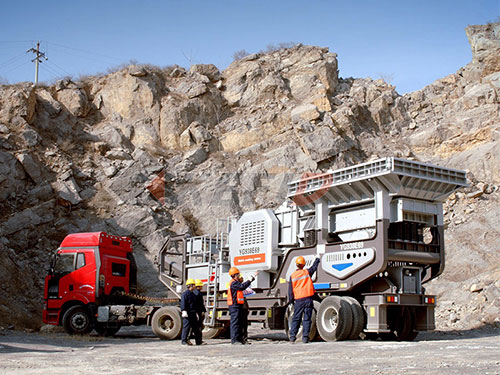
- Volatile freight costs: Ocean freight rates can fluctuate by 300% within a year due to capacity constraints or fuel prices.
- Customs and trade barriers: Tariffs on steel and machinery (e.g., US Section 232, Indian anti-dumping duties) increase costs and lead times.
- Project delays: Site readiness, permits, and weather can push installation timelines by months.
- Talent shortage: Skilled welders, fitters, and field engineers are in high demand, especially for projects in remote areas.
To mitigate these risks, producers adopt strategies such as:
- Long-term freight contracts with shipping lines to lock in rates.
- Regional assembly hubs (e.g., in Dubai, Singapore) to reduce shipping costs and lead times.
- Digital twin technology to simulate installation and reduce on-site errors.
- Training programs for local technicians to reduce dependency on expatriate staff.
9. Future Trends in Slag Crusher Plant Logistics
The logistics landscape is evolving due to technological and environmental pressures:
- Modular and mobile plants: Producers are designing more mobile slag crusher plants that can be transported in standard containers and assembled without heavy cranes. This reduces logistics complexity and opens up smaller markets.
- Green logistics: Use of electric trucks, carbon-neutral shipping, and recyclable packaging is gaining traction. Some producers offset emissions through reforestation or carbon credits.
- Digital supply chains: Blockchain for traceability of spare parts, AI for demand forecasting, and autonomous vehicles for factory material handling are being piloted.
- Circular economy: Producers are exploring take-back programs for end-of-life plants, recovering steel and components for reuse.
Conclusion
The logistics of slag crusher plant production is a multifaceted discipline that spans global sourcing, heavy manufacturing, complex transportation, and on-site installation. Producers must balance cost, speed, and reliability while navigating regional regulations, infrastructure limitations, and market volatility. As the demand for slag processing grows—driven by urbanization, infrastructure development, and sustainability goals—the ability to efficiently deliver and support these plants will become a key competitive differentiator. By investing in modular design, digital tools, and resilient supply chains, slag crusher plant producers can overcome logistical hurdles and contribute to the circular economy of the steel industry.
