Slag Crusher Plant Makers Testing: A Comprehensive Technical Overview
Introduction
In the metallurgical and construction industries, slag—a byproduct of steelmaking and other metal smelting processes—has transitioned from waste material to a valuable resource. The efficient processing of slag into reusable aggregates, cement additives, or road base materials requires robust, high-capacity crushing and screening systems. Slag crusher plants are specialized facilities designed to handle the abrasive, dense, and often metallic nature of slag. However, the performance, durability, and safety of these plants depend critically on rigorous testing protocols implemented by their manufacturers. This article provides a detailed, objective examination of the testing methodologies, standards, and quality assurance processes employed by slag crusher plant makers.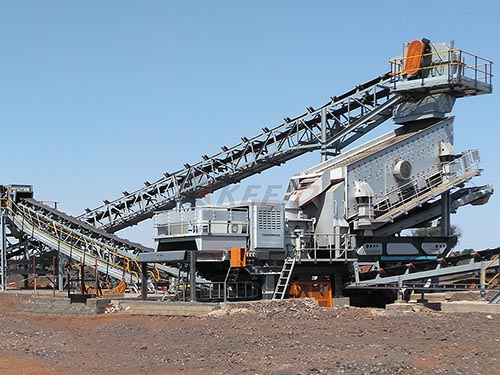
1. The Unique Challenges of Slag Crushing
Before delving into testing, it is essential to understand why slag crushing presents distinct engineering challenges compared to conventional rock or mineral crushing. Slag is characterized by:
- High Abrasiveness: The presence of metallic oxides, silicates, and residual iron makes slag highly abrasive, accelerating wear on crusher liners, hammers, and screens.
- Variable Density and Hardness: Depending on the source (e.g., blast furnace slag vs. steel furnace slag), the material can range from relatively soft to extremely hard (Mohs hardness 6–7).
- Metallic Content: Steel slag often contains significant amounts of free iron (Fe) and other metals, which can damage conventional crushers if not properly separated.
- Moisture and Stickiness: Wet slag can clog screens and chutes, requiring specialized design and testing for material flow.
Thus, testing for slag crusher plants must address not only mechanical performance but also wear resistance, metal separation efficiency, and material handling under adverse conditions.
2. Pre-Production Testing: Design Validation
Reputable slag crusher plant makers begin testing long before a machine is assembled. This phase involves computer-aided engineering (CAE) and simulation.
- Finite Element Analysis (FEA): Critical components such as the main frame, rotor shaft, and toggle plates are subjected to FEA to predict stress concentrations, fatigue life, and deformation under maximum load. For example, a slag impact crusher rotor must withstand the impact of 50–100 kg slag lumps at high velocity. FEA ensures that the design can endure millions of cycles without catastrophic failure.
- Discrete Element Method (DEM) Simulation: DEM software models the flow of slag particles through the crushing chamber. This helps optimize chamber geometry, rotor speed, and breaker plate positioning to achieve the desired product size distribution while minimizing energy consumption and wear.
- Computational Fluid Dynamics (CFD): For plants incorporating dust suppression or pneumatic conveying systems, CFD simulates airflow and particle entrainment to ensure effective dust control—a critical safety and environmental requirement.
3. Component-Level Testing
Before full assembly, individual components undergo rigorous testing to verify material properties and manufacturing quality.
- Wear Parts Hardness Testing: Crusher liners, hammers, and blow bars are typically made from high-chromium iron or manganese steel. Manufacturers use Rockwell or Brinell hardness testers to ensure the material meets specified hardness (e.g., 500–600 HB for high-chrome liners). Inconsistent hardness can lead to uneven wear and premature failure.
- Metallurgical Analysis: Samples from castings and forgings are analyzed using optical emission spectrometry (OES) or X-ray fluorescence (XRF) to verify chemical composition. For instance, manganese steel must contain 11–14% Mn to achieve work-hardening properties.
- Bearing and Shaft Runout Testing: Rotor shafts are checked for concentricity and runout using dial indicators. Excessive runout (typically >0.05 mm) can cause vibration, bearing overheating, and reduced service life.
- Hydraulic and Pneumatic System Pressure Testing: For plants with hydraulic adjustment systems (e.g., cone crushers), each cylinder and valve block is tested at 1.5 times the maximum working pressure to detect leaks or structural weaknesses.
4. Assembly and No-Load Testing
Once components are verified, the plant is assembled in the manufacturer’s workshop. No-load (dry) testing is conducted to ensure mechanical integrity and alignment.
- Vibration Analysis: Accelerometers are mounted on the crusher frame, bearings, and motor mounts. Vibration velocity and acceleration are measured at various RPMs. Acceptable limits are typically below 4.5 mm/s RMS for crushers (ISO 10816-3). High vibration may indicate imbalance, misalignment, or bearing defects.
- Temperature Monitoring: Infrared thermometers or thermocouples track bearing temperatures during a 2–4 hour run. A temperature rise exceeding 40°C above ambient or absolute temperatures above 80°C triggers investigation.
- Noise Level Measurement: Sound pressure levels are measured at operator positions. Most jurisdictions require levels below 85 dB(A) for 8-hour exposure. Excessive noise often points to gear mesh issues, loose components, or improper lubrication.
- Electrical and Control System Verification: All motors, starters, variable frequency drives (VFDs), and programmable logic controllers (PLCs) are tested for correct wiring, response times, and safety interlocks. Emergency stop circuits are verified to cut power within 0.5 seconds.
5. Load Testing with Simulated Slag
The most critical phase is load testing using material that mimics actual slag properties. Manufacturers maintain stockpiles of representative slag or use synthetic aggregates with similar abrasiveness and density.
- Feed Rate and Capacity Verification: The plant is fed at its rated capacity (e.g., 200 tons per hour) for a sustained period (typically 4–8 hours). Actual throughput is measured using belt scales or weigh feeders. A tolerance of ±5% from the design capacity is generally acceptable.
- Product Size Distribution Analysis: Samples of crushed slag are collected from the discharge conveyor and subjected to sieve analysis (ASTM C136 or equivalent). The percentage passing specified screen sizes (e.g., 20 mm, 10 mm, 5 mm) must match the manufacturer’s claims. For slag used in concrete, the gradation curve must comply with relevant standards (e.g., ASTM C33).
- Metal Separation Efficiency: For plants equipped with magnetic separators (overband magnets or drum magnets), the efficiency of ferrous metal removal is tested. A known quantity of metallic scrap is mixed with the feed, and the recovery rate is measured. Efficiencies above 95% are typical for well-designed systems.
- Wear Rate Measurement: Critical wear components (e.g., blow bars, screen decks) are weighed before and after a defined test duration (e.g., 100 hours of operation). The wear rate in grams per ton of material processed is calculated. This data is used to estimate component life and schedule maintenance intervals.
- Power Consumption Monitoring: Real-time power draw (kW) is recorded using power analyzers. Specific energy consumption (kWh per ton) is calculated. High energy consumption may indicate inefficient crushing or excessive recirculation.
6. Environmental and Safety Testing
Modern slag crusher plants must comply with stringent environmental and occupational safety regulations.
- Dust Emission Testing: Airborne particulate matter (PM10 and PM2.5) is measured at the crusher discharge, conveyor transfer points, and plant perimeter using gravimetric samplers or real-time dust monitors. Emissions must be below local regulatory limits (e.g., 50 mg/Nm³ in many jurisdictions). If exceeded, the manufacturer must redesign dust collection or suppression systems.
- Noise Attenuation Verification: After load testing, noise levels are re-measured at the plant boundary. Acoustic enclosures or silencers may be added if levels exceed 75 dB(A) at 1 meter.
- Safety Guard and Interlock Testing: All moving parts (belts, pulleys, flywheels) must have guards that prevent accidental contact. Interlock switches are tested to ensure the plant cannot operate with guards open. Emergency pull cords along conveyors are verified for tension and switch activation.
7. Field Testing and Commissioning
After factory testing, the plant is disassembled, shipped, and reassembled at the customer’s site. Commissioning involves:
- Site-Specific Material Testing: The plant is fed with the actual slag from the customer’s steel mill. Adjustments to crusher settings (e.g., closed side setting, rotor speed) are made to optimize product quality.
- Long-Term Reliability Trial: A 72-hour continuous run under full load is standard. Any unscheduled stoppages, abnormal vibrations, or temperature excursions are documented and rectified.
- Performance Guarantee Verification: The manufacturer must demonstrate that the plant meets contractual guarantees for capacity, product size, power consumption, and wear life. Independent third-party inspectors may be involved.
8. Quality Standards and Certifications
Reputable slag crusher plant makers adhere to international quality management systems:
- ISO 9001:2015 for overall quality management.
- ISO 14001:2015 for environmental management.
- OHSAS 18001 / ISO 45001 for occupational health and safety.
- CE Marking (for European markets) or ASME (for pressure vessels and structural components).
- Specific Standards: ASTM E11 for test sieves, ISO 10816 for vibration, and ISO 3744 for noise measurement.
9. Common Testing Failures and Mitigations
Even with rigorous testing, issues can arise. Common failures include:
- Premature Bearing Failure: Often due to inadequate lubrication or contamination. Mitigation: Pre-greasing with specified grease and using labyrinth seals.
- Cracking of Crusher Frame: Caused by fatigue from impact loading. Mitigation: FEA optimization and stress-relief heat treatment after welding.
- Screen Blinding: Wet slag clogging screen apertures. Mitigation: Testing with heated screen decks or polyurethane screens with self-cleaning properties.
- Magnetic Separator Overload: Excessive metal content causing belt stoppage. Mitigation: Testing with variable speed drives and automatic load-shedding controls.
10. The Role of Continuous Improvement
Leading manufacturers use test data to drive product evolution. For example, if field tests show that blow bar wear is 20% higher than predicted, the material composition may be adjusted (e.g., adding vanadium or titanium carbides). Similarly, if dust emissions exceed limits, the design of spray nozzles or baghouse filters is refined. Testing is not a one-time event but a continuous feedback loop.
Conclusion
Testing is the backbone of quality assurance for slag crusher plant makers. From initial design simulations to on-site commissioning, each test phase addresses the unique challenges of slag processing—abrasion, metal content, variable hardness, and environmental constraints. A well-tested plant not only meets production targets but also ensures operator safety, environmental compliance, and long-term reliability. For buyers, understanding these testing protocols is essential when evaluating suppliers. A manufacturer that invests in comprehensive testing—including FEA, DEM, load testing with real slag, and environmental monitoring—demonstrates a commitment to engineering excellence and customer satisfaction. As the demand for sustainable slag utilization grows, the role of rigorous testing in delivering high-performance, durable crushing plants will only become more critical.
