
In the global mining and steel production ecosystem, the efficiency and cost-effectiveness of primary processing are paramount. The High Quality Iron Ore Crushing Plant stands as the critical first link in this chain, transforming raw, mined ore into a consistent, sized feedstock for beneficiation and agglomeration. For bulk buyers, contractors, and mining enterprises, understanding the factors that influence its wholesale price is not merely a procurement exercise but a strategic decision impacting long-term operational viability. This detailed analysis delves into the technical specifications, cost components, market dynamics, and value propositions associated with procuring these essential industrial systems.
A high-quality iron ore crushing plant is engineered to handle extreme abrasion, high stress, and continuous operation. Its quality is not a single feature but a synergy of robust design, premium components, and intelligent configuration.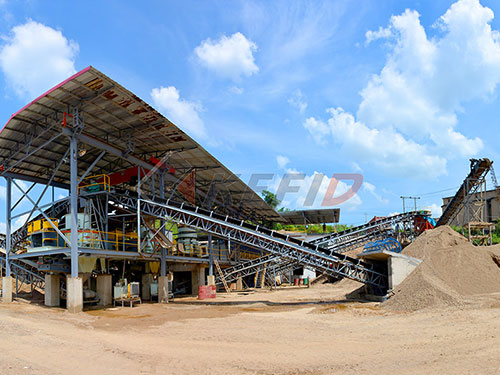
Core Components & Design Philosophy:
Automation & Control Systems: Modern high-quality plants integrate advanced programmable logic controller (PLC) systems for automated operation. Features like continuous level monitoring, crusher load control, automatic setting adjustment (for cone crushers), and real-time performance data tracking are hallmarks of a superior plant. This not only optimizes throughput but also enhances safety and predictive maintenance capabilities.
Mobility & Modularity: For many operations, quality includes flexibility. Track-mounted or wheel-mounted mobile crushing plants offer the advantage of moving the crusher to the ore face in open-pit mines. Modular designs allow for easier transport over long distances and scalable expansion.
The wholesale price of a complete iron ore crushing plant is rarely a simple sticker figure; it is an aggregate of multiple interrelated factors.
2 Technological Sophistication: Basic plants with manual controls are less expensive upfront but may incur higher long-term operating costs Adding automation dust suppression systems advanced lubrication systems metal detection tramp iron relief mechanisms significantly increases capital expenditure but delivers substantial ROI through efficiency gains reduced labor costs lower maintenance
3 Source of Manufacture & Brand Equity: Plants manufactured in regions with lower labor costs may offer competitive initial pricing However established global brands known for reliability R&D support extensive spare parts networks typically command premium Their equipment often comes with validated performance data superior metallurgy longer warranties justifying higher wholesale prices through total cost ownership
4 Degree of Customization vs Standardization: A fully customized plant engineered for specific ore characteristics hardness abrasion index moisture content or unique site constraints requires extensive design work specialized fabrication leading higher costs Conversely selecting from standardized modular designs can yield significant savings shorter delivery times
5 Supply Chain Ancillaries Scope Supply: Wholesale price varies dramatically based on what included Turnkey EPC Engineering Procurement Construction package encompassing civil works foundations electrical substations installation commissioning will be order magnitude higher than bare equipment FOB Free On Board price Ex-works manufacturer facility Common wholesale arrangements include
6 Market Conditions Raw Material Costs Fluctuations global steel prices component availability geopolitical factors affecting supply chains all influence final quotation Long lead times for major castings forgings electric motors can also impact pricing dynamics
For astute buyers wholesale price evaluation must be contextualized within broader operational economics The cheapest plant often proves most expensive over lifespan Key considerations include
The market high quality iron ore crushing plants evolving several trends impacting wholesale structures
Procuring High Quality Iron Ore Crushing Plant at competitive wholesale price represents strategic capital investment foundational stage mineral processing value chain While initial negotiation focuses on tangible hardware specifications delivery terms true value realized through years reliable low cost per ton operation Therefore most advantageous wholesale price one that balances reputable engineering robust construction intelligent automation comprehensive after sales support within overall project budget framework Successful buyer looks beyond invoice number evaluates total lifecycle cost partners supplier capable ensuring plant becomes asset driving productivity throughout mine life Ultimately optimal purchase decision aligns technical requirements operational goals financial constraints securing system that not only crushes ore efficiently but also crushes long term operating costs ensuring competitiveness volatile global commodities market
If you have any questions about our products, please feel free to contact us. We take all inquiries and suggestions very seriously.