
Professional Stone Quarry Crushing Plant Suppliers: A Comprehensive Guide to Selection, Technology, and Global Standards
The global construction and infrastructure development sectors rely heavily on the availability of high-quality aggregates, which are produced through stone quarry crushing plants. These plants are complex systems designed to extract, crush, screen, and stockpile various types of rock—such as granite, limestone, basalt, and gravel—into specific sizes for use in concrete, asphalt, road base, and other construction materials. Behind every efficient quarry operation is a professional stone quarry crushing plant supplier. These suppliers are not merely vendors of machinery; they are partners in engineering, project management, and long-term operational success. This article provides a detailed, objective examination of what constitutes a professional stone quarry crushing plant supplier, the key technologies they offer, critical selection criteria, and the evolving standards in the industry.
1. Defining a Professional Stone Quarry Crushing Plant Supplier
A professional supplier in this context is an entity that combines deep engineering expertise, manufacturing capability, global logistics, and after-sales service to deliver turnkey or customized crushing solutions. Unlike generic equipment dealers, professional suppliers understand the geological, environmental, and operational nuances of quarrying. They typically offer:
2. Core Technologies and Equipment Offered
A stone quarry crushing plant is a multi-stage process. Professional suppliers provide a range of equipment tailored to each stage:
Primary Crushing: The first stage reduces large boulders (up to 1 meter or more) to manageable sizes (150–300 mm). Common equipment includes:
Secondary and Tertiary Crushing: These stages further reduce material to final product sizes (e.g., 0–5 mm, 5–20 mm, 20–40 mm). Equipment includes:
Screening and Washing: After crushing, material must be separated by size. Professional suppliers offer:
Conveying and Stockpiling: Efficient material handling is critical. Suppliers provide belt conveyors, transfer points, and radial stackers for stockpiling.
Automation and Control Systems: Modern plants are increasingly automated. Professional suppliers integrate PLC-based control systems, remote monitoring, and predictive maintenance tools to optimize throughput and reduce downtime.
3. Key Selection Criteria for Buyers
Choosing the right supplier is a strategic decision. The following factors should be objectively evaluated:
A. Geological and Material Expertise
A supplier must demonstrate experience with the specific rock type in your quarry. For example, crushing granite requires different crusher configurations (e.g., jaw + cone) compared to limestone (impact crushers). Suppliers should provide test reports or pilot plant results to validate their recommendations.
B. Plant Capacity and Scalability
Determine your required throughput (tons per hour) and future expansion plans. Professional suppliers offer modular designs that allow for incremental capacity increases without complete plant replacement.
C. Energy Efficiency and Operating Costs
Crushing is energy-intensive. Look for suppliers that offer energy-efficient motors, optimized crusher settings, and wear parts with longer life. Total cost of ownership (TCO) should be evaluated, including power consumption, wear parts replacement frequency, and maintenance labor.
D. After-Sales Service and Spare Parts Availability
A plant is only as good as its support network. Professional suppliers maintain regional warehouses for critical spare parts (e.g., crusher liners, bearings, screens) and offer 24/7 technical support. They should also provide training for local operators and maintenance teams.
E. Environmental Compliance
Quarry operations face increasing environmental scrutiny. Suppliers should offer dust suppression systems (water sprays, misting), noise reduction enclosures, and closed-loop water recycling systems. Compliance with local emission and noise regulations is non-negotiable.
F. References and Track Record
Request case studies and contact references from similar projects. A supplier with a proven track record in your region or with your material type is preferable.
4. Global Market Landscape and Leading Suppliers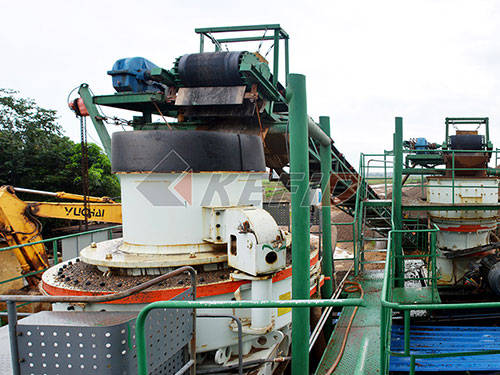
The stone quarry crushing plant market is dominated by a mix of multinational corporations and specialized regional players. Key global suppliers include:
Regional suppliers in India, Turkey, and Brazil also play significant roles, often offering tailored solutions for local materials and regulations.
5. Emerging Trends and Future Outlook
The industry is evolving rapidly. Professional suppliers are adapting to the following trends:
6. Conclusion
Selecting a professional stone quarry crushing plant supplier is a critical investment that impacts productivity, profitability, and environmental stewardship. The ideal supplier is not just a manufacturer but a partner that brings geological insight, engineering excellence, and long-term support. Buyers must conduct thorough due diligence, evaluating technical capabilities, service infrastructure, and alignment with sustainability goals. As the industry moves toward smarter, greener, and more efficient operations, the role of professional suppliers will only grow in importance. Whether you are establishing a new quarry or upgrading an existing plant, partnering with a reputable, experienced supplier is the foundation of success in the competitive aggregates market.
If you have any questions about our products, please feel free to contact us. We take all inquiries and suggestions very seriously.