
Wholesale 250–300 TPH Stone Crushing Plant Suppliers: A Comprehensive Guide for Aggregate Producers and Project Developers
In the global construction, mining, and infrastructure sectors, the demand for high-capacity aggregate processing equipment continues to rise. Among the most sought-after configurations is the 250–300 tonnes per hour (TPH) stone crushing plant. This capacity range strikes an optimal balance between production output, operational flexibility, and capital investment, making it a preferred choice for quarry operators, road contractors, and concrete producers. For buyers seeking cost-effective solutions, working with wholesale suppliers of 250–300 TPH stone crushing plants can significantly reduce procurement costs while ensuring reliable equipment and after-sales support. This article provides an in-depth analysis of what these plants entail, the key criteria for selecting wholesale suppliers, and a detailed overview of the global supply landscape.
A 250–300 TPH stone crushing plant is a complete processing system designed to reduce large rocks into smaller aggregates, sand, or mineral powders at a rate of 250 to 300 tonnes per hour. The exact output depends on the feed material’s hardness, moisture content, feed size, and the specific configuration of crushers and screens.
Typical components of such a plant include:
The modular or stationary design of these plants allows for customization based on site conditions, raw material characteristics, and desired end-product specifications.
Wholesale suppliers differ from retail dealers or original equipment manufacturers (OEMs) that sell through distributors. Wholesale suppliers typically:
For a 250–300 TPH plant, the price difference between a wholesale supplier and a traditional dealer can range from 15% to 30%, translating to tens of thousands of dollars in savings. However, wholesale sourcing requires careful due diligence to avoid inferior quality or lack of after-sales service.
1. Manufacturing Capability and Quality Control
A reputable wholesale supplier should have direct access to a manufacturing facility or be an authorized bulk distributor for a well-known brand. Ask for factory audit reports, ISO certifications (e.g., ISO 9001:2015), and CE or GOST marks if applicable. For 250–300 TPH plants, the crushers and screens must be built with high-grade steel, precision bearings, and robust frames to withstand continuous operation.
2. Technical Support and Customization
Every quarry is different. A good supplier will offer engineering support to tailor the plant layout, crusher selection, and screening configuration to your specific rock type and product requirements. Wholesale suppliers that employ in-house engineers or partner with design institutes can add significant value.
3. Spare Parts Availability
Downtime is costly. Ensure the supplier maintains a stock of critical spare parts—jaw plates, cone liners, screen meshes, belts, and bearings—and can ship them quickly. Wholesale suppliers often have regional warehouses or partnerships with local distributors.
4. After-Sales Service
Installation supervision, commissioning, operator training, and maintenance support are essential. A wholesale supplier may not have a global service network, so clarify how they handle on-site support. Some suppliers include remote diagnostics and video-guided troubleshooting.
5. References and Track Record
Request a list of past projects with similar capacity and material. Contact those clients to inquire about equipment reliability, supplier responsiveness, and actual throughput achieved. A supplier with a proven track record in your region or with your rock type is preferable.
6. Pricing and Payment Terms
Wholesale pricing should be transparent, with a detailed quotation listing all components, optional equipment, freight, insurance, and taxes. Be wary of unusually low prices that may indicate used or refurbished parts. Standard payment terms are 30% deposit, 70% before shipment, though some suppliers offer letters of credit or installment plans.
7. Compliance and Documentation
For international buyers, ensure the supplier provides necessary export documents, certificates of origin, and compliance with local safety and environmental regulations. Electrical components should match your country’s voltage and frequency.
The global market for 250–300 TPH stone crushing plants is dominated by suppliers from China, Turkey, India, and Europe. Each region has distinct advantages.
China: Chinese wholesale suppliers are the most numerous and price-competitive. Major manufacturing hubs include Shanghai, Henan, Shandong, and Guangdong. Companies like SBM, Liming, Zenith, and Shanghai Joyal are well-known, but many smaller wholesale suppliers also offer reliable equipment at lower prices. Chinese suppliers excel in customizing plants for export and often provide turnkey solutions.
Turkey: Turkish suppliers are strong in Europe, the Middle East, and Africa. Companies like Fabo, MEKA, and Constmach produce high-quality plants with European components. Their wholesale pricing is moderate, and they offer fast delivery to nearby regions.
India: Indian suppliers cater primarily to the domestic market and South Asia, with competitive pricing for 250–300 TPH plants. Companies like Propel, McNally Sayaji, and Puzzolana have extensive experience. However, export documentation and after-sales support may be less streamlined than Chinese or Turkish counterparts.
Europe: European suppliers (e.g., Metso, Sandvik, Kleemann) offer premium equipment with advanced automation and durability. Wholesale pricing is rarely available directly from OEMs, but bulk purchases through authorized distributors can yield discounts. European plants are ideal for high-specification projects in developed markets.
The total cost of a 250–300 TPH stone crushing plant from a wholesale supplier varies widely based on configuration, brand, and region. As a rough estimate: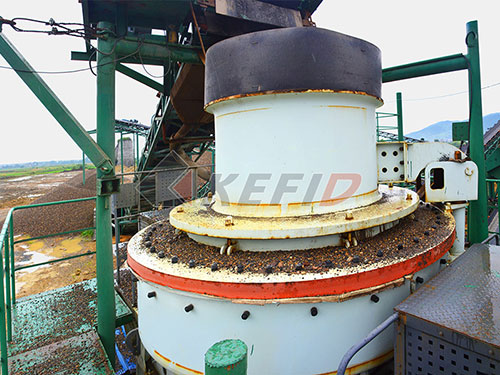
Additional costs include freight (especially for oversized components), customs duties, foundation construction, electrical wiring, and operator training. Buyers should request a total cost of ownership analysis from suppliers.
Wholesale sourcing carries risks: counterfeit parts, poor workmanship, lack of warranty, and communication barriers. To mitigate:
The stone crushing industry is moving toward automation, energy efficiency, and environmental compliance. Wholesale suppliers are increasingly offering plants with:
Buyers should prioritize suppliers that invest in these technologies to future-proof their operations.
Selecting a wholesale supplier for a 250–300 TPH stone crushing plant is a strategic decision that impacts project profitability, operational efficiency, and long-term reliability. By understanding the plant’s components, evaluating suppliers on quality, support, and track record, and carefully managing risks, buyers can secure a cost-effective solution without compromising performance. Whether sourcing from China, Turkey, India, or Europe, thorough due diligence and clear contractual agreements are essential. As global infrastructure demand grows, wholesale suppliers that combine competitive pricing with robust engineering and service will remain the preferred partners for aggregate producers worldwide.
If you have any questions about our products, please feel free to contact us. We take all inquiries and suggestions very seriously.