
In the global push towards a circular economy and sustainable industrial practices, the treatment and valorization of metallurgical by-products have moved from a peripheral concern to a core strategic operation. At the heart of this transformation lies the Wholesale Slag Crusher Plant—not merely a piece of machinery, but a sophisticated, integrated system born from dedicated Research and Development (R&D). This article delves into the intricate world of R&D for wholesale slag crusher plants, exploring how cutting-edge engineering transforms molten slag, a once troublesome industrial waste, into high-value construction aggregates and raw materials. The focus extends beyond simple crushing to encompass system optimization, economic scalability, and environmental stewardship for large-scale industrial clients.
Effective R&D begins with a deep understanding of the feedstock. Slag is not a uniform material; its properties vary dramatically based on its origin:
R&D must account for this variability. A one-size-fits-all plant is inefficient. Therefore, initial R&D phases involve extensive material sampling and analysis—testing for hardness (via Bond Work Index), abrasiveness (Los Angeles Abrasion Test), moisture content, feed size distribution, and degree of metal encapsulation. This data forms the bedrock upon which the entire plant design is built.
The R&D for a wholesale-oriented plant—designed for high-volume throughput (often 100-500 tons per hour or more) over long operational lifetimes—concentrates on several critical pillars:
A. Crushing Circuit Optimization & Particle Shape Enhancement
The primary goal is not just size reduction but producing a commercially viable product. R&D focuses on selecting and configuring crushers in multi-stage circuits (typically 2-3 stages) to optimize energy efficiency and cubical particle shape.
B. Metal Recovery Systems Integration
A significant portion of R&D is dedicated to maximizing the yield of recovered metal, which provides direct revenue offsetting processing costs. This involves:
C. Wear Part Technology & Lifecycle Cost Analysis
Slag’s abrasiveness is a major operational cost driver. Wholesale plant R&D invests heavily in materials science:
D. Dust Suppression & Environmental Control
A wholesale plant must operate within stringent environmental regulations. R&D here focuses on:
E. Automation & Smart Plant Technologies
Modern R&D transforms crusher plants into intelligent nodes within Industry 4.0 frameworks.
R&D for wholesale applications has distinct requirements beyond technical performance:
The business case for advanced slag crusher plant R&D is compelling:
R&D directly quantifies these benefits through Life Cycle Assessment (LCA) models tailored to specific plant designs.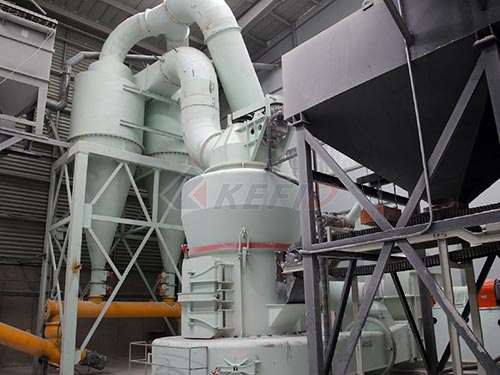
The frontier of innovation continues to expand:
1.Digital Twins & Simulation: Advanced software like Discrete Element Method (DEM) modeling simulates material flow through virtual prototypes of entire crushing circuits before physical construction begins.This optimizes chute design,bins,and screen efficiency drastically reducing commissioning problems
2.Advanced Comminution Technologies:Research into high-pressure grinding rolls(HPGRs)and vertical shaft impactors(VSIs)with multi-port rotors aims at achieving finer grinding sizes more efficiently opening markets in cement blending
3.Holistic By-Product Synergy:Future plants are being conceptualized as”Slag Valorization Hubs”that integrate crushing,drying,magnetic separation,and even grinding modules(GGBS production).They may incorporate adjacent processes like carbonation curing where CO₂is sequestered into slag products
4.Predictive AI & Machine Learning:Algorithms analyze historical operational data,vibration signatures,and production parameters predicting component failures weeks in advance optimizing spare parts logistics
The development of a modern wholesale slag crusher plant represents far more than assembling heavy machinery.It embodies an intensive multidisciplinary endeavor rooted in robust research.The goal transcends simple volume reduction;it aims at creating an economically resilient,sustainable,and intelligent system that systematically converts an industrial liability into valuable commodities.As resource scarcity intensifies,the role played by continuous innovation within this niche yet critical field will only grow more prominent.Dedicated investment into comprehensive plant-level research ensures that industries can meet their sustainability targets while simultaneously unlocking new revenue streams thereby closing one loop within our global material cycle
If you have any questions about our products, please feel free to contact us. We take all inquiries and suggestions very seriously.