Title: Import Stone Crusher Machine Manufacturers: A Comprehensive Guide to Global Sourcing, Key Players, and Market Dynamics
Introduction
The global construction, mining, and infrastructure development sectors are heavily reliant on efficient material processing equipment. Among the most critical machinery in these industries is the stone crusher, which reduces large rocks into smaller, usable aggregates. As demand for high-quality aggregates rises, many businesses look beyond their domestic markets to import stone crusher machines. This practice allows them to access advanced technology, competitive pricing, and specialized equipment not readily available locally. This article provides a detailed, objective analysis of the landscape of import stone crusher machine manufacturers, covering major producing countries, key players, factors to consider when importing, and current market trends.
1. The Global Landscape of Stone Crusher Manufacturing
Stone crusher manufacturing is a highly specialized industry concentrated in a few key regions known for their engineering capabilities, industrial infrastructure, and cost-effective production. The primary manufacturing hubs include:
- China: The undisputed global leader in both production volume and export of stone crushers. Chinese manufacturers offer a vast range of machines, from small, simple jaw crushers to large, complex mobile crushing plants. The country’s competitive advantage lies in its integrated supply chain, lower labor costs, and massive production scale.
- India: A significant player, particularly in the production of medium-capacity crushers and screening equipment. Indian manufacturers are known for their robust, cost-effective solutions and are increasingly focusing on export markets in Africa, the Middle East, and Southeast Asia.
- Europe (Germany, Italy, UK, France): These countries are renowned for high-precision engineering, durability, and advanced technology. European manufacturers typically produce premium, high-capacity machines with sophisticated automation and superior wear parts. They command higher prices but offer exceptional longevity and performance.
- United States & Canada: North American manufacturers focus on heavy-duty, high-reliability equipment designed for demanding applications. They are strong in the production of cone crushers, impact crushers, and mobile track-mounted units. The market is characterized by strong after-sales support and strict quality standards.
- Japan & South Korea: These countries are known for their advanced hydraulic systems, electronic controls, and compact, efficient designs. Their equipment is often favored for its precision and fuel efficiency, particularly in mobile and recycling applications.
2. Key Types of Stone Crushers Available for Import
When importing, it is crucial to understand the different types of crushers and their applications:
- Jaw Crushers: Ideal for primary crushing of hard, abrasive materials. They are simple, reliable, and widely used in quarries and mines.
- Cone Crushers: Used for secondary and tertiary crushing. They produce a more cubical product shape and are highly efficient for hard rock.
- Impact Crushers (HSI & VSI): Horizontal Shaft Impactors (HSI) are suitable for softer to medium-hard materials. Vertical Shaft Impactors (VSI) are used for shaping and producing fine aggregates.
- Hammer Crushers: Used for crushing coal, gypsum, limestone, and other medium-hard materials.
- Mobile Crushing Plants: Self-contained units mounted on tracks or wheels, offering flexibility and reduced transportation costs. They are increasingly popular for projects requiring frequent relocation.
3. Major Import Stone Crusher Machine Manufacturers (By Region)
A. China (Dominant Exporters)
- Metso Outotec (China subsidiary): While a Finnish company, its Chinese manufacturing facilities produce a wide range of crushers for the local and export markets.
- Sandvik (China subsidiary): Similarly, Sandvik’s Chinese plants produce high-quality crushers under strict global standards.
- Shanghai Shibang Machinery Co., Ltd. (SBM): One of the largest Chinese manufacturers, offering a comprehensive line of jaw, cone, impact crushers, and mobile plants. Known for competitive pricing and wide distribution.
- Zhengzhou Yifan Machinery Co., Ltd.: Specializes in mobile crushing and screening equipment. Their products are widely exported to Russia, Africa, and Southeast Asia.
- Henan Liming Heavy Industry Science & Technology Co., Ltd.: A major producer of heavy-duty crushers and grinding mills, with a strong presence in the global market.
- Zhejiang Shuangjin Machinery Holdings Co., Ltd.: Focuses on high-performance cone crushers and is known for its advanced technology and quality control.
B. India (Cost-Effective Solutions)
- Terex India (Subsidiary of Terex Corporation): Manufactures a range of crushers and screens under the Terex and Finlay brands, known for reliability.
- Puzzolana Machinery Fabricators: A leading Indian manufacturer of crushers, screens, and feeders. They offer complete crushing plants and are known for robust designs.
- Larsen & Toubro (L&T) Construction Equipment: Produces high-capacity jaw and cone crushers for large-scale projects.
- Marsman India Ltd.: A well-established manufacturer of small to medium-sized crushers, popular in developing markets.
- Propel Industries Private Limited: A rapidly growing company offering a wide range of crushing and screening equipment with a focus on innovation.
C. Europe (Premium Engineering)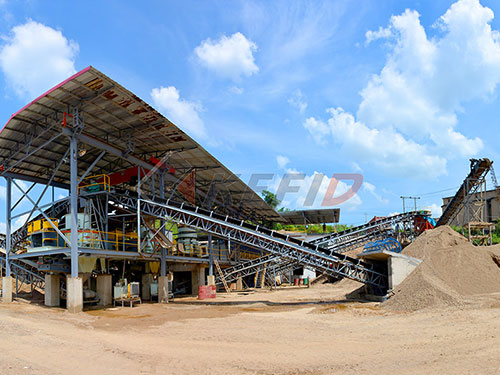
- Metso Outotec (Finland): A global leader in mining and aggregates equipment. Their Nordberg® series of crushers are industry benchmarks for performance and durability.
- Sandvik (Sweden): Known for its CH and CS series cone crushers and QJ series mobile jaw crushers. They offer advanced automation and high uptime.
- Thyssenkrupp (Germany): Produces large, heavy-duty crushers for mining and cement industries, including gyratory and jaw crushers.
- MFL (Austria): Specializes in mobile and stationary crushing plants, known for high-quality steel and robust construction.
- Rubble Master (Austria): A leader in compact, mobile impact crushers for recycling and small-scale quarrying.
D. North America (Heavy-Duty & High Reliability)
- Caterpillar (USA): While primarily known for heavy equipment, they offer mobile crushing solutions through their dealer network and partnerships.
- KPI-JCI and Astec Mobile Screens (USA): Part of Astec Industries, they manufacture a full line of crushing, screening, and material handling equipment.
- Eagle Crusher Company (USA): Specializes in impact crushers for the recycling and aggregate industries, known for their durability.
- McCloskey International (Canada): A major manufacturer of mobile crushers and screens, with a strong global dealer network.
4. Critical Factors to Consider When Importing Stone Crushers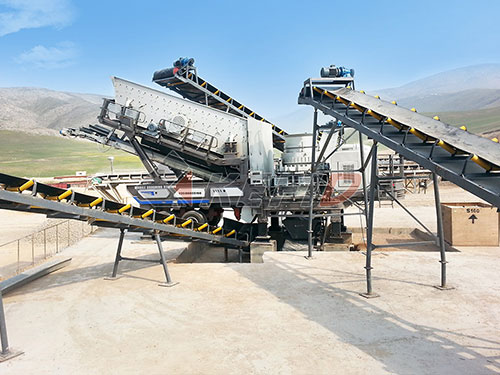
Importing heavy machinery involves significant risk and investment. The following factors must be carefully evaluated:
- Quality and Durability: Verify the manufacturer’s quality control processes (ISO 9001, CE, GOST certifications). Request material specifications for wear parts (e.g., manganese steel for jaw plates).
- After-Sales Support and Spare Parts: The availability of spare parts and technical support in your region is crucial. Some manufacturers have local dealers; others require direct import. Delays in parts can halt operations.
- Shipping and Logistics: Stone crushers are heavy and oversized. Calculate shipping costs (FOB vs. CIF), port handling, inland transportation, and customs clearance. Use a reliable freight forwarder experienced in heavy machinery.
- Customs Duties and Taxes: Research import duties, VAT, and any anti-dumping tariffs in your country. Some countries have preferential trade agreements that reduce costs.
- Voltage and Frequency: Ensure the machine’s electrical specifications (voltage, Hz) match your local grid. Many manufacturers offer customized electrical configurations.
- Warranty and Service Contracts: Clarify the warranty terms, coverage, and whether on-site installation and commissioning are included.
- Payment Terms: Standard terms include a percentage upfront (e.g., 30% deposit), with the balance against shipping documents (L/C or T/T). Be cautious of manufacturers demanding full payment before shipment.
- Machine Specifications: Match the crusher type, capacity (tons per hour), feed size, and output size to your specific material (hardness, abrasiveness, moisture content).
5. Market Trends and Future Outlook
- Rise of Mobile Crushers: The demand for mobile and semi-mobile crushing plants is surging due to their flexibility, reduced setup time, and lower civil works costs.
- Automation and IoT: Manufacturers are integrating advanced control systems, remote monitoring, and predictive maintenance features to improve efficiency and reduce downtime.
- Environmental Regulations: Stricter emission norms and noise regulations are driving the development of electric-powered and hybrid crushers. Dust suppression systems are becoming standard.
- Recycling and Circular Economy: There is growing demand for crushers capable of processing construction and demolition waste (C&D) into reusable aggregates.
- Localization of Production: Some global manufacturers are setting up assembly plants in key markets (e.g., India, Brazil, Indonesia) to reduce import costs and improve service.
- Digital Sourcing: Online B2B platforms (Alibaba, Made-in-China, Global Sources) and virtual factory tours are becoming common for initial supplier evaluation, though physical inspection remains critical.
6. Risks and Challenges in Importing
- Quality Variability: Especially with smaller Chinese manufacturers, quality can vary significantly. Always request samples of wear parts and conduct factory audits if possible.
- Communication Barriers: Language differences can lead to misunderstandings in specifications, delivery timelines, and warranty terms. Use clear, written communication and consider hiring a local agent.
- Currency Fluctuations: Exchange rate volatility can affect the final cost. Consider hedging or negotiating fixed prices in a stable currency (USD or EUR).
- Long Lead Times: Manufacturing and shipping can take 3–6 months or more. Plan your project timeline accordingly.
- Counterfeit Parts: Be wary of suppliers offering branded parts at very low prices. Always verify authorized distributors.
7. Steps for a Successful Import Process
- Define Requirements: Clearly specify the type of crusher, capacity, material characteristics, and output requirements.
- Shortlist Manufacturers: Based on reputation, certifications, and product range. Use industry directories, trade shows (e.g., Bauma, CONEXPO-CON/AGG), and referrals.
- Request Quotations (RFQ): Send detailed RFQs to at least 3–5 manufacturers. Compare not just price, but also delivery time, warranty, and included services.
- Conduct Due Diligence: Verify company registration, financial stability, and customer references. Consider a third-party inspection (e.g., SGS, Bureau Veritas) during production.
- Negotiate Contract: Include clear terms on payment, delivery, installation, training, and spare parts availability.
- Arrange Logistics: Engage a freight forwarder for shipping, insurance, and customs clearance.
- Inspect Before Shipment: Perform a pre-shipment inspection to ensure the machine meets specifications and is free of defects.
- Plan for Installation: Arrange for a qualified technician (either from the manufacturer or a local expert) to oversee installation and commissioning.
Conclusion
Importing stone crusher machines offers access to a wide array of technologies and price points, enabling businesses to optimize their operations. The global market is dominated by Chinese manufacturers for volume and cost, European and North American manufacturers for premium quality, and Indian manufacturers for balanced solutions. Success in importing requires meticulous planning, thorough due diligence, and a clear understanding of logistics, regulations, and after-sales support. By carefully evaluating the factors outlined in this article, importers can make informed decisions, mitigate risks, and secure reliable, high-performance crushing equipment that meets their specific project needs. As the global infrastructure and mining sectors continue to expand, the role of efficient, durable stone crushers will remain indispensable, and the import market will continue to evolve with technological advancements and shifting trade dynamics.
