
The Strategic Sourcing of Import Impact Crushers: Navigating Wholesale Pricing in a Global Market
In the aggregate, mining, and construction industries, the impact crusher stands as a pivotal piece of equipment. Unlike compression crushers that squeeze material until it breaks, impact crushers utilize high-speed rotor motion and blow bars to strike the feed material, shattering it along its natural fissures. This mechanism produces a highly cubical, uniform end-product, making it indispensable for producing high-quality concrete aggregates, asphalt pavement, and manufactured sand.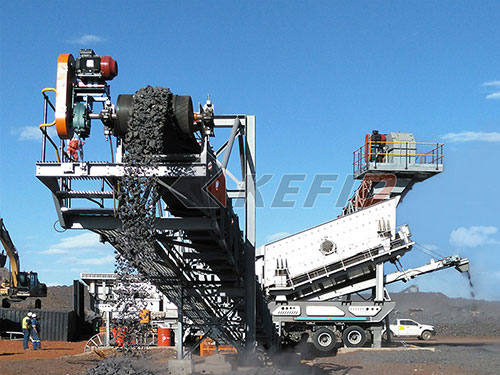
For distributors, rental fleet managers, and large-scale contractors, the decision to import impact crushers at wholesale prices is not merely a procurement transaction; it is a strategic capital investment. The global market for these machines is dominated by manufacturing hubs in China, Turkey, and Europe, each offering distinct value propositions. This article provides a comprehensive analysis of the factors influencing wholesale pricing, the logistics of importation, and the technical considerations essential for maximizing return on investment.
Before negotiating wholesale prices, one must understand that an impact crusher is not a commodity. The price spectrum ranges from $50,000 for a basic trailer-mounted unit to over $1.5 million for a high-capacity stationary primary impactor. The wholesale price is fundamentally determined by several engineering and material factors:
When importing impact crushers, the wholesale price is heavily influenced by the country of origin.
China: China remains the dominant source for wholesale impact crushers. The manufacturing ecosystem in provinces like Henan and Shanghai offers unparalleled economies of scale. Chinese wholesale prices are typically 30–50% lower than European equivalents. However, the market is bifurcated. Tier-1 Chinese manufacturers (often with joint ventures or European technology licenses) offer robust machines with competitive wholesale pricing (e.g., $80,000–$250,000). Tier-3 manufacturers offer extremely low wholesale prices but often lack after-sales support, spare parts availability, and adherence to CE or ISO safety standards.
Turkey: Turkey has emerged as a strong middle-ground supplier. Turkish manufacturers often use European components (e.g., Siemens motors, SKF bearings) while maintaining lower labor costs. Their wholesale prices for impact crushers are generally 15–25% lower than European brands, offering a compelling compromise between quality and cost.
Europe (Germany, Austria, UK): Brands like Metso, Sandvik, and Hazemag command a premium. Their wholesale prices are the highest, reflecting R&D, brand reputation, and global service networks. Importing these at wholesale prices usually requires large volume commitments or establishing a formal distributor agreement.
A common pitfall for importers is focusing solely on the FOB (Free On Board) price. The true wholesale cost of importing an impact crusher includes:
To secure favorable wholesale pricing, importers must leverage volume, consistency, and relationship-building.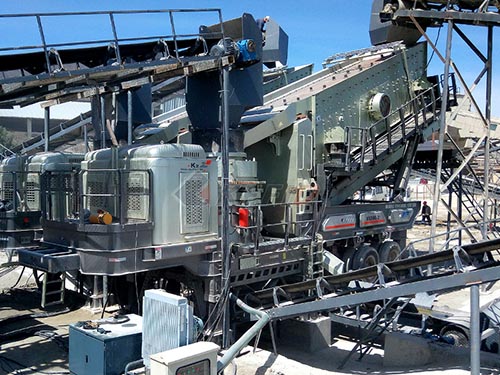
A wholesale price is only one component of the TCO. When evaluating import options, calculate the cost per ton of crushed material.
Importing heavy machinery requires meticulous planning. The Harmonized System (HS) code for impact crushers is typically 8474.20. The importer must ensure the machine complies with local noise and dust emission regulations. For instance, importing a used impact crusher at a “wholesale price” is often restricted or banned in many countries (e.g., India, China) to protect local manufacturing and environmental standards.
Furthermore, the physical import process involves:
The pursuit of import impact crushers wholesale price is a complex endeavor that balances engineering specifications, geopolitical supply chain dynamics, and financial negotiation. The lowest headline price is rarely the most cost-effective solution. Successful importers focus on Tier-1 or Tier-2 manufacturers who offer transparent wholesale pricing structures, robust after-sales support, and documented quality assurance.
As the global construction sector demands more manufactured sand and recycled concrete, the impact crusher market will continue to grow. By understanding the nuances of rotor metallurgy, container logistics, and total cost of ownership, buyers can transform a wholesale import from a risky gamble into a strategic asset that delivers years of profitable production. The key is to view the wholesale price not as a final number, but as the entry point to a long-term partnership with a reliable global supplier.
If you have any questions about our products, please feel free to contact us. We take all inquiries and suggestions very seriously.