Comprehensive Slag Crusher Plant Inspection: Ensuring Safety, Efficiency, and Longevity
In the demanding environments of steel mills, foundries, and metal recycling facilities, the slag crusher plant stands as a critical piece of infrastructure. Its primary function is to reduce solidified slag—a byproduct of smelting and refining processes—into specified sizes for valuable reuse in applications like road base, cement additives, or aggregate. Given its operation under conditions of extreme abrasion, dust, and mechanical stress, a rigorous and systematic inspection regime is not merely advisable; it is imperative for operational continuity, worker safety, and economic viability. This detailed guide outlines the key components and protocols for a professional slag crusher plant inspection.
1. The Philosophy of Inspection: Proactive vs. Reactive
A successful inspection program transcends simple checklist compliance. It embodies a proactive philosophy aimed at predictive maintenance. The goal is to identify wear patterns, minor misalignments, and early signs of failure before they escalate into catastrophic breakdowns, unplanned downtime (which can cost thousands per hour), or safety incidents. Inspections should be tiered: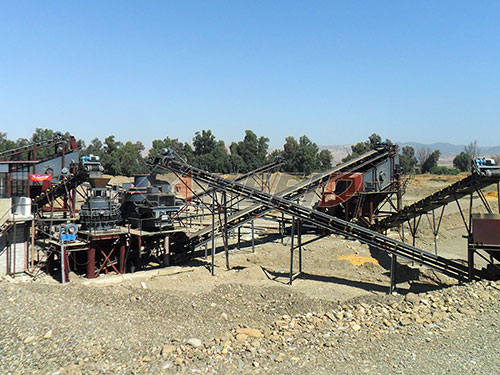
- Pre-Shift (Operational) Inspections: Daily checks by operators (visual/auditory).
- Weekly/Monthly (Technical) Inspections: More detailed checks by maintenance technicians.
- Quarterly/Annual (Comprehensive) Inspections: In-depth shutdown inspections involving engineering staff.
2. Pre-Inspection Preparations
Safety is paramount. The inspection cannot begin until:
- Isolation & Lockout/Tagout (LOTO): The entire plant is electrically and mechanically isolated. Control panels are locked out with unique individual locks from all personnel involved.
- Residual Energy Dissipation: Crusher flywheels and conveyor drives are completely stopped and verified.
- Cleaning & Access: Major buildup of dust and material is cleared to allow proper visual access. Confined space entry protocols are followed if internal inspection of crusher jaws or cones is required.
- Documentation Review: Previous inspection reports, maintenance logs, and OEM manuals are on hand for comparison.
3. Core Component Inspection: A Systematic Approach
A. Primary Crushing Unit (Jaw Crusher / Impact Crusher)
This endures the most severe impact and abrasion.
- Wear Parts: Measure jaw plates/impact hammers/blow bars for thickness. Check for uneven wear indicating improper feed or alignment. Look for cracks or “cupping” behind wear surfaces.
- Frame & Welds: Inspect the main frame for cracks or fatigue lines, especially around high-stress weld points and bearing housings.
- Toggle Plate & Seats: Check for cracks or deformation. Ensure it functions as the designed mechanical fuse.
- Drive System: Check V-belt tension and wear; sheave alignment; gearbox oil level, temperature history, and for signs of leakage.
B. Secondary/Tertiary Crushing Unit (Cone Crusher / Vertical Shaft Impactor)
Precision here defines final product gradation.
- Liner Wear: Precisely measure mantle and concave liners using profile gauges or laser scanning tools. Mapping wear patterns helps predict liner life and optimize replacement schedules.
- Eccentric Assembly & Bushings: Check for excessive clearance in eccentric bushings via hydraulic pressure monitoring or physical measurement during rotation.
- Clamping System & Threads: Inspect hydraulic clamping cylinders/threads for damage on cone crushers to ensure secure liner holding.
- Lubrication System: This is critical. Analyze oil samples for contamination (dust, water) and wear metal particles (indicative of internal component degradation). Check cooler efficiency, filter condition, and ensure all lubrication points to bearings are functional.
C. Material Handling System: Feeders & Conveyors
The “circulatory system” of the plant.
- Feed Hopper & Grizzly: Inspect liners for wear and integrity. Ensure grizzly bars are not bent or missing to prevent oversize material from reaching downstream crushers.
- Apron/Vibrating Feeder: Check pans/liners, chain links/sprockets for wear, drive shaft alignment, and vibration motor mounts/weights.
- Conveyor Belts: Examine the full belt length for cuts, fraying edges, and worn top covers at loading zones (skirt board area is critical). Check belt tracking rigorously.
- Idlers & Pulleys: Rotate each idler by hand; seized or noisy idlers cause belt damage. Inspect lagging on drive pulleys for wear and secure bonding.
- Scrapers & Chutes: Ensure primary/secondary belt scrapers are effective in cleaning; worn scrapers cause material carry-back damaging pulleys. Inspect chute liners at all transfer points to prevent plugging.
D. Screening Unit
Essential for product separation but vulnerable to fatigue stress from vibration
- Deck Surfaces: Examine screen cloths/polyurethane panels closely at feed end where impact occurs most severely looking out particularly towards middle sections where blinding may occur due near-size particles accumulation
- Side Plates/Tensioning System: Verify adequate tension across entire screening surface without any loose areas that could lead premature failure under load conditions
- Vibrator Mechanism/Bearings: Use infrared thermometer check bearing housing temperatures compare against baseline values; listen abnormal sounds indicating potential lubrication issues internal damage within vibrator assembly itself
E. Dust Suppression & Control Systems
Critical both environmental compliance operator health aspects alike
- Baghouse/Filters: Differential pressure gauge readings indicate filter condition – rising ΔP suggests blinding needing attention; visually inspect representative sample bags if possible during shutdown periods looking holes tears etc.,
- Ductwork Fans Dampers : Internal inspections ducting reveal erosion thin spots buildup material restricting airflow ; fan blades checked balance erosion while dampers confirmed move freely intended positions
4 Electrical Control Instrumentation Inspection
Modern plants rely heavily sophisticated controls requiring equal scrutiny alongside mechanical components themselves:
- Motor Control Centers MCCs : Thermographic survey performed identify hot connections overloaded circuits ; interior inspected cleanliness tightness terminals contactor condition generally assessed too .
- Drives Sensors : Variable Frequency Drive VFD parameters logged compared historical data detect anomalies ; level probes zero speed switches limit switches functionally tested ensure reliability .
- Wiring Cable Trays : General condition wiring checked especially areas high vibration heat exposure ; cable trays secured free abrasive material accumulation .
5 Structural Foundations Anchorage
Often overlooked yet fundamental integrity whole facility depends upon them :
- Base Frames Anchor Bolts : Every single anchor bolt visually inspected verify tightness using calibrated torque wrench according specifications ; concrete foundations examined cracks spalling particularly under support points vibrating equipment like screens feeders .
- Walkways Guardrails : Structural soundness all access platforms stairs guardrails confirmed meet OSHA equivalent standards secure handrails toe plates present throughout .
6 Post-Inspection Actions Documentation
An inspection incomplete without proper documentation follow-through :
- Detailed Report : Findings must documented clear standardized format including component location severity issue e.g., “Severe Wear”, “Monitor”, “Immediate Action” accompanied photographic evidence measurements taken .
- Prioritized Action Plan : Generate work orders prioritized based risk assessment criticality combining likelihood failure consequence thereof enabling effective resource planning .
- Update Maintenance Schedules : Inspection results should feed directly into predictive preventive maintenance schedules adjusting frequencies replacing parts based actual observed wear rates rather than fixed time intervals alone .
- Management Review Key Metrics such Overall Equipment Effectiveness OEE Mean Time Between Failures MTBF tracked trended over time demonstrate value comprehensive inspection program driving continuous improvement culture within organization ultimately leading higher availability lower operating costs improved safety performance overall .
Conclusion
A thorough slag crusher plant inspection represents a strategic investment far beyond routine upkeep It embodies holistic approach integrating mechanical integrity process efficiency stringent safety standards environmental responsibility By systematically examining each subsystem—from brutal forces within primary crushing chamber delicate balance cone crusher’s lube system relentless movement conveying network—operators engineers can transform reactive firefighting culture into one predictability control In an industry defined by abrasive materials harsh conditions such disciplined proactive stance only way safeguard significant capital assets ensure plant contributes reliably profitability sustainability enterprise long term
