
Impact Crushers: A Comprehensive Analysis of Technology, Applications, and Quotation Considerations
Introduction
In the aggregate, mining, construction, and recycling industries, the reduction of raw materials to specified sizes is a fundamental and often capital-intensive process. Among the various comminution technologies available, the impact crusher has established itself as a versatile and efficient solution for primary, secondary, and tertiary crushing applications. Unlike compression-based crushers such as jaw or cone crushers, impact crushers utilize the principle of rapid impact to fracture materials along their natural fissures and cleavage planes. This distinct mechanism yields products with superior cubical shape, higher reduction ratios, and reduced energy consumption in many scenarios. This article provides a detailed examination of impact crusher technology, its principal types, operational parameters, applications, and the critical factors that inform equipment quotations. By understanding these elements, procurement professionals, project engineers, and operators can make informed decisions when specifying and purchasing impact crushing equipment.
Fundamental Working Principle
The core operating principle of an impact crusher involves the acceleration of material by a rotating rotor equipped with blow bars. Feed material enters the crushing chamber and is struck by the rapidly moving blow bars. The kinetic energy imparted to the material causes it to fracture upon impact with the blow bars and subsequently against the impact plates or curtains lining the chamber. A key characteristic of impact crushing is the selective fracturing along grain boundaries and pre-existing cracks, which not only reduces energy requirements but also produces a more uniformly shaped end product. The material undergoes multiple impacts as it ricochets within the chamber until it is reduced to a size small enough to exit through the discharge opening. This process is highly effective for brittle, low-to-medium hardness materials, though it is less suitable for highly abrasive or very hard rocks.
Principal Types of Impact Crushers
Two primary categories dominate the market: horizontal shaft impactors (HSI) and vertical shaft impactors (VSI). Each possesses distinct design features, performance characteristics, and optimal application ranges.
Horizontal Shaft Impactors (HSI)
HSI crushers feature a horizontal rotor mounted within a heavy-duty housing. The rotor carries a number of blow bars, typically four or six, which are secured mechanically or hydraulically. Material is fed into the chamber and struck by the blow bars, then projected against adjustable impact plates (also called curtains). The gap between the rotor and the curtains determines the product size. HSI crushers are renowned for their high reduction ratios—often up to 20:1 in a single pass—and their ability to produce a well-graded, cubical product with minimal fines. They are commonly employed in secondary and tertiary crushing stages for limestone, dolomite, sandstone, and recycled concrete and asphalt. However, because they rely on impact rather than compression, HSI crushers experience higher wear rates when processing abrasive materials, and their blow bars require regular rotation or replacement.
Vertical Shaft Impactors (VSI)
VSI crushers differ fundamentally in that the rotor rotates about a vertical axis. Feed material is introduced into the top of the rotor and accelerated centrifugally outward through discharge ports. The material then strikes either an anvil ring (rock-on-rock configuration) or a bed of accumulated material (rock-on-rock or autogenous configuration). VSI crushers are exceptional for producing highly cubical, sand-sized particles and are widely used in the production of manufactured sand, aggregate shaping, and the processing of abrasive materials. Because they do not rely on fixed curtains, VSI crushers are more tolerant of wet, sticky, or highly abrasive feeds than HSI units. However, they generally have lower reduction ratios and higher power consumption per ton of product compared to HSI crushers.
Key Performance Parameters and Design Features
When evaluating impact crushers for a specific application, several technical parameters must be considered. Rotor diameter and width directly influence the maximum feed size and throughput capacity. Rotor speed, often adjustable via variable frequency drives, affects the velocity of the blow bars and thus the energy transferred to the material; higher speeds yield finer products but increase wear and power draw. The number and configuration of blow bars—whether straight, curved, or stepped—impact both the fracturing efficiency and the wear life. The design of the impact curtains, including their adjustment mechanism (hydraulic or mechanical), determines the ease of product size control. Additionally, the crushing chamber geometry, the type of wear liners, and the method of opening the housing for maintenance are critical for operational availability and cost per ton.
Applications Across Industries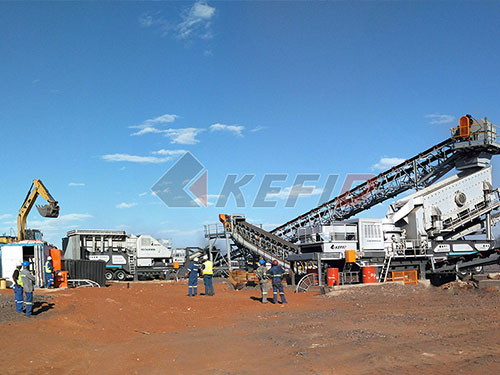
Impact crushers serve a broad spectrum of industries. In aggregate production, they are indispensable for producing specification-grade stone for asphalt and concrete. In mining, they are used for ore beneficiation, particularly for minerals that are not excessively hard or abrasive, such as phosphate, potash, and certain copper ores. The recycling industry relies heavily on impact crushers for processing construction and demolition waste, asphalt pavement, and glass. In the cement industry, impact crushers prepare raw materials like limestone and clay. Furthermore, VSI crushers are essential in the production of high-quality manufactured sand, which is increasingly vital as natural sand resources dwindle.
Factors Influencing Quotation Prices
Obtaining an accurate and competitive quotation for an impact crusher requires a clear understanding of the variables that drive cost. The following factors are paramount:
Machine Size and Capacity: Larger rotors, heavier housings, and higher throughput capacities naturally command higher prices. A crusher rated at 500 tons per hour will cost significantly more than one rated at 100 tons per hour.
Type and Configuration: VSI crushers, particularly those with advanced rock-on-rock chambers and hydraulic adjustment systems, often carry a premium over standard HSI models. Custom configurations for specific feed materials or product gradations also increase cost.
Materials of Construction: The grade of steel used for the rotor, blow bars, and wear liners directly affects durability and price. High-chrome or ceramic-insert blow bars cost more but last longer in abrasive applications. The choice between standard and heavy-duty housing also influences the quotation.
Drive and Control Systems: The electric motor, coupling, and any variable frequency drive (VFD) contribute to the total price. Automated control systems that monitor rotor speed, bearing temperature, and wear rates add value but also cost.
Auxiliary Equipment: Impact crushers are rarely sold in isolation. Quotations often include feed hoppers, vibrating feeders, discharge conveyors, dust suppression systems, and structural steel. The scope of supply must be clearly defined.
Manufacturer and After-Sales Support: Established brands with proven reliability, extensive service networks, and readily available spare parts typically price their equipment higher than lesser-known competitors. However, this premium is often justified by reduced downtime and lower total cost of ownership.
Market Conditions and Order Volume: Raw material prices, freight costs, and currency fluctuations can affect quotations. Bulk orders or long-term supply agreements may secure discounts.
Customization and Compliance: Modifications for specific site conditions, such as restricted height, extreme temperatures, or stringent safety regulations, can increase engineering and manufacturing costs.
Guidelines for Evaluating Quotations
When comparing quotations from different suppliers, buyers should not focus solely on the initial purchase price. A comprehensive evaluation should include the following:
Total Cost of Ownership (TCO): Calculate the cost per ton of processed material, factoring in wear parts consumption, energy usage, maintenance labor, and downtime. A lower-priced crusher with high wear rates may prove more expensive over its lifecycle.
Technical Suitability: Ensure the proposed crusher’s reduction ratio, capacity, and product gradation align with project requirements. Request material testing or references from similar applications.
Warranty and Service: Examine warranty terms, availability of spare parts, and the manufacturer’s responsiveness. A robust service agreement can mitigate operational risks.
Lead Time and Delivery: Confirm manufacturing lead times, shipping arrangements, and installation support. Delays can have significant financial implications.
Compliance and Safety: Verify that the equipment meets applicable safety standards (e.g., CE, OSHA) and environmental regulations.
Conclusion
Impact crushers represent a mature yet continually evolving technology that offers distinct advantages in terms of product shape, reduction ratio, and operational flexibility. The decision to procure an impact crusher should be grounded in a thorough analysis of the application, material characteristics, and production goals. Quotations must be scrutinized not merely as price tags but as comprehensive offers that encompass technical performance, durability, and after-sales support. By understanding the working principles of HSI and VSI crushers, the factors that influence pricing, and the metrics for evaluating supplier proposals, stakeholders can secure equipment that delivers optimal value over its entire service life. As industries increasingly prioritize efficiency, sustainability, and recycled content, the role of impact crushers is likely to expand, making informed procurement more critical than ever.
If you have any questions about our products, please feel free to contact us. We take all inquiries and suggestions very seriously.