Title: Comprehensive Analysis of Hammer Mill Pricing: Finding the Best Dealer and Optimal Value
Introduction
In the realm of industrial processing, agriculture, and material recycling, the hammer mill stands as a cornerstone of size reduction technology. Its robust design, versatility, and efficiency make it indispensable for grinding grains, crushing minerals, shredding biomass, and processing a wide array of other materials. For businesses and operators seeking to acquire this critical equipment, the phrase “Harga Hammer Mill Dealer Best Price” encapsulates a universal quest: to secure a high-quality machine at the most competitive cost from a reliable dealer. However, navigating the global market for hammer mills requires more than just a superficial price comparison. It demands a deep understanding of machine specifications, dealer credibility, total cost of ownership, and the nuanced factors that influence pricing across different regions and applications.
This article provides a professional, objective, and comprehensive exploration of hammer mill pricing, the role of dealers, and the strategies for identifying the best price without compromising on quality or after-sales support. We will dissect the components that drive cost, evaluate dealer networks, and offer actionable insights for making an informed procurement decision.
1. Understanding the Hammer Mill: Types and Core Components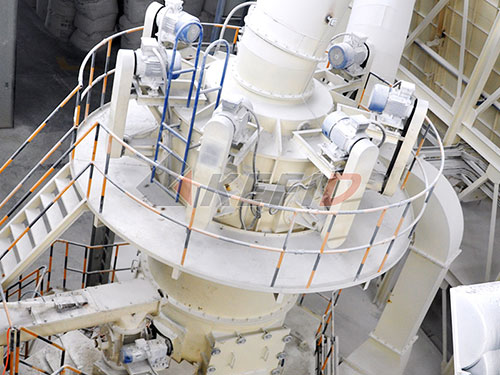
Before discussing price, it is essential to understand what you are buying. A hammer mill is not a monolithic product; it varies significantly in design, capacity, and application. The price is heavily dependent on these variables.
- Horizontal vs. Vertical Hammer Mills: Horizontal mills are the most common, featuring a rotor mounted horizontally with hammers that swing freely. Vertical mills, often used for finer grinding, have a vertical rotor and are typically more compact but can be more expensive due to their specialized design.
- Full Circle vs. Gravity Discharge: Full-circle screen hammer mills offer higher throughput for fine grinding, while gravity discharge models are simpler and cheaper, suitable for coarse to medium grinding.
- Material of Construction: The choice of materials—carbon steel, stainless steel, or abrasion-resistant alloys—directly impacts price. Stainless steel mills, required for food, pharmaceutical, or corrosive materials, command a premium.
- Motor Power and Drive System: The horsepower (HP) or kilowatt (kW) rating is a primary cost driver. A 50 HP mill will cost significantly less than a 500 HP industrial unit. Direct drive systems are generally more efficient but more expensive than belt-driven systems, which offer flexibility and lower initial cost.
- Screen and Hammer Configuration: The number of hammers, their arrangement, and the screen area (square inches) determine throughput and particle size control. Larger screen areas and more robust hammer designs increase manufacturing cost.
2. The Price Spectrum: From Small to Industrial Scale
The price of a hammer mill can range from a few hundred dollars for a small, manual-feed laboratory mill to hundreds of thousands of dollars for a heavy-duty, automated industrial system. To provide a realistic framework, consider the following general categories:
- Small-Scale / Laboratory Mills (1–10 HP): These are often used for research, small farms, or artisanal production. Prices typically range from $1,000 to $8,000 USD. Dealer prices in developing markets may be lower due to local manufacturing, but quality and durability may vary.
- Medium-Scale / Commercial Mills (15–75 HP): Common in animal feed production, small biomass plants, and mid-sized recycling operations. Prices generally fall between $8,000 and $40,000 USD. This is the most competitive segment, with many dealers offering “best price” promotions.
- Large-Scale / Industrial Mills (100–500+ HP): Used in large feed mills, ethanol plants, mineral processing, and heavy recycling. Prices range from $50,000 to over $300,000 USD. Here, the “best price” is less about the initial sticker and more about total cost of ownership, including energy efficiency, wear part longevity, and service contracts.
3. The Role of the Dealer: More Than a Middleman
The term “dealer” in the context of hammer mills can refer to original equipment manufacturers (OEMs), authorized distributors, independent resellers, or even used equipment brokers. The “best price” from a dealer must be evaluated in the context of the value they provide.
- Authorized Dealers vs. Unauthorized Sellers: Authorized dealers offer genuine parts, factory-trained service, and warranty support. Their prices may be higher than an unauthorized reseller, but the risk of counterfeit parts or lack of support is minimized. For critical industrial applications, the premium for an authorized dealer is often justified.
- Local vs. International Dealers: Local dealers can offer faster delivery, lower shipping costs, and easier communication. However, they may have a limited selection. International dealers, particularly those from manufacturing hubs like China, India, Turkey, or the United States, may offer lower base prices but add significant logistics, import duties, and potential language barriers.
- New vs. Used Equipment Dealers: Used hammer mills can be purchased at 30–60% of the new price. However, the “best price” for a used machine must account for wear on hammers, screens, bearings, and the rotor. A thorough inspection and a dealer who offers a warranty on used equipment are crucial.
4. Factors That Influence “Best Price” from a Dealer
Achieving the best price is not simply about haggling. It is a strategic negotiation based on several objective factors:
- Volume and Bulk Orders: Dealers are more willing to offer discounts for multiple units or for a complete processing line (e.g., hammer mill + conveyor + cyclone).
- Seasonal Demand: In agricultural regions, demand for hammer mills spikes before harvest seasons. Purchasing during off-peak months can yield better prices.
- Payment Terms: Cash or upfront payments often secure a lower price than financing or installment plans. Letters of credit (LC) for international transactions may also affect pricing.
- Trade-In Value: Some dealers accept old equipment as trade-in, reducing the net price.
- Freight and Installation: The “best price” should always be quoted as “delivered and installed” or at least “FOB (Free on Board)” to avoid hidden costs. A low machine price can be negated by exorbitant shipping or customs fees.
- After-Sales Support: A dealer offering a comprehensive package—including spare parts kits, training, and a 12-month warranty—may have a higher upfront price but a lower total cost of ownership.
5. Regional Market Analysis: Where to Find the Best Deals
The global hammer mill market is fragmented, with distinct pricing dynamics in different regions.
- North America and Europe: Prices are generally higher due to stringent quality standards, labor costs, and regulatory compliance (e.g., CE, OSHA). However, the equipment is typically more reliable, and dealer support is excellent. Best prices here are often found through direct OEM negotiations or during industry trade shows.
- China and India: These countries are major manufacturing hubs for hammer mills. Prices can be 30–50% lower than Western equivalents. However, quality varies widely. Reputable Chinese dealers (e.g., from Shandong or Henan provinces) offer competitive prices with good quality, but buyers must verify certifications, material thickness, and motor brand. The “best price” from Asia often requires a significant commitment to quality control and logistics.
- Southeast Asia (Indonesia, Vietnam, Thailand): Local manufacturing is growing, and dealers often offer very competitive prices for mid-range mills. The phrase “Harga Hammer Mill Dealer Best Price” is particularly relevant here, as local dealers frequently advertise aggressively. However, due diligence is essential to ensure the dealer is not using substandard components.
- Middle East and Africa: Prices are typically higher due to import duties and limited local manufacturing. The best strategy is often to work with a regional dealer who has established relationships with international manufacturers.
6. How to Evaluate a Dealer’s “Best Price” Offer
To ensure you are getting genuine value, follow this objective evaluation checklist:
- Request a Detailed Quotation: The quote must itemize the machine price, motor price, screen and hammer sets, shipping (FOB or CIF), insurance, and any applicable taxes.
- Compare Specifications, Not Just Price: Two mills with the same motor power may have vastly different throughput due to screen area, hammer tip speed, and rotor design. Ask for a capacity test report or reference installations.
- Check Dealer Reputation: Look for online reviews, ask for client references, and verify their business registration. A dealer with a long history and positive feedback is worth a higher price.
- Inquire About Spare Parts Availability: The best price is meaningless if you cannot source replacement screens and hammers. Ensure the dealer stocks or can quickly supply these critical wear parts.
- Negotiate a Service Contract: For industrial mills, a service contract covering periodic inspections and emergency repairs can be more valuable than a small discount on the machine price.
- Consider Total Cost of Ownership (TCO): Calculate the cost per ton of material processed over the machine’s expected lifespan. A cheaper mill that consumes more energy, wears out faster, and requires frequent downtime is far more expensive in the long run.
7. Common Pitfalls When Chasing the “Best Price”
- Buying on Price Alone: The cheapest mill often has the thinnest steel, the weakest bearings, and the least efficient motor. This leads to frequent breakdowns and high operating costs.
- Ignoring Safety Features: Some low-cost dealers omit essential safety guards, emergency stops, and dust control systems. This can lead to workplace accidents and regulatory fines.
- Overlooking Power Requirements: A mill that requires a 480V three-phase supply may be useless if your facility only has 220V single-phase. Always verify electrical compatibility.
- Falling for “Free Shipping” Gimmicks: The cost of shipping is always included somewhere. A dealer offering “free shipping” may have inflated the machine price to cover it.
8. Conclusion: The True Meaning of “Best Price”
In the pursuit of “Harga Hammer Mill Dealer Best Price,” the objective is not to find the absolute lowest number on a price tag. Rather, it is to achieve the optimal balance between initial investment, machine performance, dealer reliability, and long-term operating costs. A truly “best price” is one that ensures your hammer mill operates efficiently for years, with minimal downtime, and with a dealer who stands behind their product.
For buyers, the recommended approach is to:
- Define your exact processing needs (material type, desired particle size, throughput).
- Research at least three reputable dealers, both local and international.
- Request detailed, itemized quotations.
- Evaluate the total cost of ownership, not just the purchase price.
- Negotiate for added value—spare parts, training, extended warranty—rather than just a discount.
By adopting this disciplined, objective methodology, you can confidently navigate the global hammer mill market and secure a machine that delivers exceptional value, regardless of the currency or region. The “best price” is ultimately the price that brings the highest return on your investment.
