Crushing and Screening Equipment Producers: Research and Development Strategies, Innovations, and Market Dynamics
Introduction
The global mining, construction, and aggregate industries rely heavily on the efficiency, reliability, and technological advancement of crushing and screening equipment. These machines—ranging from jaw crushers and cone crushers to vibrating screens and mobile plants—form the backbone of material processing operations. As demand for high-quality aggregates, mineral processing efficiency, and environmental sustainability intensifies, the research and development (R&D) efforts of crushing and screening equipment producers have become a critical competitive differentiator. This article provides a comprehensive, objective analysis of the R&D landscape among leading producers, examining key innovation areas, technological trends, investment patterns, and the strategic imperatives driving R&D in this capital-intensive sector.
1. The Strategic Importance of R&D in Crushing and Screening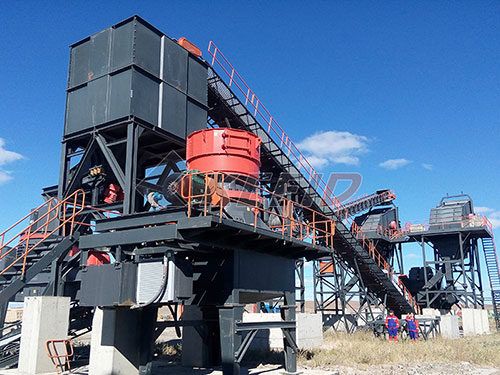
For producers of crushing and screening equipment, R&D is not merely an optional activity but a fundamental pillar of long-term survival and growth. The industry is characterized by high capital costs, long equipment lifecycles (often 10–20 years), and intense competition from both established multinationals and emerging regional players. R&D enables producers to:
- Enhance Operational Efficiency: Reducing energy consumption per ton of material processed is a primary goal. Modern crushers and screens are designed to maximize throughput while minimizing power draw, directly impacting the operating costs of end-users.
- Improve Product Quality and Consistency: Advanced crushing chambers, screening media, and control systems allow for precise particle size distribution and shape, meeting stringent specifications for concrete, asphalt, and road base.
- Extend Equipment Lifespan and Reduce Downtime: R&D focuses on wear-resistant materials, robust structural designs, and predictive maintenance technologies to maximize uptime in harsh operating environments.
- Comply with Environmental and Safety Regulations: Stricter noise, dust, and emission standards drive innovation in dust suppression, noise reduction, and electric or hybrid drivetrains.
- Enable Digitalization and Automation: The integration of sensors, IoT (Internet of Things), and AI (Artificial Intelligence) into crushing and screening plants is a major R&D frontier, allowing for remote monitoring, autonomous operation, and data-driven optimization.
2. Key R&D Focus Areas Among Leading Producers
Leading global producers—such as Metso Outotec (now Metso), Sandvik, Terex (including Powerscreen and Finlay), Astec Industries, Thyssenkrupp, and FLSmidth—invest heavily in several core R&D domains:
2.1. Crushing Chamber Design and Wear Parts
The heart of any crusher is its chamber geometry. R&D teams use computational fluid dynamics (CFD) and discrete element method (DEM) simulations to model material flow, breakage patterns, and wear distribution. Innovations include:
- Multi-action crushers: Designs that combine multiple crushing zones (e.g., compression and impact) to improve reduction ratios and product shape.
- Variable throw eccentric systems: Allowing operators to adjust the stroke of cone crushers in real-time to optimize performance for different feed materials.
- Advanced wear materials: Development of high-chrome alloys, ceramic composites, and manganese steel formulations that extend liner life by 20–50% in abrasive applications.
2.2. Screening Efficiency and Media Technology
Screening is often the bottleneck in processing plants. R&D focuses on: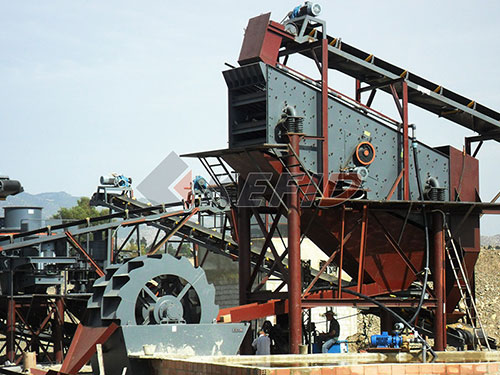
- High-frequency screens: Operating at higher frequencies (up to 6000 RPM) to separate fine particles more effectively.
- Modular screen media: Quick-change polyurethane, rubber, and wire mesh panels that reduce changeout time and improve screening accuracy.
- Flip-flow screens: For sticky or wet materials, these screens use elastic media to prevent blinding and enhance throughput.
2.3. Mobile and Modular Plant Design
The trend toward mobile and modular crushing and screening plants has accelerated, driven by the need for flexibility, rapid deployment, and reduced civil works. R&D in this area includes:
- Track-mounted crushers and screens: Lightweight, high-strength chassis designs that maintain stability while reducing transport weight.
- Hybrid and electric drivetrains: Integration of diesel-electric or fully electric power systems to lower emissions and fuel costs. For example, Sandvik’s “E-series” mobile crushers use electric motors for the crusher and conveyor, with a diesel engine only for the tracks.
- Automated setup and folding: Self-leveling systems, hydraulic folding conveyors, and remote-controlled operation that allow a single operator to set up a complete plant in minutes.
2.4. Automation and Digitalization
The most transformative R&D area is the integration of digital technologies. Producers are developing:
- Automatic Setting Regulation (ASR): Systems that continuously monitor crusher load, power draw, and liner wear to adjust the closed side setting (CSS) automatically, maximizing throughput and product quality.
- Predictive Maintenance: Vibration sensors, oil analysis sensors, and temperature monitoring linked to cloud-based platforms that predict component failures before they occur.
- Fleet Management Software: Platforms that aggregate data from multiple crushers, screens, and conveyors to provide real-time performance dashboards, historical trends, and optimization recommendations.
- Remote Operation Centers: Allowing operators to control plants from a safe, centralized location, reducing exposure to hazards and enabling 24/7 operation.
2.5. Sustainability and Circular Economy
Environmental regulations and corporate sustainability goals are driving R&D in:
- Dust and noise reduction: Enclosed crusher chambers, water spray systems, and sound-dampening materials.
- Recycling-focused designs: Crushers and screens specifically optimized for processing construction and demolition waste (C&D), asphalt, and concrete. For instance, impact crushers with adjustable aprons and rotor configurations that can handle rebar and other contaminants.
- Energy recovery: Some producers are exploring regenerative braking systems for mobile plants and heat recovery from crusher motors.
3. R&D Investment Patterns and Organizational Structures
The level of R&D investment varies significantly among producers. According to industry reports, top-tier global companies typically allocate between 3% and 6% of their annual revenue to R&D. For example, Metso Outotec reported R&D expenses of approximately €120 million in 2022, representing about 3.5% of sales. Sandvik’s Mining and Rock Solutions division invests a similar proportion.
R&D is typically organized in three tiers:
- Central R&D Centers: Located at headquarters (e.g., Tampere, Finland for Metso; Svedala, Sweden for Sandvik), these facilities focus on fundamental research, new product platforms, and long-term technology roadmaps. They house advanced test labs, pilot plants, and simulation clusters.
- Regional Application Centers: Situated near major markets (e.g., North America, Asia-Pacific, South America), these centers adapt global designs to local conditions—such as different rock types, climate extremes, or regulatory requirements.
- Customer Collaboration Labs: Some producers operate on-site test facilities where customers can trial equipment with their own materials. This close collaboration accelerates innovation and builds trust.
4. Emerging Technologies and Future R&D Directions
Looking ahead, several emerging technologies are poised to reshape crushing and screening R&D:
- Artificial Intelligence and Machine Learning: AI algorithms are being trained on vast datasets from thousands of operating plants to predict optimal crusher settings, detect anomalies, and even recommend maintenance schedules. For example, Metso’s “Metrics” platform uses machine learning to optimize plant performance.
- Autonomous Mobile Plants: While fully autonomous mobile crushers are still in prototype stages, companies like Sandvik have demonstrated autonomous haulage and loading systems. The next step is autonomous crushing and screening, where the plant self-adjusts to feed variations without human intervention.
- Additive Manufacturing (3D Printing): For producing complex wear parts, such as custom-designed liners or screen panels, additive manufacturing offers rapid prototyping and reduced inventory costs. Some producers are already using 3D-printed sand molds for casting.
- Advanced Materials Science: Research into nano-structured alloys, ceramic-metal composites, and self-healing materials could dramatically extend wear part life and reduce maintenance frequency.
- Hydrogen and Battery-Electric Power: As the industry moves toward zero-emission mining and construction, R&D is exploring hydrogen fuel cells and large-capacity battery packs for mobile crushing and screening plants. Pilot projects are underway in Scandinavia and Canada.
5. Challenges and Constraints in R&D
Despite the potential, R&D in this sector faces significant challenges:
- High Development Costs: Designing and testing a new crusher model can cost tens of millions of dollars, with a development cycle of 3–5 years.
- Risk Aversion: End-users are often conservative, preferring proven, reliable equipment over novel designs. This slows the adoption of radical innovations.
- Intellectual Property Protection: The industry is highly competitive, and patent infringement disputes are common. Producers must balance openness with secrecy.
- Talent Shortage: Finding engineers with expertise in both mechanical design and digital technologies (e.g., AI, IoT) is increasingly difficult.
- Regulatory Hurdles: Varying safety and environmental standards across jurisdictions complicate global product development.
6. Conclusion
Crushing and screening equipment producers are in the midst of a profound technological transformation. R&D is no longer solely about improving mechanical reliability or throughput; it now encompasses digitalization, sustainability, and autonomous operation. Leading producers are investing heavily in simulation, AI, and advanced materials to create equipment that is smarter, more efficient, and more environmentally friendly. While challenges remain—particularly in cost, risk, and talent—the trajectory is clear: the future of crushing and screening lies in integrated, data-driven, and sustainable solutions. For producers, those that prioritize R&D as a core strategic function will not only survive but thrive in an increasingly competitive and demanding global market.
