
In the realm of aggregate production for construction and infrastructure development, the 250-300 tons per hour (TPH) stone crushing plant stands as a critical workhorse. This mid-to-large capacity stationary plant represents the optimal balance between substantial output and manageable capital investment, making it a cornerstone asset for any serious commercial aggregate supplier or large-scale construction project. This article provides a detailed, objective analysis of such a plant, covering its design rationale, core components, operational workflow, economic significance, and key considerations for implementation.
A 250-300 TPH plant is engineered to process hard rock (granite, basalt) or abrasive materials (limestone, sandstone) into specified aggregate sizes. This output range translates to approximately 2.0 – 2.4 million tons per annum based on 20-hour operational days, positioning it ideally for:
This capacity tier is significant because it moves beyond small-scale or mobile crushing setups into the domain of fixed industrial processing. It requires systematic planning but offers economies of scale that lower the per-ton cost of production—a key competitive advantage.
A professional-grade 250-300 TPH plant is not merely a collection of machines but an integrated system designed for efficiency, reliability, and product flexibility. Its design follows a multi-stage crushing and screening circuit.
A. Primary Crushing Station (Jaw Crusher):
The process begins with a robust primary crusher, typically a large Jaw Crusher (e.g., 1200x1500mm feed opening). Its function is to accept large dump truck-fed boulders (up to ~1000mm) and reduce them to ~150-250mm. For softer materials like limestone, a primary impact crusher might be employed for higher reduction ratios in a single stage.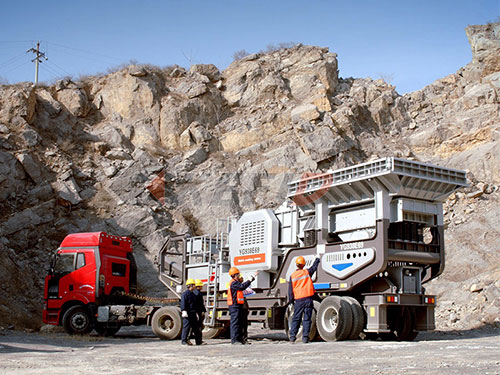
B. Secondary Crushing Stage (Cone Crusher):
The output from the primary crusher is conveyed to the secondary stage. Here, one or two Cone Crushers (e.g., 300-400 HP units) are the standard choice for their ability to produce well-shaped cubical aggregates efficiently. They further reduce material size to ~40-70mm. Modern hydraulic cone crushers with automatic setting regulation are crucial for maintaining consistent product gradation and protecting the machine from tramp metal.
C. Tertiary/Fine Crushing & Shaping Stage (Cone or VSI Crusher):
For producing high-quality concrete sand or finely shaped chips, a tertiary stage is often incorporated. This can involve additional cone crushers in closed circuit with screens or, increasingly common for premium products, a Vertical Shaft Impact (VSI) Crusher. The VSI excels at shaping aggregates through rock-on-rock or rock-on-steel attrition, enhancing particle shape critical for high-strength concrete and reducing bitumen consumption in asphalt mixes.
D. Screening & Classification System:
The heart of product specification control lies in the screening house—a multi-deck vibrating screen setup (typically 2-4 units). Screens separate crushed material into precise size fractions (e.g., 0-5mm sand; 5-10mm; 10-20mm; 20-31.5mm). Critical design elements include:
E. Conveying & Stockpiling:
A network of heavy-duty belt conveyors with appropriate widths and speeds (~1000-1200mm wide) links all stages. Radial stackers create segregated stockpiles for different finished products based on size and quality.
F. Ancillary Systems:
No professional plant operates without robust support systems:
Material flow is linear yet interdependent:
Modern plants leverage advanced automation systems that regulate feeder speeds based on crusher load (“cavity level monitoring”), adjust crusher settings in real-time via PLCs based on feedback loops from scales/sensors,and provide comprehensive data logging on production tonnage per product type,machine operating hours,and maintenance alerts.This maximizes uptime,efficiency,and product consistency while minimizing human error.
Investing in such facility represents significant capital expenditure ($3-$8 million depending on equipment selection ancillaries site preparation).However,the strategic benefits drive this investment:
Successful deployment requires meticulous planning:
1.Site Geology Feed Material Analysis Comprehensive testing hardness abrasiveness silica content moisture determines optimal crusher selection wear part metallurgy
2.Market Product Study Clear understanding required product mix sizes quality standards shapes final circuit design tertiary stage necessity VSI inclusion
3.Regulatory Compliance Environmental permits noise dust water runoff visual impact assessments fundamental preconstruction phase
4.Layout Logistics Plant layout must optimize material flow minimize conveyor lengths allow future expansion ensure safe access maintenance personnel vehicle movement
5.Lifecycle Cost Analysis Beyond initial purchase price evaluate expected maintenance costs energy consumption wear part consumption availability local service support OEM reputation
A professionally engineered commercial stone crushing plant rated at -TPH represents sophisticated industrial system far beyond simple rock breaking It embodies integration mechanical engineering electrical controls process logic environmental stewardship When designed operated maintained according professional standards becomes not just production facility but strategic pillar infrastructure development enabling creation roads buildings bridges that form skeleton modern society Its continued relevance assured by perpetual global demand durable affordable construction materials produced responsibly efficiently scale
If you have any questions about our products, please feel free to contact us. We take all inquiries and suggestions very seriously.