
In the realm of large-scale infrastructure and railway construction, the demand for high-quality, specification-compliant ballast is constant. For quarry operators looking to enter or expand in this market, procuring the right crushing equipment is a critical capital decision. A Commercial Quarry Ballast Crushing Equipment Quotation is far more than a simple price list; it is a technical and commercial proposal that outlines the solution, investment, and expected performance for producing railway ballast. This detailed article explores the components, technical considerations, and strategic evaluation of such a quotation.
Before dissecting the quotation, one must understand what ballast is. Railway ballast is the graded crushed stone placed between, below, and around railway sleepers (ties). Its primary functions are to distribute load, provide drainage, inhibit vegetation growth, and facilitate track adjustment. Key specifications (governed by standards like AREMA in the US or EN 13450 in Europe) typically require: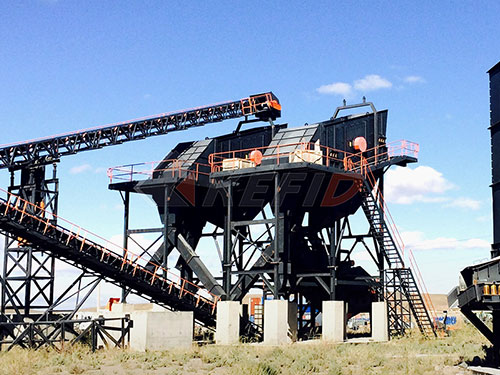
The crushing plant’s design must be engineered to meet these exacting requirements efficiently.
A professional quotation from a reputable equipment supplier will be a comprehensive document containing:
A. Technical Proposal & Process Flow
This section details the recommended plant layout and equipment sequence to transform raw feed (shot rock) into final ballast product.
B. Detailed Equipment List & Specifications
Each major machine will be listed with its model number, key specifications (feed opening capacity power motor rating throughput capacity in tonnes per hour TPH), and optional features e.g., hydraulic adjustment systems automatic overload protection wear monitoring.
C. Commercial Offer & Pricing
This breaks down costs:
D. Scope of Supply & Exclusions
A critical section clarifying what is included e.g., motors starters basic cabling within plant panel design foundation drawings AND what is not e.g., civil works on site customer-side high-voltage connection quarry face equipment shipping insurance if not CIF
E. Performance Guarantees & Warranty
Reputable suppliers will offer guarantees on:
F. Delivery Schedule & Project Timeline
Estimated manufacturing lead times shipping duration site erection commissioning period
G. Service Support
Outline of after-sales service installation supervision operator training availability of spare parts remote diagnostics support
Several variables directly impact the proposed solution and its cost: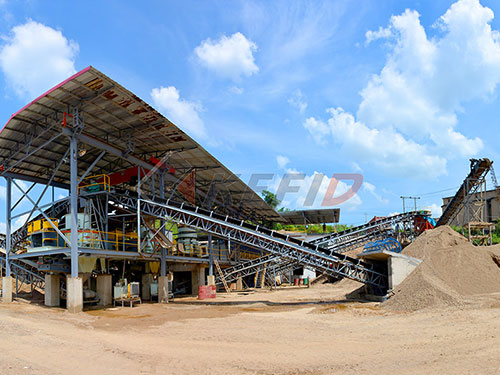
When comparing quotations wise buyers conduct a Total Cost of Ownership TCO analysis:
1 Compare Technical Fitness Does each proposed flow sheet convincingly address your specific rock type produce compliant cubical shape?
2 Evaluate Efficiency Metrics Compare guaranteed throughput versus installed power consumption Higher efficiency may justify higher capex through lower operating costs
3 Analyze Operational Costs Estimate cost per tonne considering wear part consumption liner life expected downtime ease maintenance accessibility Availability spare parts local service support crucial
4 Consider Flexibility Can plant easily adjusted produce different aggregate products market demands change?
5 Assess Supplier Reputation Financial stability reference projects similar scale applications essential Long-term partnership matters
A Commercial Quarry Ballast Crushing Equipment Quotation is foundational document that translates geological resource into viable business plan It combines engineering principles market understanding commercial terms Evaluating requires blend technical knowledge strategic foresight Ultimately best quotation not cheapest one but offers most reliable cost-effective solution over lifespan ensuring consistent production high-quality ballast meeting stringent industry standards thereby securing long-term profitability quarry operation Investment right equipment guided thorough professional quotation single most important step establishing successful sustainable ballast production enterprise
If you have any questions about our products, please feel free to contact us. We take all inquiries and suggestions very seriously.