
Certified Top Ten Stone Crusher Machine Inspection: A Comprehensive Framework for Operational Assurance and Regulatory Compliance
Abstract
Stone crusher machines constitute the backbone of aggregate production across mining, construction, and infrastructure sectors. Given their high-energy operation, abrasive working environment, and potential for catastrophic failure, inspection protocols must transcend routine maintenance. This article delineates a certified inspection framework for the “Top Ten” categories of stone crusher machines—jaw, cone, impact (HSI and VSI), hammer, roller, gyratory, mobile, portable, stationary, and specialized crushers. The discussion emphasizes objective criteria, certification standards, inspection intervals, and documentation practices necessary to ensure mechanical integrity, personnel safety, and environmental compliance.
1. Introduction
The term “Top Ten Stone Crusher Machine Inspection” refers to a structured, certified evaluation regimen applied to the ten most prevalent crusher classifications in industrial aggregate processing. Certification implies adherence to recognized standards—such as ISO 21873 (Building construction machinery – Mobile crushers), ANSI/ASSP Z244.1 (lockout/tagout), and regional mining safety regulations (e.g., MSHA 30 CFR Part 56/57 in the United States). An effective inspection program is not merely a checklist; it is a documented, repeatable, and auditable process that verifies machine condition, safeguards operators, and sustains production efficiency.
2. The Top Ten Crusher Categories and Inspection Specifics
2.1 Jaw Crushers
Inspection focuses on the wear of jaw plates, toggle plates, and cheek plates. Certified inspectors measure the discharge opening (CSS) with calibrated gauges, verify flywheel guard integrity, and assess bearing temperature trends. Lubrication systems require sampling for contamination. Structural cracks in the frame—particularly at weld seams—must be detected via dye penetrant or magnetic particle testing on an annual basis.
2.2 Cone Crushers
Critical inspection points include the mantle and bowl liner wear profile, hydraulic clamping pressure, and the condition of the eccentric bushing. Certified inspection requires thermal imaging of the lubrication return line and vibration analysis of the countershaft. The lube oil tank must be checked for water ingress and particulate count exceeding ISO 4406 cleanliness codes.
2.3 Horizontal Shaft Impact (HSI) Crushers
Blow bar wear, rotor balance, and curtain adjustment are primary. Inspectors must verify the integrity of rotor lock pins and the condition of the impact aprons. Certified inspection includes dynamic balancing verification after blow bar replacement and clearance measurement between blow bars and curtains using feeler gauges.
2.4 Vertical Shaft Impact (VSI) Crushers
Inspection emphasizes rotor tip wear, anvil condition, and feed tube integrity. Vibration signature analysis is mandatory to detect rotor imbalance. Certified inspectors also verify the lubrication of the upper and lower bearings and confirm that the hydraulic lid-lifting system operates within specified pressure limits.
2.5 Hammer Crushers
Hammer weight loss, rotor pin wear, and grate bar spacing are inspected. Certified protocols require weighing hammers to ensure uniform mass distribution (deviation < 2%). The breaker plate adjustment mechanism must be functionally tested, and the drive coupling alignment verified with laser alignment tools.
2.6 Roller Crushers
Roll shell wear pattern, bearing clearance, and hydraulic roll pressure are inspected. Certified inspection includes checking the scraper blades for proper contact and verifying the gap setting with calibrated shims. Roll surface hardness may be tested via portable Leeb rebound hardness testers.
2.7 Gyratory Crushers
Inspection of the spider bearing, eccentric wear, and mantle profile is performed. Certified inspectors use ultrasonic thickness gauging on the shell liners. Oil flow rate and pressure at the lubrication manifold must be recorded and compared to OEM specifications. The hydraulic adjustment system requires functional testing under load.
2.8 Mobile Crushers
Inspection encompasses the crusher unit plus the chassis, tracks, and power pack. Certified inspection includes undercarriage wear measurement (track shoe height, roller diameter), hydraulic hose condition assessment, and engine emission compliance verification. Safety interlocks—such as proximity sensors on feeder doors—must be functionally tested.
2.9 Portable Crushers
Similar to mobile units but emphasizing towability and setup stability. Certified inspection verifies kingpin integrity, brake system function, and outrigger hydraulic locks. Electrical systems require insulation resistance testing (megger) and ground continuity verification.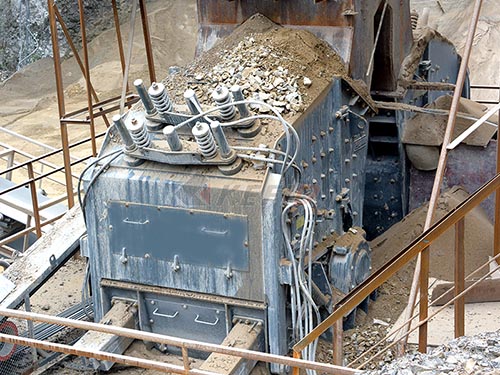
2.10 Stationary Crushers
Inspection focuses on foundation bolt torque, isolation pad condition, and structural steel integrity. Certified inspection includes alignment checks between the crusher and drive motor using dial indicators or laser systems. Dust suppression and enclosure ventilation systems are assessed for airflow and filter condition.
3. Certification Requirements and Inspector Competence
A “certified” inspection implies that the inspector holds recognized credentials—such as Certified Maintenance & Reliability Professional (CMRP), ISO 18436 vibration analyst certification, or manufacturer-specific training. Inspection reports must include objective evidence: calibrated tool readings, photographic documentation, and trend data. Certification bodies may accredit inspection firms under ISO/IEC 17020 for inspection body competence.
4. Inspection Intervals and Documentation
Daily inspections (pre-shift) cover visual checks, fluid levels, and safety devices. Weekly inspections include torque verification and belt tension. Monthly inspections involve vibration and thermographic analysis. Annual certified inspections require partial disassembly, non-destructive testing, and performance testing against OEM baseline curves. All records must be retained for the machine’s service life and made available to regulatory authorities upon request.
5. Safety and Environmental Considerations
Certified inspection must verify lockout/tagout points, emergency stop functionality, and guard integrity. Dust emission monitoring—particularly crystalline silica—is mandatory in many jurisdictions. Noise levels at operator positions must be measured and compared to 85 dBA exposure limits. Inspection protocols should reference ISO 14120 (guards) and ISO 13850 (emergency stop).
6. Conclusion
A certified Top Ten Stone Crusher Machine Inspection program transforms maintenance from reactive repair to proactive assurance. By applying standardized, objective, and documented inspection criteria across the ten principal crusher categories, operators can mitigate catastrophic failure risks, extend asset life, and demonstrate regulatory compliance. Certification is not a one-time event but a continuous cycle of measurement, analysis, and corrective action—anchored in verifiable evidence and competent personnel.
References
If you have any questions about our products, please feel free to contact us. We take all inquiries and suggestions very seriously.