
Understanding 250–300 TPH Stone Crushing Plant Private Label Manufacturer Prices: A Comprehensive Guide
In the aggregate, mining, and construction industries, the demand for efficient, high-capacity stone crushing solutions continues to grow. Among the most sought-after configurations is the 250–300 TPH (tons per hour) stone crushing plant. This capacity range strikes a balance between medium-scale and large-scale production, making it ideal for quarry operators, contractors, and aggregate producers who need consistent output without the complexity of a full-scale industrial mega-plant. For businesses looking to enter the market with their own brand or expand an existing product line, private label manufacturing has become an attractive route. This article explores the technical, commercial, and strategic dimensions of sourcing a 250–300 TPH stone crushing plant from private label manufacturers, with a focus on pricing structures, cost drivers, and procurement considerations.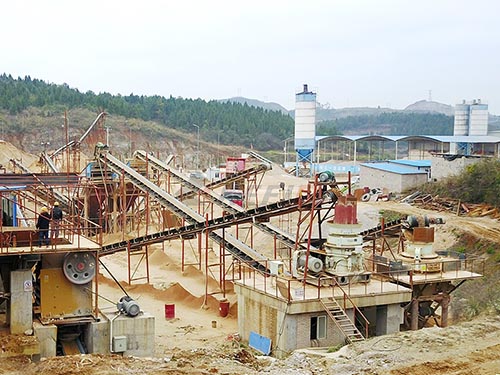
A stone crushing plant with a capacity of 250 to 300 tons per hour is typically a multi-stage system designed to reduce large rocks into smaller, graded aggregates. The exact configuration depends on the feed material (limestone, granite, basalt, river stone, etc.), the desired product size distribution, and the level of automation required. A standard plant in this range usually includes:
The plant may be stationary, semi-mobile, or modular. Stationary plants are the most common for private label manufacturing because they offer greater design flexibility and lower unit costs for high-volume production.
Private label manufacturing in the crushing equipment sector refers to a business arrangement where a manufacturer (often based in China, Turkey, India, or Eastern Europe) produces a stone crushing plant according to a client’s specifications, which is then branded and sold under the client’s own name. The client—typically a distributor, engineering firm, or equipment brand—does not own the factory but controls the product design, quality standards, and marketing.
This model offers several advantages:
However, private label also brings challenges: quality control, intellectual property protection, supply chain reliability, and the need for clear contractual terms. These factors directly influence pricing.
The price of a 250–300 TPH stone crushing plant from a private label manufacturer is not a single figure but a range influenced by multiple variables. Understanding these drivers is essential for accurate budgeting and negotiation.
a. Equipment Configuration and Brand of Components
The type and brand of crushers, screens, and feeders significantly affect cost. For example:
b. Capacity and Redundancy
A true 300 TPH plant requires larger crushers, wider conveyors, and more screening area than a 250 TPH plant. Designing for 300 TPH with 10–15% surge capacity may increase the price by 10–20%. Redundant components (e.g., dual screens or standby pumps) add cost but improve uptime.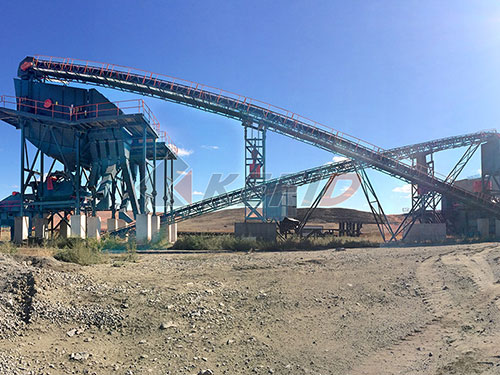
c. Automation and Control Level
A basic relay-controlled plant is cheaper (by 5–10%) than a PLC-based system with SCADA integration, remote monitoring, and automated fault diagnosis. Private label clients targeting premium markets often specify advanced controls, which raises the price.
d. Structural Steel and Fabrication Quality
The chassis, support structures, and platforms can be fabricated from standard carbon steel or high-strength, corrosion-resistant steel. The latter adds 8–15% to the cost. Similarly, the quality of welds, surface treatment (painting or galvanizing), and modular design affect price.
e. Customization for Private Label
Private label requirements—such as custom paint colors, branded control panels, multilingual manuals, and unique part numbering—add engineering and administrative overhead. These costs are usually passed on to the client but can be minimized with high order volumes.
f. Logistics and Incoterms
The price quoted by a private label manufacturer may be EXW (ex works), FOB (free on board), or CIF (cost, insurance, freight). For a 250–300 TPH plant, shipping costs can range from $15,000 to $50,000 depending on destination and shipping method (container vs. break bulk). Import duties, taxes, and port charges are additional.
g. Order Volume and Payment Terms
A single-unit order typically commands a higher unit price than a repeat order or a multi-unit contract. Payment terms (e.g., 30% deposit, 70% before shipment) also influence the manufacturer’s willingness to offer discounts.
Based on market data from private label manufacturers in Asia and Europe (as of 2024–2025), the following price ranges are indicative for a 250–300 TPH stationary stone crushing plant:
These figures are for the plant equipment only, excluding civil works, installation, and commissioning. For a private label agreement, the manufacturer may offer a 5–15% discount compared to equivalent branded equipment, depending on order size and contract length.
It is important to note that these prices are not fixed. They fluctuate with steel prices, exchange rates, and supply chain conditions. A reputable private label manufacturer will provide a detailed quotation with line-item pricing, allowing the client to see the cost of each component.
When sourcing a 250–300 TPH plant from a private label manufacturer, due diligence is critical. Consider the following:
Private label pricing is negotiable, especially for long-term partnerships. Strategies include:
While the initial purchase price is important, TCO should guide the decision. A cheaper plant may have higher maintenance costs, lower uptime, and shorter lifespan. For a 250–300 TPH plant, consider:
A 250–300 TPH stone crushing plant is a significant investment for any aggregate producer. Private label manufacturing offers a viable path to market entry or expansion, with potential cost savings of 10–20% compared to established brands. However, the price is not merely a number—it reflects equipment quality, customization, automation, and service. Prospective buyers should obtain multiple quotations, visit factories, and negotiate terms that balance upfront cost with long-term reliability. By understanding the cost drivers and adopting a strategic procurement approach, businesses can secure a private label crushing plant that delivers consistent performance, protects their brand, and maximizes return on investment.
As the global demand for aggregates continues to rise, private label manufacturing will likely play an increasingly important role in the crushing equipment supply chain. Those who master the nuances of pricing, quality control, and partnership management will be best positioned to succeed.
If you have any questions about our products, please feel free to contact us. We take all inquiries and suggestions very seriously.