
250-300 TPH Stone Crushing Plant Manufacturers Brochure: A Comprehensive Technical Overview
Introduction
In the realm of medium-to-large scale aggregate production, the 250-300 tons per hour (TPH) stone crushing plant represents a critical threshold of operational capacity. This throughput range is ideally suited for infrastructure projects, commercial quarry operations, and large-scale construction material supply chains. Manufacturers specializing in this capacity class must balance robust engineering, energy efficiency, mobility considerations, and compliance with stringent environmental regulations. This article provides a detailed, objective analysis of the key components, design philosophies, manufacturer profiles, and operational parameters that define a 250-300 TPH stone crushing plant, serving as a technical brochure for industry professionals.
1. Core System Architecture and Flow Design
A 250-300 TPH plant is typically a multi-stage crushing system. The standard configuration involves three stages: primary, secondary, and tertiary crushing, often combined with screening and material handling units. The flow design must ensure a consistent feed rate, minimal recirculation loads, and optimal reduction ratios.
1.1 Primary Crushing Stage
The primary crusher is the workhorse of the plant. For this capacity range, the most common choices are:
1.2 Secondary and Tertiary Crushing
1.3 Screening and Classification
1.4 Conveying and Material Handling
Belt conveyors must be sized to handle peak loads. For 250-300 TPH, conveyor widths of 800-1000 mm are common, with belt speeds of 1.2-1.8 m/s. Transfer points are designed with impact beds and skirt boards to minimize spillage and dust.
2. Key Technical Specifications and Performance Metrics
Manufacturers provide detailed brochures with the following critical data: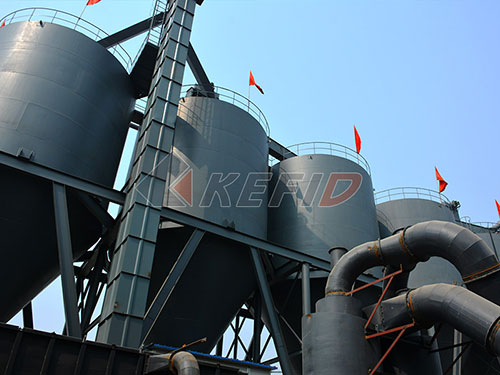
| Parameter | Typical Value | Notes |
|---|---|---|
| Total Installed Power | 350-500 kW | Varies with material hardness |
| Feed Size (Max) | 800-1000 mm | Determined by primary crusher opening |
| Final Product Size | 0-40 mm (adjustable) | Through screen changes |
| Product Gradation | 4-6 fractions | Depending on screen deck configuration |
| Plant Weight | 80-120 tons (excluding civil works) | Modular designs reduce foundation requirements |
| Operating Noise | <85 dB(A) at 1 m | With proper enclosures |
| Dust Emission | <20 mg/Nm³ | With baghouse or wet scrubber |
3. Leading Manufacturers and Their Design Philosophies
3.1 Metso Outotec (Finland/Sweden)
Metso’s Lokotrack series and stationary plants are benchmarked for reliability. Their 250-300 TPH stationary plant often uses the Nordberg® C120 jaw crusher (primary) and GP330 cone crusher (secondary). Key features include:
3.2 Sandvik (Sweden)
Sandvik’s CH and CS series cone crushers are widely used in this capacity range. Their stationary plant brochure emphasizes:
3.3 Terex (USA/Ireland)
Terex’s Finlay and Powerscreen brands offer robust solutions. The Terex Finlay J-1175 jaw crusher and C-1545 cone crusher are common. Their brochure highlights:
3.4 Chinese Manufacturers (e.g., SBM, Zenith, Liming Heavy Industry)
Chinese manufacturers dominate the cost-effective segment. Their 250-300 TPH plants are often fully stationary and include:
Key advantages: Lower initial capital cost (30-40% less than European brands), faster delivery, and extensive spare parts availability in developing markets. However, they may require more frequent maintenance and have lower energy efficiency.
4. Design Considerations for Specific Applications
4.1 Hard Rock (Granite, Basalt)
For abrasive materials, the plant must incorporate:
4.2 Limestone and Soft Rock
4.3 Mobile vs. Stationary
5. Environmental and Safety Compliance
Modern 250-300 TPH plants must meet strict environmental standards:
6. Operational Economics
A 250-300 TPH plant typically operates 8-16 hours per day, 250-300 days per year. Key cost factors:
7. Conclusion and Selection Criteria
When selecting a 250-300 TPH stone crushing plant manufacturer, buyers should evaluate:
Leading manufacturers provide detailed brochures that include process flow diagrams, equipment specifications, foundation drawings, and electrical schematics. A well-designed 250-300 TPH plant should achieve a production efficiency of 85-90%, with a payback period of 2-4 years under normal market conditions.
Final Note: This article serves as a technical reference. For specific project requirements, direct consultation with manufacturers is recommended to obtain customized solutions and up-to-date pricing. The global market for 250-300 TPH plants remains robust, driven by urbanization, infrastructure development, and the need for high-quality aggregates in concrete and asphalt production.
If you have any questions about our products, please feel free to contact us. We take all inquiries and suggestions very seriously.