
The global stone crushing plant market is a critical segment of the construction, mining, and infrastructure development industries. A stone crusher plant is not a single machine but a fully integrated processing system designed to reduce large rocks, boulders, and river gravel into various sizes of aggregate, sand, and stone dust. These materials form the backbone of modern civilization, used in concrete, asphalt, road base, railway ballast, and landscaping.
Manufacturers of these plants operate in a highly competitive and technologically driven environment. They range from global conglomerates offering turnkey solutions to specialized regional players focusing on specific crusher types or market niches. Key drivers include urbanization rates in emerging economies, government spending on infrastructure (e.g., smart cities, transportation corridors), and the post-construction recycling sector. This datasheet provides a detailed, objective analysis of stone crusher plant manufacturers, their technologies, product offerings, and key selection criteria.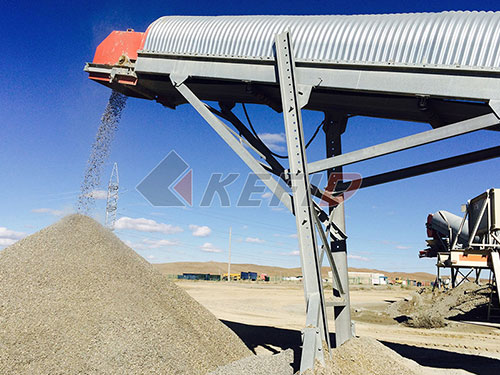
A reputable manufacturer’s expertise lies in optimally selecting and integrating these core components:
Plant Types Offered by Manufacturers:
When evaluating manufacturers based on datasheet parameters:
| Parameter | Description | Typical Range/Considerations |
|---|---|---|
| Capacity | Throughput in Tons Per Hour (TPH). | Small: 50-150 TPH; Medium: 150-300 TPH; Large: 300-1000+ TPH. Highly dependent on feed material hardness & size. |
| Feed Size | Maximum dimension of input rock. | Primary jaw crushers can accept rocks up to 1-1.5m in diameter. |
| Final Product Size | Range of output fractions achievable. | From coarse aggregates (40mm+) to manufactured sand (<5mm). Defined by screen deck configurations & crusher settings. |
| Power Rating | Total installed power (kW/HP). | Correlates directly with capacity; mobile plants: 200-500 kW; large stationary plants: >1000 kW. |
| Crusher Type & Chamber Design | Heart of the system dictates product shape & efficiency. | Jaw: Fixed/Variable speed options; Cone: Standard/fine/short-head chambers; Impact: Open/closed rotor design for HSI; Rock-on-rock/anvil for VSI. |
| Drive System | Method of power transmission. | Direct diesel drive (mobile), electric motor with V-belt/shear-pin couplings, hybrid systems. |
| Automation Level | Control sophistication. | Basic manual control -> PLC with touchscreen -> Cloud-connected telematics for real-time monitoring (CSS setting adjustment wear tracking). |
The market is stratified into tiers:
Tier 1 – Global Full-Line Suppliers: Companies like Metso Outotec (Finland), Sandvik Mining and Rock Technology (Sweden), and Terex MPS (USA) dominate the high-end market.
Tier 2 – Strong Regional Players & Specialists: Examples include Kleemann GmbH (Germany/Wirtgen Group) ThyssenKrupp Industrial Solutions Germany Eagle Crusher Company Inc USA
Tier 3 Emerging Manufacturers Cost-Driven Providers Many Chinese Indian Turkish companies e.g., SBM Machinery China Propel Industries India FABO Company Turkey
Choosing a manufacturer involves holistic evaluation:
1 Material Characteristics Abrasiveness hardness moisture content desired final product shape determine optimal crusher type cone vs impact
2 Operational Requirements Required capacity project duration site mobility needs dictate plant type stationary vs mobile
3 Total Cost of Ownership TCO Capital expenditure is just initial cost must factor in energy consumption wear part cost per ton crushed maintenance downtime availability manufacturer’s parts pricing support structure
4 After-Sales Service Support Proximity of service engineers availability training programs warranty terms remote diagnostic capabilities are critical differentiators between manufacturers
5 Sustainability Features Modern plants incorporate dust suppression systems noise enclosures water recycling systems Tier 4 Final diesel engines lower emissions essential for regulatory compliance community relations
Innovation is reshaping manufacturing:
Smart Crushing Integration IoT sensors AI machine learning algorithms predict liner wear optimize crushing chamber dynamics automatically adjust settings maximize yield reduce energy use
Sustainability Circular Economy Emphasis on electric hybrid drives noise dust reduction designs Plants configured for Construction Demolition Waste CDW recycling becoming standard product line extension
Modularity Flexibility Plug-and-play modules allow easier upgrades reconfiguration as market demands change reducing future capital outlay
Advanced Materials Use Wear Parts Development ultra-high manganese steel ceramic composites extend wear part life directly lowering operating costs per ton produced
Selecting a stone crusher plant manufacturer is a strategic decision impacting profitability productivity project viability for years Data sheets provide essential technical foundation However comprehensive assessment must integrate operational goals feed material analysis rigorous TCO calculation evaluation manufacturer’s long-term partnership capability technological roadmap The industry evolution towards digitalization sustainability ensures manufacturers continuously innovate offering smarter efficient solutions meeting world’s growing demand aggregates while minimizing environmental footprint
If you have any questions about our products, please feel free to contact us. We take all inquiries and suggestions very seriously.