
Title: The Role and Expertise of a Wholesale Stone Quarry Crushing Plant Fabricator: Engineering, Customization, and Global Supply
Introduction
In the global construction and infrastructure development landscape, the demand for high-quality aggregates—crushed stone, sand, and gravel—has never been higher. At the heart of this supply chain lies the stone quarry crushing plant, a complex industrial system designed to extract, crush, screen, and stockpile raw rock materials into usable construction aggregates. A Wholesale Stone Quarry Crushing Plant Fabricator is a specialized manufacturer that designs, engineers, and produces these complete systems for sale to quarry operators, mining companies, and construction contractors on a large-scale, wholesale basis. Unlike small-scale custom shops, wholesale fabricators operate with high production capacities, standardized yet modular designs, and a deep understanding of material science, mechanical engineering, and logistics.
This article provides a comprehensive, professional, and objective examination of the wholesale stone quarry crushing plant fabrication industry. It covers the core engineering principles, the types of equipment fabricated, the customization process, quality control standards, market dynamics, and the critical factors that distinguish a reliable fabricator from a mediocre one. The goal is to equip potential buyers, project managers, and industry professionals with the knowledge necessary to evaluate and select a fabrication partner for large-scale quarry operations.
1. Core Engineering Principles in Quarry Crushing Plant Fabrication
A wholesale fabricator does not simply assemble off-the-shelf components; they engineer integrated systems that must balance throughput, energy efficiency, wear life, and final product quality. The fundamental engineering considerations include:
Material Hardness and Abrasiveness: The fabricator must design the plant based on the specific rock type—limestone, granite, basalt, river gravel, or quartzite. For example, a plant designed for soft limestone (Mohs hardness 3-4) will use different crusher types and wear liners than one for hard, abrasive granite (Mohs hardness 6-7). Wholesale fabricators typically offer multiple configurations to handle varying rock properties.
Crushing Stages and Reduction Ratios: A typical quarry plant consists of three or four crushing stages:
Circuit Design (Open vs. Closed): Wholesale fabricators design either open-circuit (material passes through once) or closed-circuit (oversized material is recirculated) systems. Closed-circuit designs are essential for producing consistent, cubical-shaped aggregates required for high-spec concrete and asphalt.
Material Handling and Conveying: Belt conveyors, feeders, and chutes must be designed to handle high tonnages (often 200-1000+ tons per hour) while minimizing spillage, dust, and wear. The fabricator’s expertise in conveyor geometry, belt speed, and pulley design directly impacts plant reliability.
2. Key Equipment Fabricated by Wholesale Suppliers
A wholesale stone quarry crushing plant fabricator produces a comprehensive range of machinery, often under their own brand or through OEM partnerships. The major equipment categories include:
Feeders: Vibrating grizzly feeders (VGF) and apron feeders are fabricated to handle large, heavy rocks and remove fines before crushing. The fabricator must ensure robust construction with heavy-duty steel frames and wear-resistant liners.
Crushers:
Screens: Multi-deck vibrating screens (inclined or horizontal) are fabricated with high-tensile steel side plates, robust eccentric shafts, and polyurethane or wire mesh decks. The fabricator’s ability to design screens that handle high tonnages without blinding (clogging) is critical.
Washing and Classification Equipment: For quarries requiring clean aggregates, fabricators produce log washers, screw classifiers, hydrocyclones, and dewatering screens. These systems remove clay, silt, and organic matter.
Control Systems: Modern wholesale fabricators integrate PLC-based control panels, variable frequency drives (VFDs), and remote monitoring capabilities. The fabrication of electrical cabinets and wiring harnesses must meet international safety standards (e.g., IEC, NEMA).
3. Customization and Modular Design
While wholesale fabricators operate at scale, they rarely offer a one-size-fits-all solution. Instead, they provide modular, customizable plant designs that can be adapted to site-specific conditions:
Stationary vs. Mobile Plants: Wholesale fabricators produce both stationary plants (permanent installations with concrete foundations) and mobile/wheeled plants (for temporary or multi-site operations). Mobile plants are fabricated with integrated chassis, hydraulic legs, and onboard conveyors.
Modular Skid-Mounted Systems: Many fabricators now offer pre-engineered, skid-mounted modules that can be shipped in containers and assembled quickly on-site. This approach reduces civil works costs and installation time.
Customized Wear Parts: The fabricator may offer customized crusher liners, screen media, and conveyor belts based on the specific abrasiveness and moisture content of the quarry material. Some fabricators even use 3D scanning and simulation software to optimize liner profiles.
Environmental Compliance: Increasingly, wholesale fabricators must design plants that meet strict environmental regulations. This includes fabricating dust suppression systems (water sprays, mist cannons, baghouses), noise reduction enclosures, and water recycling systems.
4. Quality Control and Manufacturing Standards
A reputable wholesale stone quarry crushing plant fabricator adheres to rigorous quality control (QC) processes throughout the fabrication cycle:
Material Sourcing: Steel plates, shafts, bearings, and electric motors are sourced from certified suppliers. The fabricator should provide material test certificates (MTCs) for critical components.
Welding and Fabrication: All structural welds must comply with standards such as AWS D1.1 (structural steel) or ISO 3834. Non-destructive testing (NDT) methods—ultrasonic testing, magnetic particle inspection, and X-ray—are used to verify weld integrity.
Machining and Assembly: Critical components like crusher eccentric shafts, bearing housings, and pulley hubs are machined to tight tolerances (typically ±0.05 mm). Assembly is performed in controlled environments, with run-in testing for rotating equipment.
Performance Testing: Before shipment, the fabricator often conducts factory acceptance tests (FAT) to verify that the plant meets specified throughput, power consumption, and product gradation. Some fabricators offer on-site commissioning and performance guarantees.
Certifications: Leading wholesale fabricators hold ISO 9001 (quality management), ISO 14001 (environmental management), and OHSAS 18001/ISO 45001 (occupational health and safety) certifications. CE marking is required for European markets.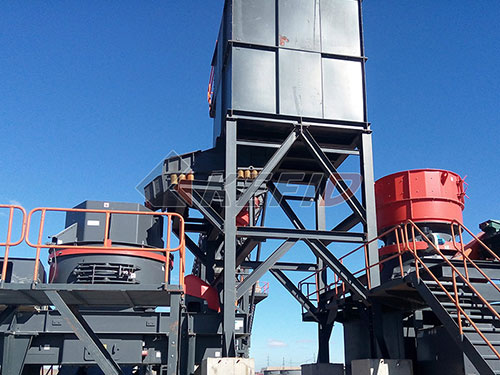
5. Market Dynamics and Global Supply Chain
The wholesale stone quarry crushing plant fabrication industry is global, with major manufacturing hubs in China, India, Turkey, Europe, and North America. Key market trends include:
Rising Demand for Infrastructure: Developing economies in Asia, Africa, and South America are driving demand for new quarries and crushing plants. Wholesale fabricators in China and India have become dominant suppliers due to cost advantages and rapid delivery times.
Automation and Digitalization: Fabricators are increasingly incorporating IoT sensors, predictive maintenance algorithms, and remote diagnostics into their plants. This allows quarry operators to monitor wear rates, energy consumption, and production in real time.
Sustainability and Circular Economy: There is growing pressure to fabricate plants that consume less energy, produce less dust, and enable recycling of construction and demolition waste. Some fabricators now offer hybrid electric-diesel systems and solar-powered auxiliary equipment.
Aftermarket Services: A wholesale fabricator’s value extends beyond the initial sale. Reliable fabricators maintain extensive spare parts inventories, offer wear part replacement programs, and provide technical support for plant upgrades and retrofits.
6. How to Select a Wholesale Stone Quarry Crushing Plant Fabricator
For quarry operators and project developers, choosing the right fabricator is a strategic decision. The following criteria should be evaluated objectively:
Track Record and References: Request case studies of similar projects (same rock type, capacity, and geographic region). Visit existing installations if possible.
Engineering Capability: Does the fabricator have in-house design engineers? Do they use simulation software (e.g., DEM, FEA) to optimize plant performance? Can they provide detailed GA drawings and P&IDs?
Lead Time and Logistics: Wholesale fabricators typically require 8-16 weeks for a complete plant. Evaluate their ability to manage shipping, customs clearance, and delivery to remote sites.
Warranty and Support: A standard warranty is 12-24 months. Ensure the fabricator has a local service network or can dispatch technicians quickly.
Total Cost of Ownership (TCO): Do not focus solely on the purchase price. Consider energy consumption, wear part life, maintenance requirements, and resale value. A cheaper plant may have higher operating costs.
Conclusion
A wholesale stone quarry crushing plant fabricator is far more than a machinery assembler; they are a critical partner in the global aggregates industry. Their expertise in material science, mechanical design, and system integration determines the efficiency, reliability, and profitability of a quarry operation. By understanding the engineering principles, equipment types, customization options, and quality standards discussed in this article, industry professionals can make informed decisions when selecting a fabricator. In an era of rising infrastructure demand and environmental scrutiny, the best fabricators are those that combine robust manufacturing with innovation, sustainability, and a commitment to long-term customer success. Whether for a 200 tph limestone quarry or a 1000 tph granite mine, the right wholesale fabricator will deliver a plant that stands the test of time and rock.
If you have any questions about our products, please feel free to contact us. We take all inquiries and suggestions very seriously.