
Title: A Comprehensive Analysis of White Label Impact Crushers: Cost Structures, Market Dynamics, and Strategic Considerations
Introduction
In the global mining, quarrying, and recycling industries, impact crushers are indispensable machines for reducing large rocks, ores, and construction debris into smaller, more manageable aggregates. While major original equipment manufacturers (OEMs) like Metso, Sandvik, and Terex dominate the premium market, a parallel ecosystem of “white label” impact crushers has gained significant traction. White label crushers are machines manufactured by one company (the OEM producer) but sold under the brand name of another company (the reseller or distributor). This model allows smaller equipment dealers, regional distributors, and even large contractors to offer their own branded machinery without investing in heavy R&D, engineering, or manufacturing facilities.
The cost of white label impact crushers is a critical factor for buyers and sellers alike. Unlike branded OEM machines, white label pricing is opaque, highly negotiable, and influenced by a complex web of factors including manufacturing origin, component quality, customization, and after-sales support. This article provides a detailed, objective, and professional analysis of the cost structure of white label impact crushers, examining the variables that determine final pricing, the trade-offs between cost and performance, and strategic recommendations for buyers.
1. Understanding the White Label Impact Crusher Supply Chain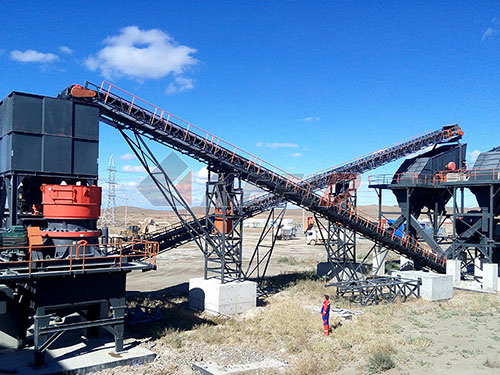
To grasp the cost, one must first understand the supply chain. White label crushers are typically manufactured in high-volume production hubs, most notably in China (e.g., Zhejiang, Henan, and Jiangsu provinces), India (Gujarat and Maharashtra), and increasingly in Turkey and Eastern Europe. These manufacturers possess the capability to produce machines that meet international standards but lack the global brand recognition or distribution networks of Western OEMs.
The supply chain involves three primary actors:
The cost to the end user is a function of the manufacturer’s factory price, the reseller’s markup, logistics, import duties, and any local customization.
2. Base Cost Ranges for White Label Impact Crushers
It is impossible to give a single “price” for a white label impact crusher because specifications vary widely. However, based on industry data, trade publications, and procurement reports from 2023–2024, the following approximate cost ranges apply for new machines (FOB factory, excluding shipping and duties):
For comparison, a comparable OEM-branded machine (e.g., a Sandvik QI341 or Metso NP series) would cost 40% to 100% more, often exceeding $300,000 for a medium-sized unit.
3. Key Cost Drivers and Variables
The base price is only the starting point. Several factors significantly influence the final cost of a white label impact crusher:
a) Manufacturing Origin and Quality Standards
b) Component Sourcing (Wear Parts and Motors)
The cost of wear parts—blow bars, impact plates, and liners—is a major differentiator. White label crushers often use generic or proprietary wear parts. If the reseller sources blow bars from a high-quality foundry (e.g., using 18% manganese or ceramic inserts), the machine cost increases by $5,000–$15,000. Conversely, using low-cost castings reduces upfront cost but increases long-term operating expenses.
The electric motor (if not included) adds $3,000–$15,000 depending on power (75 kW to 250 kW). Premium motors (e.g., Siemens, ABB) cost more than Chinese generic motors.
c) Customization and Branding
d) Volume and Order Size
White label pricing is highly volume-sensitive. A single unit purchase might command a 10–20% premium over the factory price. Orders of 5–10 units can reduce per-unit cost by 15–25%. Large distributors who order 20+ units annually can negotiate factory prices close to the manufacturer’s cost.
e) After-Sales Support and Warranty
A white label reseller who offers a 2-year warranty, a stock of spare parts, and on-site commissioning will charge a higher price (often 10–20% more) than a reseller who sells “as-is, where-is.” The cost of a service contract (e.g., annual inspections) is typically separate.
4. Hidden Costs and Total Cost of Ownership (TCO)
The upfront purchase price is only part of the equation. Buyers must consider the total cost of ownership over 5–10 years:
5. Market Dynamics and Negotiation Strategies
The white label impact crusher market is fragmented and competitive. Buyers have significant leverage if they:
6. Regional Cost Variations
7. Strategic Recommendations for Buyers
Conclusion
White label impact crushers offer a compelling value proposition for budget-conscious buyers in emerging markets and for applications where premium performance is not critical. The cost can range from $30,000 for a small mobile unit to over $400,000 for a large primary crusher, with significant variations based on manufacturing origin, component quality, customization, and volume. However, the lower upfront cost comes with trade-offs in wear part longevity, reliability, and resale value.
For a buyer to make an informed decision, they must look beyond the sticker price and conduct a thorough due diligence on the manufacturer, the component sourcing, and the total cost of ownership. In the white label market, the old adage holds true: “You get what you pay for.” But with careful negotiation and a focus on critical components, a well-chosen white label impact crusher can deliver excellent value for years of service.
If you have any questions about our products, please feel free to contact us. We take all inquiries and suggestions very seriously.