Top Ten Stone Crusher Machine Processing Plant Procurement Considerations: A Professional Guide
Procuring a stone crusher machine processing plant is a capital-intensive and strategically critical decision for any quarrying, mining, or aggregate production operation. It represents the core of material processing efficiency, product quality, and long-term profitability. A hasty or ill-informed procurement can lead to chronic downtime, subpar product gradation, exorbitant operating costs, and an inability to meet market demands.
This professional guide details the top ten considerations for procurement, moving beyond simple machine selection to encompass the entire lifecycle and operational ecosystem of the plant.
1. Comprehensive Feed Material & Product Analysis
The foundation of any successful procurement is a thorough understanding of the raw material and desired end products.
- Geological & Geotechnical Analysis: Conduct rigorous testing of the source rock. Key parameters include: Unconfined Compressive Strength (UCS), abrasiveness (SiO2 content), moisture content, clay presence, and feed size distribution. A highly abrasive basalt demands different wear solutions than a softer limestone.
- Product Portfolio Requirements: Precisely define the required final products (e.g., 0-5mm manufactured sand, 10-20mm aggregate for concrete, 20-40mm rail ballast). This dictates the entire flow sheet—whether you need a simple single-stage crushing circuit or a complex multi-stage setup with tertiary crushing and specialized shaping stages.
2. Optimal Plant Design & Flow Sheet Development
The plant layout is not an afterthought; it is a blueprint for efficiency.
- Process Flow Sheet (P&ID): Engage with experienced process engineers to develop a detailed Process and Instrumentation Diagram. This should define each stage (primary, secondary, tertiary/quaternary), material flow paths, surge capacities, and interconnection points.
- Layout for Efficiency & Safety: Design must prioritize minimal material travel distances (reducing conveyor costs and energy loss), safe access for maintenance (platforms, ladders), proper dust containment zones, and logical placement of control rooms away from high-vibration areas. Consider future expansion possibilities in the initial layout.
3. Technology & Machine Selection: Matching Duty to Function
Selecting the right crusher type for each stage is paramount.
- Primary Crushing: For high-tonnage, large feed size operations. Jaw Crushers offer robustness and simplicity; Gyratory Crushers provide higher capacity but at greater capital cost and complexity.
- Secondary Crushing: For further reduction and shape improvement. Cone Crushers are the industry standard for hard, abrasive materials; modern models offer excellent control over product size via hydraulic CSS adjustment and automation systems.
- Tertiary/Quaternary Crushing: For final shaping and producing fine aggregates/sand. Vertical Shaft Impactors (VSI) are unparalleled for producing high-quality cubical aggregates and manufactured sand with optimal particle shape. High-Pressure Grinding Rolls (HPGR) offer an energy-efficient alternative for certain applications.
4. Ancillary & Support Equipment Integration
A crusher alone does not make a plant.
- Feed System: Robust apron or vibrating grizzly feeders are essential to regulate material flow into the primary crusher, scalp out fines, and protect downstream equipment.
- Screening Technology: Efficient classification is key to productivity. Choose between inclined screens for high-volume sizing and horizontal screens for precise fines separation/dewatering. Consider screen media type (wire mesh vs polyurethane) based on wear life and blinding tendencies.
- Conveying System: Design conveyors with appropriate belt width, speed, idler class, and transfer point design to minimize spillage and dust generation.
5. Automation & Control Systems
Modern plants run on data. A state-of-the-art control system is non-negotiable.
- PLC/SCADA Systems: Enable centralized monitoring and control of the entire plant from a single location. They provide real-time data on power draw, throughput rates, bin levels, and equipment health.
- Crusher Automation Systems: Systems like ASRi (Automatic Setting Regulation) for cone crushers automatically adjust the closed-side setting (CSS) to maintain optimal power draw and product size despite varying feed conditions.
- Predictive Maintenance Tools: Integration of vibration sensors on critical bearings temperature monitors allows for condition-based maintenance preventing catastrophic failures.
6. Environmental Compliance & Dust Suppression
Procurement must account for stringent environmental regulations.
- Dust Control Enclosure & Collection: Plan for full enclosure of transfer points screens crushers Invest in a well-designed baghouse filter system or wet scrubbers sized correctly for total air volume dust load
- Noise Abatement Measures: Specify sound-dampening enclosures acoustic barriers on screens use of quieter drive technologies especially important in sites near communities
7 . Total Cost of Ownership TCO Over Initial Purchase Price
The cheapest capital cost often leads to the highest operating cost Evaluate:
- Wear Parts Cost & Lifecycle Analyze expected wear part consumption rates manganese steel grades liner designs availability local stock Availability of common wear parts drastically reduces downtime
- Energy Efficiency Compare specific energy consumption kWh per ton processed High efficiency motors well balanced rotor designs in impact crushers can yield massive savings over years operation
- Maintenance Accessibility Designs that allow easy liner changes cavity clearing hydraulic tramp release systems all reduce mean time repair MTTR
8 . Supplier Evaluation After-Sales Support
You are procuring partnership not just machinery Assess potential suppliers on:
- Technical Expertise Engineering support capability provide detailed flow sheet simulations performance guarantees
- Global Local Service Network Proximity service engineers availability spare parts inventory region Response time critical breakdowns defines your plant availability
- Training Programs Comprehensive training operators maintenance staff ensures correct efficient safe operation extends equipment life
9 . Project Management Commissioning Plan
Clear project management from order handover operational ramp up essential Define responsibilities: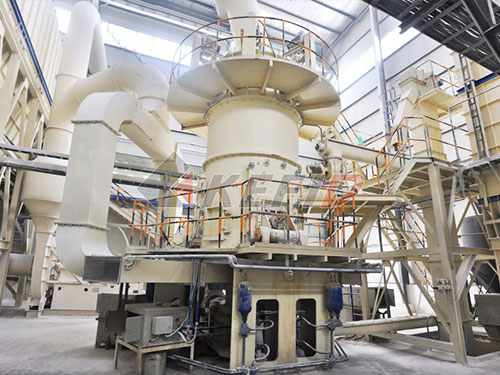
- Foundation Drawings Civil Work Timely accurate delivery detailed foundation anchor bolt drawings prevents costly construction delays Interface management between civil contractor equipment erector crucial
- Supervision Erection Commissioning Contract should include professional supervision installation precise alignment Ensure comprehensive commissioning plan includes performance testing verify throughput product gradation power consumption against guaranteed figures
10 . Future-Proofing Flexibility Scalability Considerations
Design plant with future market regulatory changes mind:
- Modular Design Possibility designing plant skid mounted modular sections allows relocation expansion easier than fixed structure plant
- Regulatory Foresight Anticipate tightening regulations noise emissions water recycling Consider space potential additional filtration systems sound walls upfront
Conclusion
Procuring stone crusher processing plant complex multifaceted endeavor demanding systematic professional approach Moving beyond mere comparison technical specifications requires holistic view encompassing material science process engineering mechanical design automation environmental science economics By rigorously addressing these ten critical areas—from comprehensive feed analysis long term total cost ownership strategic supplier partnership—operators can make informed investment that delivers reliable productivity high quality products sustainable profitability over decades operation The goal not just purchase machine but invest in robust efficient production asset that forms competitive backbone your aggregate business
