
The custom stone crusher plant supply chain represents a complex, highly specialized, and project-driven ecosystem. Unlike the standardized manufacturing of consumer goods, it involves the orchestration of engineered-to-order (ETO) heavy machinery, global sourcing of components, and meticulous integration with specific client requirements and site conditions. This chain is not merely about moving boxes; it is about delivering a complete, functional industrial system capable of transforming raw quarry rock into precisely graded aggregates for construction, road building, and other infrastructure projects. This article provides a detailed, objective examination of this multifaceted supply chain, from concept to commissioning.
A custom stone crusher plant is a semi-fixed or mobile processing system designed for a specific client’s raw material (e.g., granite, basalt, limestone), required output products (various sizes of aggregate, sand), production capacity (tons per hour), and site-specific constraints (topography, climate regulations). “Custom” can range from modifying standard modules to a fully bespoke design.
Key drivers shaping this supply chain include:
The chain can be segmented into five interconnected phases:
Phase 1: Design & Engineering
This is the intellectual foundation. It begins with deep collaboration between the client/engineering firm and the crushing plant OEM (Original Equipment Manufacturer).
Phase 2: Sourcing & Procurement
This phase involves acquiring all components from a global network of specialized suppliers.
Phase 3: Manufacturing & Fabrication
Components converge at the OEM’s primary facility or through a network of partnered fabricators.
Phase 4: Logistics & Transportation
This is one of the most critical and costly hurdles due to dimensional weight constraints.
Phase 5: Site Installation Commissioning & After-Sales Support
The final phase where the supply chain transitions into service delivery
Installation involves civil works foundation preparation by local contractors followed by mechanical erection electrical connection alignment
Commissioning is systematic testing with inert then real material fine-tuning systems training client operators
After-sales forms a parallel “service supply chain”: continuous flow spare parts especially fast-moving wear parts remote monitoring tech support field service engineers This phase determines ultimate client satisfaction ROI
Global Geopolitical Economic Volatility Tariffs trade disputes sanctions disrupt established sourcing patterns increase costs lead times
Single-Source Dependencies Many critical components come from limited specialized suppliers creating bottlenecks
Demand Fluctuation The chain feeds capital-intensive cyclical industries mining construction making demand forecasting difficult leading feast-or-famine scenarios for suppliers
Technical Integration Risk Ensuring subsystems from different vendors communicate seamlessly requires rigorous interface management upfront engineering
Sustainability Pressures Growing demand energy-efficient drives electric hybrid options circular economy principles like refurbishing wear parts remanufacturing components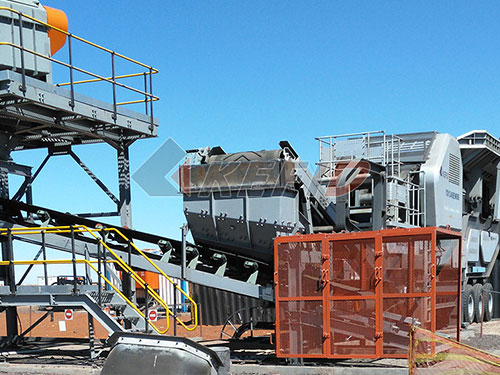
Digitalization IoT sensors on equipment enable predictive maintenance optimizing spare parts inventory reducing unplanned downtime Blockchain explored traceability high-value components warranties
Additive Manufacturing Potential revolutionize spare part logistics printing certain wear parts onsite reducing lead times inventory costs especially remote sites
Advanced Analytics Simulation tools optimize entire plant performance AI algorithms analyze operational data suggest settings maximize yield minimize energy consumption per ton
The custom stone crusher plant supply chain sophisticated high-value low-volume ecosystem success hinges seamless integration technical expertise logistical precision deep client collaboration It moves beyond transactional procurement become strategic partnership focused delivering long-term operational reliability productivity As industry faces pressures sustainability digitalization resilience future chains will become increasingly data-driven agile service-oriented transforming how these essential industrial assets conceived delivered maintained throughout lifecycle
If you have any questions about our products, please feel free to contact us. We take all inquiries and suggestions very seriously.