
Title: Comprehensive Analysis of Stone Quarry Crushing Plant Dealers Cost: Factors, Pricing Models, and Procurement Strategies
Introduction
The global construction and infrastructure development sectors rely heavily on crushed stone aggregates, which are produced by stone quarry crushing plants. These plants are capital-intensive assets, and their acquisition involves significant financial outlay. For buyers—ranging from small-scale quarry operators to large multinational construction firms—understanding the “dealers cost” is critical. Dealers cost refers to the price at which a dealer or distributor sells a crushing plant to an end-user, which includes the manufacturer’s base price, dealer markup, logistics, taxes, and after-sales service components. This article provides a detailed, objective, and professional examination of the factors influencing stone quarry crushing plant dealers cost, typical pricing structures, regional variations, and strategies for optimizing procurement.
1. Understanding the Components of Dealers Cost
The dealers cost is not a single, fixed number. It is a composite of several elements that vary based on market conditions, plant specifications, and dealer business models. The primary components include:
Manufacturer’s Ex-Works Price: This is the price at which the manufacturer sells the equipment to the dealer. It covers raw materials, labor, R&D, and manufacturing overhead. For example, a primary jaw crusher from a leading brand like Metso or Sandvik may have an ex-works price significantly higher than a lesser-known Chinese or Indian manufacturer due to differences in engineering, durability, and brand reputation.
Dealer Markup: Dealers add a margin to cover their operational costs (sales staff, showroom, inventory financing) and profit. Markups typically range from 10% to 25% of the ex-works price, depending on the exclusivity of the brand, market demand, and the dealer’s service package.
Logistics and Transportation: Crushing plants are heavy, bulky, and often require special permits for road transport. Costs include inland freight from the factory to the dealer’s warehouse, and then to the customer’s site. For international transactions, ocean freight, port handling, and customs duties are significant. A 50-ton mobile crusher may cost $5,000 to $15,000 to transport domestically, and $20,000 to $50,000 for international shipping.
Import Duties and Taxes: In many countries, crushing equipment is subject to import tariffs (e.g., 5–20% in developing nations) and value-added tax (VAT) or sales tax. These are often passed directly to the buyer as part of the dealers cost.
Installation and Commissioning: Dealers often include basic installation support, but complex plants may require additional engineering services. This cost can range from 2% to 8% of the equipment price.
Warranty and After-Sales Service: A comprehensive warranty (e.g., 12–24 months) and service contracts (spare parts availability, technical support) are factored into the dealers cost. Premium dealers may include a service package worth 5–10% of the plant price.
2. Factors Influencing Dealers Cost
2.1 Plant Type and Configuration
The type of crushing plant dramatically affects cost. The three main categories are:
Stationary Plants: These are fixed installations with high capacity (200–1000+ tons per hour). They require civil works, foundations, and conveyors. Dealers cost for a stationary plant can range from $500,000 to $5 million or more. The cost per ton of capacity is lower for larger plants, but the absolute price is high.
Mobile (Wheel-Mounted) Plants: These are semi-mobile units that can be towed. They are more expensive per ton of capacity due to the chassis, wheels, and mobility features. A typical mobile jaw crusher (30–50 tph) may cost $150,000 to $400,000 from a dealer.
Track-Mounted Plants: Fully self-propelled units with hydraulic tracks. These are the most expensive due to advanced engineering, remote control, and high mobility. Dealers cost for a track-mounted cone crusher can exceed $1 million.
2.2 Brand and Origin
Premium Brands (Metso, Sandvik, Terex, Kleemann): These offer high reliability, advanced automation, and global support. Dealers cost is 20–40% higher than mid-range brands. For example, a Metso LT106 jaw crusher may have a dealer price of $450,000–$600,000.
Mid-Range Brands (Astec, Thyssenkrupp, Rubble Master): These offer good quality at a lower price point. Dealers cost is typically 10–20% below premium brands.
Economy Brands (Chinese, Indian, Turkish manufacturers like SBM, Liming, or MEKA): These are widely used in price-sensitive markets. Dealers cost can be 30–50% lower than premium brands. However, buyers must consider lower resale value and potentially higher maintenance costs.
2.3 Regional Market Dynamics
Dealers cost varies significantly by region due to local economic conditions, competition, and regulatory environment:
North America and Western Europe: High labor costs, strict environmental regulations, and strong dealer networks lead to higher prices. Dealers often offer financing and trade-in options. A typical 300 tph stationary plant may cost $1.5–$2.5 million from a dealer.
Middle East and Africa: Import duties and logistics costs are high. Dealers often act as sole distributors, leading to limited competition and higher markups. However, demand for mobile plants is strong due to remote project sites.
Asia-Pacific (India, China, Southeast Asia): Intense competition among local and international dealers drives down prices. Chinese dealers may offer a 100 tph mobile crusher for as low as $80,000–$120,000. However, quality and after-sales support can be inconsistent.
Latin America: Currency volatility and import restrictions affect pricing. Dealers may quote in USD to hedge against inflation, adding a premium of 10–15%.
2.4 New vs. Used Equipment
New Plants: Dealers cost for new equipment includes full warranty, latest technology, and zero wear. Depreciation is immediate upon purchase.
Used/Refurbished Plants: Dealers often sell used equipment with a limited warranty. Cost is typically 40–60% of new price. However, buyers must factor in potential repair costs and shorter lifespan. A used 2018 Sandvik QJ341 may cost $200,000–$280,000 from a dealer, compared to $400,000 new.
3. Typical Dealers Cost Ranges (Illustrative Examples)
The following are approximate dealer prices (USD, ex-works, excluding taxes and installation) for common configurations as of 2024:
| Plant Type | Capacity (tph) | Dealer Cost Range (USD) | Typical Brand |
|---|---|---|---|
| Mobile Jaw Crusher | 100–150 | $250,000 – $450,000 | Metso, Sandvik |
| Mobile Jaw Crusher | 100–150 | $120,000 – $200,000 | Chinese brands |
| Track-Mounted Cone Crusher | 200–300 | $600,000 – $1,200,000 | Kleemann, Terex |
| Stationary Jaw + Cone Plant | 300–500 | $1,500,000 – $3,000,000 | Premium brands |
| Mobile Impact Crusher | 150–250 | $350,000 – $700,000 | Rubble Master, Keestrack |
| Complete Stationary Plant (incl. screens, conveyors) | 500+ | $3,000,000 – $8,000,000 | Metso, Thyssenkrupp |
4. Hidden Costs and Total Cost of Ownership (TCO)
Dealers cost is only the initial purchase price. A professional buyer must consider the Total Cost of Ownership (TCO), which includes:
Spare Parts: Crusher wear parts (liners, jaws, cones) are consumables. Annual cost can be 5–15% of the plant price. Dealers often sell proprietary parts at a premium.
Fuel and Power: Mobile plants consume diesel (10–30 gallons per hour), while stationary plants use electricity. Energy costs can exceed the purchase price over 5 years.
Maintenance and Labor: Skilled operators and mechanics are required. In remote areas, labor costs are higher.
Resale Value: Premium brands retain 40–60% of value after 5 years, while economy brands may retain only 20–30%.
5. Strategies for Negotiating Dealers Cost
5.1 Competitive Bidding
Request quotes from at least three dealers representing different brands. Use a detailed specification sheet to ensure apples-to-apples comparison. Dealers may reduce markup by 5–10% if they know they are competing.
5.2 Off-Season Purchasing
In many regions, construction activity slows during monsoon or winter. Dealers may offer discounts of 5–15% to clear inventory.
5.3 Bundling and Financing
Dealers often provide better pricing if you purchase multiple units (e.g., crusher + screen + conveyor) or if you finance through their partner banks. Some dealers offer 0% interest for 12 months, which effectively reduces cost.
5.4 Trade-In
If you have an old plant, dealers may offer a trade-in value of 10–30% of the new plant price, reducing the net dealers cost.
5.5 Direct Manufacturer Purchase (OEM)
In some cases, bypassing the dealer and buying directly from the manufacturer (especially for large stationary plants) can save 10–20%. However, this requires managing logistics, installation, and warranty claims independently.
6. Case Study: Comparing Dealers Cost in Two Markets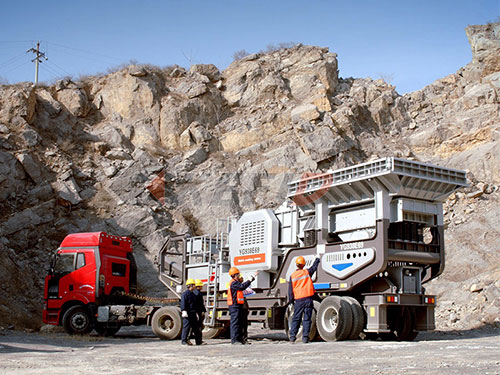
Scenario: A mid-sized quarry in Nigeria requires a 200 tph mobile jaw crusher.
Local Dealer (Lagos): Offers a Chinese brand (e.g., SBM) at $180,000, including delivery to port, customs clearance, and basic commissioning. Markup is estimated at 25%.
International Dealer (Europe): Offers a Sandvik QJ341 at $420,000, excluding shipping ($25,000) and Nigerian import duty (15% = $63,000). Total landed cost: $508,000. Includes 2-year warranty and remote support.
Analysis: The Chinese dealer cost is 65% lower upfront. However, the Sandvik plant may have lower fuel consumption (saving $10,000/year), higher resale value, and better spare parts availability. The TCO over 5 years may favor the premium brand if utilization is high.
7. Conclusion
Stone quarry crushing plant dealers cost is a multifaceted figure influenced by plant type, brand, region, and market conditions. Buyers must look beyond the initial price and evaluate TCO, after-sales support, and financing options. A professional procurement strategy involves competitive bidding, understanding hidden costs, and leveraging market timing. For small to medium operations, economy brands from Asian dealers may offer the best value, while large, high-utilization projects benefit from premium brands with lower operating costs. Ultimately, the “right” dealers cost is the one that aligns with the buyer’s operational requirements, budget, and long-term business goals.
Recommendations for Buyers:
By understanding the components and dynamics of dealers cost, quarry operators can make informed, cost-effective decisions that maximize return on investment.
If you have any questions about our products, please feel free to contact us. We take all inquiries and suggestions very seriously.