
Stone Quarry Crushing Plant Contract Manufacturer: A Comprehensive Industry Analysis
The global demand for construction aggregates, road base materials, and industrial minerals has driven the evolution of stone quarry crushing plants from simple, manually operated facilities to highly automated, technologically advanced systems. At the heart of this transformation lies the role of the contract manufacturer—a specialized entity that designs, fabricates, and supplies complete crushing and screening plants tailored to the specific needs of quarry operators. This article provides a detailed, professional, and objective examination of the stone quarry crushing plant contract manufacturing industry, covering its definition, core capabilities, key components, market dynamics, quality standards, and strategic considerations for procurement.
A contract manufacturer in the context of stone quarry crushing plants is a company that undertakes the engineering, production, and assembly of complete crushing and screening systems under a contractual agreement with a quarry owner or operator. Unlike original equipment manufacturers (OEMs) that may focus on selling standardized equipment, contract manufacturers often provide customized solutions, integrating various components—crushers, screens, conveyors, feeders, and control systems—into a cohesive plant that meets specific production targets, material characteristics, and site constraints.
The scope of work for a contract manufacturer typically includes:
To deliver a high-performance stone quarry crushing plant, a contract manufacturer must possess a combination of engineering expertise, manufacturing capacity, and project management skills. The following capabilities are critical:
a. Process Engineering and Material Testing
A professional manufacturer conducts thorough material characterization—abrasiveness, compressive strength, moisture content, and particle size distribution. This data informs the selection of crusher types and settings. For example, hard, abrasive granite requires a jaw crusher for primary reduction followed by a cone crusher for secondary and tertiary stages, while softer limestone may be processed with an impact crusher. Without proper testing, the plant may suffer from excessive wear, low throughput, or poor product shape.
b. Modular and Custom Design
Modern quarry plants often require modular designs that can be easily transported, erected, and relocated. Contract manufacturers should offer skid-mounted or containerized solutions that reduce civil works and installation time. Customization extends to dust control (wet suppression or baghouse filters), noise reduction enclosures, and integration with existing infrastructure.
c. Manufacturing Quality and Standards
The manufacturer’s fabrication facility should adhere to international standards such as ISO 9001 for quality management, ISO 14001 for environmental management, and OHSAS 18001 for occupational health and safety. Welding procedures should comply with AWS or equivalent codes. Structural steel components must be designed to withstand dynamic loads from vibrating equipment and seismic events in the region.
d. Supply Chain and Component Sourcing
A contract manufacturer often sources major components (crushers, motors, bearings) from reputable OEMs or produces them in-house. The ability to procure high-quality wear parts (e.g., manganese steel liners, high-chrome impact bars) at competitive prices is essential for the plant’s long-term operational cost.
e. Project Management and Timeline Adherence
Quarry operators typically have tight schedules tied to construction projects or aggregate supply contracts. A reliable manufacturer must demonstrate a track record of on-time delivery, from engineering drawings to final commissioning. Delays can result in significant financial penalties for the operator.
Understanding the components that a contract manufacturer integrates is essential for evaluating proposals. A typical plant includes:
The stone quarry crushing plant contract manufacturing market is influenced by several macroeconomic and technological factors:
a. Infrastructure Development
Rapid urbanization in Asia, Africa, and South America drives demand for aggregates. Governments investing in highways, railways, airports, and housing projects create a steady need for new crushing plants. Contract manufacturers that can deliver plants quickly and at competitive prices gain a significant advantage.
b. Shift Toward Mobile and Semi-Mobile Plants
While stationary plants remain common for large, long-term quarries, mobile and semi-mobile crushing plants are gaining popularity due to their flexibility. Contract manufacturers now offer track-mounted or wheel-mounted units that can be moved between sites, reducing the need for multiple fixed installations.
c. Automation and Digitalization
Industry 4.0 is transforming quarry operations. Smart sensors, real-time data analytics, and automated crusher setting adjustments improve throughput and reduce downtime. Contract manufacturers that invest in digital solutions—such as remote monitoring platforms and AI-based wear prediction—provide added value to operators.
d. Environmental and Sustainability Pressures
Quarry operators face stricter regulations on emissions, noise, and water usage. Contract manufacturers must design plants with closed-loop water systems, energy-efficient motors (IE3 or IE4), and low-noise enclosures. Additionally, the use of recycled aggregates from construction and demolition waste is creating a niche for manufacturers specializing in mobile recycling plants.
e. Regional Manufacturing Hubs
Countries like China, India, Turkey, and Italy have emerged as major hubs for crushing plant manufacturing. Chinese manufacturers, in particular, offer cost-competitive solutions but may vary in quality. Due diligence—including factory audits, reference checks, and third-party inspections—is essential when sourcing from these regions.
A professional contract manufacturer should provide clear performance guarantees. Key metrics include:
Quality assurance processes should include:
When selecting a contract manufacturer for a stone quarry crushing plant, operators should consider the following:
a. Total Cost of Ownership (TCO)
Initial purchase price is only one component. Operators must evaluate energy consumption, wear part replacement costs, maintenance labor, and downtime losses. A slightly more expensive plant with higher efficiency and lower wear rates can yield significant savings over a 10-year lifespan.
b. After-Sales Support
Local presence or rapid response times for spare parts and technical support are critical, especially in remote quarry locations. Manufacturers with regional warehouses or service centers are preferable.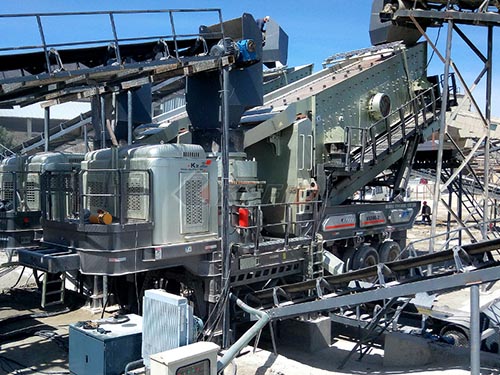
c. Customization vs. Standardization
While customization ensures the plant fits the specific site, it can increase lead times and cost. Operators should balance the need for tailored solutions with the benefits of standardized, proven designs.
d. Contractual Terms
Clear contracts should define scope, delivery schedule, payment milestones, performance guarantees, penalties for delays, and warranty terms. Intellectual property rights for plant design should also be addressed.
e. References and Track Record
Requesting case studies, site visits, and references from previous clients in similar applications (e.g., hard rock, limestone, river gravel) provides insight into the manufacturer’s reliability.
The stone quarry crushing plant contract manufacturer plays a pivotal role in the global aggregates industry, bridging the gap between raw material extraction and finished product delivery. A successful partnership between quarry operator and manufacturer hinges on technical expertise, manufacturing quality, project management, and a shared commitment to efficiency and sustainability. As the industry evolves toward automation, mobility, and environmental compliance, contract manufacturers that invest in innovation and customer-centric solutions will lead the market. For quarry operators, a thorough evaluation of a manufacturer’s capabilities, quality systems, and after-sales support is essential to ensure a profitable and long-lasting investment.
In summary, the selection of a contract manufacturer is not merely a procurement decision—it is a strategic choice that directly impacts operational performance, cost structure, and competitive advantage in the aggregates market.
If you have any questions about our products, please feel free to contact us. We take all inquiries and suggestions very seriously.