Title: Comprehensive Guide to Stone Crusher Plant Importer Quotation: Key Factors, Cost Breakdown, and Procurement Strategies
Introduction
The global demand for crushed stone, sand, and gravel continues to rise, driven by rapid urbanization, infrastructure development, and the expansion of the construction and mining sectors. For importers seeking to establish or expand their stone crushing operations, obtaining an accurate and competitive quotation for a stone crusher plant is a critical first step. A “Stone Crusher Plant Importer Quotation” is not merely a price list; it is a detailed commercial document that outlines the technical specifications, equipment configuration, delivery terms, payment conditions, and after-sales support for a complete crushing system. This article provides an in-depth, professional, and objective analysis of the components, influencing factors, and best practices associated with sourcing and evaluating quotations for stone crusher plants from international suppliers.
1. Understanding the Scope of a Stone Crusher Plant Quotation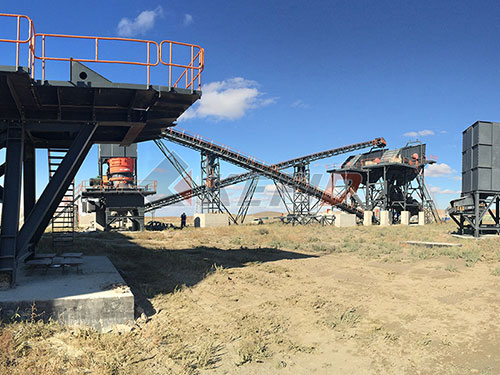
A stone crusher plant is a complex assembly of machinery designed to reduce large rocks into smaller aggregates of specific sizes. A comprehensive quotation must cover the entire production line, which typically includes:
- Primary Crushing Unit: Jaw crushers or gyratory crushers for initial size reduction.
- Secondary and Tertiary Crushing Units: Cone crushers, impact crushers (horizontal shaft impactors – HSI, or vertical shaft impactors – VSI) for further reduction and shaping.
- Screening Equipment: Vibrating screens for separating materials by size.
- Conveying Systems: Belt conveyors for material transport between stages.
- Feeding and Hopper Systems: Vibrating feeders, grizzly feeders, and storage bins.
- Control Systems: PLC-based automation panels, electrical cabinets, and wiring.
- Auxiliary Equipment: Dust suppression systems, water pumps, steel structures, and chutes.
An importer must ensure that the quotation explicitly lists each component, including brand, model, capacity, power consumption, and material specifications (e.g., manganese steel for crusher liners, bearing types, motor brands). Vague or aggregated pricing without detailed breakdowns often leads to hidden costs or mismatched expectations.
2. Key Technical Parameters Affecting Quotation Prices
The cost of a stone crusher plant varies significantly based on technical requirements. Importers should provide suppliers with precise project parameters to receive accurate quotations:
- Feed Material Characteristics: Hardness (Mohs scale), abrasiveness, moisture content, and maximum feed size. For example, crushing granite (high silica content) requires different wear parts and power than crushing limestone.
- Required Output Capacity: Measured in tons per hour (TPH). A 50 TPH plant will cost substantially less than a 500 TPH plant, but the per-ton capital cost often decreases with larger capacities.
- Final Product Specifications: The required aggregate sizes (e.g., 0-5mm, 5-10mm, 10-20mm, 20-40mm) and shape requirements (cubical vs. flaky). VSI crushers are often required for superior cubical shape, adding to cost.
- Mobility vs. Stationary: Stationary plants are generally more cost-effective for long-term, fixed-site operations. Mobile or semi-mobile plants (on tracks or wheels) command a premium due to added chassis, hydraulic systems, and transport mechanisms.
- Local Conditions: Altitude, ambient temperature, and availability of electrical power (voltage, frequency, phase) influence motor selection and control system design.
3. Cost Breakdown in a Typical Quotation
A professional quotation should transparently break down costs into the following categories:
- FOB (Free on Board) Price: The cost of the equipment loaded onto the vessel at the supplier’s port. This includes manufacturing, assembly, factory testing, and packaging.
- Freight and Insurance: Ocean or air freight costs, marine insurance, and inland transportation to the port of loading. Importers should compare CIF (Cost, Insurance, Freight) or CFR (Cost and Freight) terms to understand total landed cost.
- Customs Duties and Taxes: Import duties, value-added tax (VAT), and other local levies. These vary by country and can significantly impact the final price.
- Installation and Commissioning: Some suppliers include on-site supervision for a limited period (e.g., 15–30 days). Others charge separately for engineers’ travel, accommodation, and daily fees.
- Spare Parts and Consumables: A recommended list of initial spare parts (jaw plates, cone liners, screen meshes, belts, bearings) should be quoted separately. Importers often negotiate a spare parts package at a discounted rate.
- Training and Documentation: Operator training, maintenance manuals, electrical schematics, and structural drawings.
4. Factors That Influence Supplier Pricing
Importers must recognize that the lowest quotation is not always the most cost-effective. Several factors drive price differences among suppliers:
- Brand Reputation and Quality: Established manufacturers (e.g., Metso, Sandvik, Terex, or top-tier Chinese brands like SBM, Zenith, Liming Heavy Industry) invest in R&D, high-quality steel, precision machining, and robust after-sales networks. Their quotations are higher but offer lower downtime and longer equipment life.
- Manufacturing Location: Chinese suppliers often offer competitive FOB prices due to lower labor and material costs. European and American manufacturers command premium prices but may offer superior automation and compliance with stringent environmental standards.
- Customization Level: Standard modular plants are cheaper than fully customized designs. Importers with unique site constraints (e.g., narrow space, high environmental sensitivity) will pay more for tailored solutions.
- Payment Terms: Suppliers may offer discounts for upfront payments (e.g., 30% down, 70% before shipment) or charge higher prices for extended payment schedules (e.g., L/C at sight or installment plans).
- After-Sales Support: Quotations that include local service centers, remote monitoring, and guaranteed response times for spare parts delivery are typically higher but reduce operational risk.
5. Common Pitfalls in Evaluating Quotations
Importers often make costly mistakes when comparing quotations. The following issues should be carefully scrutinized:
- Incomplete Scope: Some suppliers quote only the main crushers, omitting conveyors, screens, electrical panels, or steel structures. The importer must cross-check the quotation against a detailed plant layout.
- Underrated Power Requirements: A supplier may quote lower motor power to reduce price, but this can lead to insufficient crushing force, frequent jamming, and higher energy consumption in the long run.
- Non-Compliance with Local Standards: Electrical components must meet local voltage and safety standards (e.g., CE, ISO, SANS, or specific national codes). Non-compliant equipment requires costly retrofitting.
- Unrealistic Delivery Timelines: Some suppliers promise short lead times (e.g., 30 days) but fail to account for raw material procurement, manufacturing bottlenecks, or shipping delays. A realistic timeline for a medium-sized plant is 60–90 days.
- Hidden Logistics Costs: Quotations based on FOB terms may not include port handling, container loading fees, or inland transportation in the exporter’s country. Importers should request a full breakdown of logistics costs.
6. Best Practices for Importers Seeking Quotations
To obtain reliable and comparable quotations, importers should adopt a structured procurement process:
- Prepare a Detailed Request for Quotation (RFQ): Include a technical questionnaire covering all parameters mentioned above. Attach site photos, geological reports, and desired product specifications.
- Shortlist Reputable Suppliers: Research suppliers through industry exhibitions (e.g., Bauma, CONEXPO-CON/AGG), trade associations, and verified online platforms (e.g., Alibaba Verified, Global Sources). Request references from previous importers in similar markets.
- Request a Plant Layout Drawing: A professional supplier will provide a 2D or 3D layout showing equipment placement, conveyor routes, and foundation requirements. This helps verify the completeness of the quotation.
- Compare on Total Cost of Ownership (TCO): Beyond the initial purchase price, consider energy consumption (kW per ton), wear part life (tons per set of liners), maintenance frequency, and resale value. A slightly higher initial investment often yields lower operating costs.
- Negotiate Warranty and Service Level Agreements (SLAs): Standard warranties are 12–18 months from commissioning or 24 months from shipment. Ensure the quotation includes clear terms for defect liability, spare parts availability, and technical support response times.
- Use Third-Party Inspection Services: Before making final payment, engage an independent inspection agency (e.g., SGS, Bureau Veritas) to verify equipment quality, compliance with specifications, and proper packaging.
7. Regional Considerations for Importers
The stone crusher plant market is global, but regional dynamics affect quotations:
- Asia-Pacific (China, India, South Korea): Dominates manufacturing. Quotations are highly competitive, but importers must verify quality control and avoid counterfeit components. Chinese suppliers often offer free design services for large orders.
- Europe (Germany, Sweden, Finland): Known for premium engineering, automation, and environmental compliance. Quotations are higher but include advanced features like remote diagnostics and energy-efficient drives.
- North America (USA, Canada): Strong after-sales support and adherence to safety standards. However, lead times may be longer due to high domestic demand.
- Middle East and Africa: Importers in these regions often require plants capable of handling high silica content (desert sand) and extreme temperatures. Quotations should include special dust-proofing and cooling systems.
8. Sample Quotation Structure (Illustrative)
A professional quotation should be presented in a clear, tabular format. Below is a simplified example for a 200 TPH stationary granite crushing plant:
| Item |
Description |
Quantity |
Unit Price (USD) |
Total (USD) |
| 1 |
GZD-1100×4200 Vibrating Feeder |
1 |
12,000 |
12,000 |
| 2 |
PE-750×1060 Jaw Crusher (Primary) |
1 |
45,000 |
45,000 |
| 3 |
CS-240 Cone Crusher (Secondary) |
1 |
68,000 |
68,000 |
| 4 |
VSI-8518 Vertical Shaft Impact Crusher |
1 |
52,000 |
52,000 |
| 5 |
3YK-2460 Vibrating Screen (3 decks) |
2 |
18,000 |
36,000 |
| 6 |
B1000x20m Belt Conveyors |
6 |
5,500 |
33,000 |
| 7 |
Electrical Control Panel (PLC) |
1 |
15,000 |
15,000 |
| 8 |
Steel Structure & Platforms |
1 lot |
28,000 |
28,000 |
| 9 |
Dust Suppression System |
1 |
9,000 |
9,000 |
| 10 |
Spare Parts Package (Initial) |
1 lot |
12,000 |
12,000 |
|
Total FOB (Shanghai) |
|
|
310,000 |
|
Ocean Freight & Insurance (CIF to Mombasa) |
|
|
35,000 |
|
Total CIF |
|
|
345,000 |
9. Conclusion
Obtaining a stone crusher plant importer quotation is a multifaceted process that demands technical diligence, financial scrutiny, and strategic negotiation. Importers must move beyond surface-level price comparisons and evaluate the total value proposition, including equipment quality, after-sales support, energy efficiency, and compliance with local regulations. By preparing a comprehensive RFQ, engaging with reputable suppliers, and analyzing quotations through the lens of total cost of ownership, importers can secure a crushing plant that delivers reliable performance, low operating costs, and a strong return on investment. In a competitive global market, the best quotation is not the cheapest—it is the one that aligns most closely with the importer’s long-term operational goals and risk tolerance.
