
Stone Crusher Plant Fabricator Design Service: Engineering Excellence for Efficient Aggregate Production
The global demand for construction aggregates—crushed stone, sand, and gravel—continues to rise, driven by urbanization, infrastructure development, and industrial expansion. At the heart of this supply chain lies the stone crusher plant, a complex assembly of machinery designed to reduce large rocks into specified sizes for use in concrete, asphalt, road base, and other applications. However, the success of any crushing operation is not solely dependent on the quality of individual machines; it hinges on the fabricator design service that conceptualizes, engineers, and integrates the entire plant. This article provides a professional and objective examination of stone crusher plant fabricator design services, exploring their scope, technical considerations, value proposition, and best practices.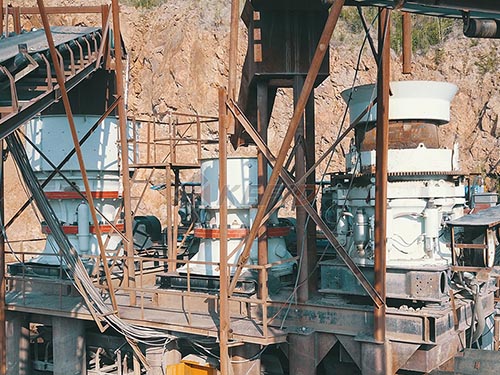
A stone crusher plant fabricator design service is a specialized engineering consultancy that goes beyond mere equipment supply. It encompasses the complete lifecycle of a crushing plant—from initial feasibility studies and site assessment through process flow design, structural engineering, electrical control integration, fabrication oversight, installation supervision, and commissioning support. Unlike generic equipment vendors who offer standardized modules (e.g., jaw crushers or cone crushers), a dedicated fabricator design service tailors every component to the client’s specific raw material characteristics (hardness, abrasiveness), desired product specifications (gradation curves), production capacity (tons per hour), site constraints (space availability) , environmental regulations (dust/noise control), and budget.
Key responsibilities include:
A well-designed stone crusher plant is a symphony of mechanical systems. The fabricator design service must address each subsystem with precision:
The primary crusher reduces run-of-mine material from 500–1500 mm down to 150–300 mm. Jaw crushers are common for hard rock; gyratory crushers suit high-capacity mines; impactors handle softer limestone but produce more fines. The designer must calculate throughput based on feed size distribution and required reduction ratio.
Cone crushers dominate secondary/tertiary stages due to their ability to produce cubical aggregates with low wear cost. Horizontal shaft impactors (HSI) are preferred for shaping when flakiness index matters (e.g., asphalt aggregates). Vertical shaft impactors (VSI) excel in producing manufactured sand from surplus oversize material.
Multi-deck vibrating screens separate crushed material into fractions: +40mm oversize returns to cone; 20–40mm base course; 10–20mm concrete aggregate; 5–10mm chip; minus-5mm sand/waste fines. The designer must balance screen area vs capacity while avoiding blinding or pegging.
Belt conveyors transport material between stages at speeds up to 3 m/s with proper idler spacing for belt sag control. Transfer points require chute geometry that minimizes spillage/dust generation without causing plugging under high moisture conditions.
Modern plants incorporate water spray nozzles at transfer points plus baghouse filters or wet scrubbers where required by local emission limits . Noise barriers around high-frequency screens may be necessary near residential zones .
No two quarries are identical . A professional fabricator design service conducts comprehensive laboratory tests :
For example , processing basalt requires heavy-duty cone liners due to silica content >50% , whereas processing limestone allows lighter impactor designs with lower power consumption .
The physical layout must accommodate :
Advanced finite element analysis ensures steel structures withstand seismic events if located in active zones .
Modern plants rely on centralized control rooms with SCADA systems :
The designer specifies motor horsepower ratings based on actual torque requirements rather than rule-of-thumb margins – reducing energy waste up to15% compared with oversized drives .
Engaging a specialized fabricator design service yields measurable ROI :
| Factor | Without Design Service | With Professional Design |
|---|---|---|
| Capital cost | Higher due over-engineered components | Optimized sizing reduces initial spend |
| Operating cost | Frequent downtime from mismatched equipment | Lower wear rates via correct chamber profiles |
| Product quality | Inconsistent gradation leads rejected loads | Consistent PSD meets spec first time |
| Energy consumption | Oversized motors waste electricity | Power factor corrected drives save kWh |
Case studies show properly designed plants achieve availability >92% versus <80% for ad-hoc installations .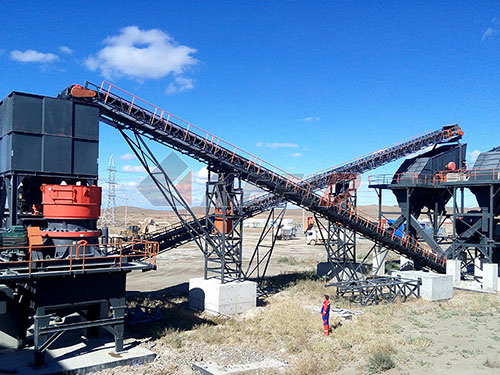
When evaluating potential partners , clients should assess :
1 ) Engineering credentials – Does team include licensed structural / mechanical engineers ?
2 ) Track record – References from similar materials processed ?
3 ) After-sales support – Spare parts availability within48 hours ?
4 ) Technology adoption – Use of BIM modeling / CFD simulation ?
Reputable firms like Metso Outotec , Sandvik , ThyssenKrupp offer integrated services but may charge premium rates ; regional specialists often provide better value for mid-size operations (<500 tph).
The industry is evolving toward :
These innovations require fabricators who invest continuously in R&D rather than copying legacy designs .
Stone crusher plant fabrication is not merely about bolting together off-the-shelf machines . It demands rigorous engineering analysis across multiple disciplines — geology , metallurgy , structural mechanics , process control — orchestrated by an experienced design service provider . Whether building greenfield quarries or upgrading existing operations , clients benefit from engaging specialists who prioritize long-term reliability over short-term savings . As aggregate specifications tighten globally under stricter quality standards , professional fabrication design becomes not optional but essential for competitive survival in this capital-intensive industry .
For any organization considering investment in crushing infrastructure — whether mining conglomerate or small contractor — commissioning a thorough feasibility study followed by detailed engineering from an accredited fabricator remains the single most impactful decision toward achieving profitable production targets while meeting environmental stewardship obligations .
If you have any questions about our products, please feel free to contact us. We take all inquiries and suggestions very seriously.