Navigating the Sourcing and Fabrication of a 250-300 TPH Stone Crushing Plant: A Comprehensive Guide
In the global aggregates and mining industries, the establishment of a mid-to-large-scale stone crushing plant with a capacity of 250 to 300 tonnes per hour (TPH) represents a significant capital investment and a critical operational asset. The processes of sourcing reliable equipment and selecting a competent fabricator are pivotal to the project’s long-term success, influencing everything from initial capital expenditure (CAPEX) and installation timelines to operational efficiency, maintenance costs, and final product quality. This detailed guide explores the multifaceted considerations, key components, and strategic approaches involved in sourcing and fabricating a plant of this caliber.
Understanding the Scope: What Does a 250-300 TPH Plant Entail?
A 250-300 TPH stationary or semi-mobile crushing plant is designed for high-volume production, typically serving large quarrying operations, major infrastructure projects (highways, railways, dams), or commercial aggregate suppliers feeding urban development. It is not a single machine but an integrated system where multiple components work in synergy.
The core process flow typically includes:
- Primary Crushing: A robust primary crusher (e.g., Jaw Crusher ~1,200x900mm or Gyratory Crusher) reduces blasted rock from large feed sizes (up to 1m) to ~200-250mm.
- Secondary Crushing: A cone crusher or impact crusher further reduces the material to ~40-70mm.
- Tertiary/Fine Crushing: Additional cone crushers or vertical shaft impactors (VSIs) shape the aggregate and produce finer fractions like manufactured sand.
- Screening: Multiple vibrating screens (inclined, horizontal) separate material into precise size fractions (e.g., 0-5mm sand, 5-10mm chips, 10-20mm aggregate).
- Material Handling: A network of belt conveyors with appropriate widths, speeds, and drives connects all stages. Feeders (apron, vibrating grizzly) regulate material flow.
- Supporting Infrastructure: This includes steel structures/platforms, electrical switchgear & motor control centers (MCCs), dust suppression/collection systems (baghouses), control rooms, and sometimes wash plants for cleaning aggregates.
Phase I: Strategic Sourcing – Components and Suppliers
Sourcing can be approached in several ways: purchasing individual components from different OEMs (Original Equipment Manufacturers), buying a complete package from a single OEM, or engaging an engineering procurement construction management (EPCM) firm.
1. Key Component Selection & OEM Considerations: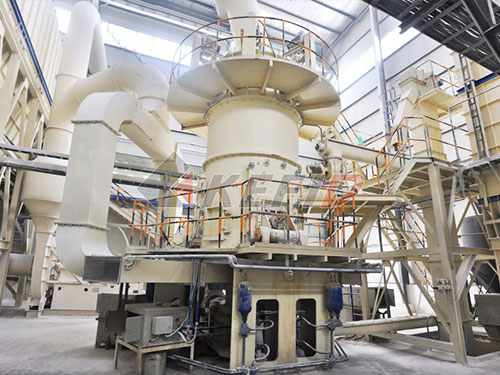
- Crushers: The heart of the plant. Leading global OEMs (like Metso Outotec, Sandvik, Terex MPS, ThyssenKrupp) offer high reliability, advanced automation compatibility (e.g., ASRi for cones), extensive R&D backing, and global service networks. Their equipment often commands a premium price but offers predictable performance and longevity. Alternatively, reputable second-tier or regional manufacturers can provide cost-effective solutions with acceptable performance for less demanding applications.
- Screens: Efficiency here defines product yield and quality. Key factors include screen deck area, vibration mechanism design (linear vs circular motion), and wear liner quality. Brands like Metso Outotec (“Bana” screens), Sandvik (“QA” series), and Deister are industry standards.
- Conveyors & Feeders: Often overlooked but critical for uptime. Specifications for belt width/ply/rating idler quality sealing systems drive power must match duty cycles Local fabrication of conveyor structures is common but critical components like pulleys gearboxes belts should be sourced from specialized manufacturers
- Electrical & Control Systems: The plant’s nervous system Modern plants require sophisticated PLC-based control systems with SCADA interfaces for remote monitoring motor management load sharing diagnostics Partnering with an electrical integrator experienced in heavy industry is crucial
2. Sourcing Strategy Models:
- Full Package from Single OEM: This “turnkey” approach minimizes interface risks for the buyer The OEM assumes responsibility for system design component compatibility performance guarantees (“PG”s on capacity product gradation power draw) Warranty support is streamlined However this model often carries the highest price tag offers less flexibility in component choice
- Multi-Vendor Sourcing (“Mix-and-Match”): This allows buyers to select best-in-class components potentially optimizing cost-performance ratios For example pairing premium crushers with competitively priced screens conveyors It requires strong in-house engineering expertise or an independent consultant to ensure compatibility integration The buyer bears more coordination risk interface liability
- Hybrid Model with Lead Fabricator/Integrator: A highly effective approach involves appointing an experienced non-OEM fabricator/integrator who sources major components per client specifications designs fabricates structural assemblies handles erection commissioning This entity acts as a single point of contact leveraging competitive pricing across component suppliers while providing customized design
Phase II: Selecting & Working with a Fabricator
Unless opting for a fully containerized OEM skid package structural fabrication is inevitable A fabricator transforms engineering drawings into physical structures platforms chutes hoppers walkways
Critical Evaluation Criteria for a Fabricator:
- Industry-Specific Experience: Prior successful projects of similar scale (>200 TPH) are non-negotiable Request detailed case studies client references visit completed plants Assess their familiarity with dynamic loads vibration isolation wear patterns specific to crushing plants
- Engineering Capabilities: Do they have in-house structural mechanical engineers Can they perform Finite Element Analysis FEA on critical load-bearing members Can they develop General Arrangement GA drawings from process flow sheets Or do they merely follow supplied drawings
- Workshop Capacity & Quality Control: The workshop must handle large-scale plate work heavy section welding Advanced cutting CNC plasma laser robotic welding ensure precision consistency Quality Management Systems QMS ISO certification weld procedure qualifications WPS destructive non-destructive testing NDT protocols are essential indicators
- Project Management & Erection Services: Can they manage the project schedule procurement logistics Provide skilled erection crews supervisors craneage planning On-site welding fitting alignment capabilities are vital Poor erection can ruin perfectly fabricated components
- Commercial Terms & Location: Proximity to site reduces transport costs Enormous pre-assembled modules may require specialized transport Evaluate their financial stability payment terms warranty on fabrication workmanship
Technical & Commercial Considerations
Design Philosophy:
The plant layout must balance compactness with maintainability Access platforms around crushers screens adequate clearance for liner changes conveyor head tail pullays are crucial Designs should facilitate future expansion e.g adding another crushing stage Modular designs allow sections pre-assembled tested off-site reducing commissioning time
Capital vs Operational Expenditure CAPEX vs OPEX Trade-offs:
Initial savings on cheaper components fabrication often lead to higher OPEX through increased downtime energy consumption shorter wear part life spare parts availability Higher quality fabricated structures using abrasion-resistant AR steel liners proper sealing reduce long-term maintenance costs Conducting Life Cycle Cost LCC analysis rather than just comparing initial quotes is imperative
Logistics & Site Constraints:
Transport limitations road regulations bridge weights dictate maximum module sizes Fabrication strategy must account for this Mountainous sites versus flat quarries influence layout design foundation requirements Material characteristics hardness abrasiveness silica content moisture dictate machine selection liner metallurgy
Automation & Future-Proofing:
Modern plants are increasingly automated Consider sourcing equipment compatible with IoT sensors cloud-based monitoring predictive maintenance algorithms Design should allow integration of such systems later even if not implemented initially
Risk Mitigation Strategies
1. Detailed FEED Study Front End Engineering Design Conduct comprehensive FEED before sourcing This defines precise specifications eliminating ambiguity during tendering
2. Clear Contractual Frameworks Define scope boundaries performance metrics liquidated damages LD’s for delay penalties PG’s responsibilities especially in multi-vendor scenarios
3. Factory Acceptance Testing FAT Insist on FAT for major equipment fabricated modules Witness testing at supplier workshop before shipment
4. Third-Party Inspection Engage independent inspection agencies Lloyds Bureau Veritas during critical fabrication stages material certification weld inspections
5. Phased Payments Link payment milestones clearly engineering completion procurement fabrication completion shipment erection commissioning performance test
Conclusion
Sourcing fabricating successful TPH stone crushing plant complex multidisciplinary endeavor It requires balancing technical specifications commercial realities long-term operational goals While allure lower initial cost tempting sustainable success built foundation robust engineering reputable partners comprehensive planning Choosing right fabricator integrator arguably important choosing crusher brand itself They translate paper plans into physical reliable asset By meticulously evaluating both component suppliers fabricators against stringent criteria outlined above investors operators can significantly de-risk project ensure their cornerstone infrastructure delivers required return investment over its entire operational lifespan Ultimately goal not just build plant that works day one but construct system delivers availability efficiency profitability decades come
